myBibleHistory

Ancient Mysteries & Interpretations

Moses in the Oldest Alphabet?

The world's earliest alphabetic inscriptions were carved by Semitic-speaking workers at Egypt's turquoise mines at Serabit el-Khadim in Sinai, and at Wadi el-Hol in Egypt, probably between about 1850 and 1500 BC. They are genuine and immensely important. Douglas Petrovich (2016) and, in 2025, Michael Bar-Ron proposed readings naming Moses and other biblical people. Specialists in early alphabets have rejected these readings.

Inscriptions: authentic and important · Biblical names: not accepted by specialists

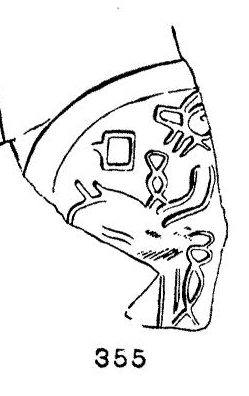
Proto-Sinaitic inscription from Serabit el-Khadim
Modern copy or drawing of an ancient originalA drawing of an inscription in the earliest known alphabet, from the Sinai turquoise mines, as first published by Alan Gardiner (1916).Image credit

1 What Scripture says

Exodus says Moses wrote (17:14; 24:4; 34:27). Bezalel's helper was "Aholiab, the son of Ahisamach" (31:6). Joseph's Egyptian wife was Asenath (Genesis 41:45).

2 What evidence we might expect

  • Clear, agreed readings of the letters and words.
  • Names in their expected forms, in a context that identifies them with the biblical figures.
  • A language identified as Hebrew rather than the broader Canaanite of the period.

3 What ancient sources survive

Proto-Sinaitic inscriptions

Language
Early West Semitic (Canaanite) in the earliest alphabet
Composed
c. 1850–1500 BC (debated)
Oldest surviving copy
About 30–40 inscriptions on statues and rock faces at Serabit el-Khadim; two at Wadi el-Hol
Status
Inscriptions, not literature

Source: A. H. Gardiner, "The Egyptian Origin of the Semitic Alphabet," JEA 3 (1916); G. J. Hamilton, The Origins of the West Semitic Alphabet in Egyptian Scripts (2006)

4 What discoveries exist

Flinders Petrie found the Serabit inscriptions in 1905. In 1916 Alan Gardiner showed that the signs were pictures used for the first sound of their Semitic names (an ox head, aleph, for "a"; a house, bet, for "b") and read the repeated words lb'lt, "for Ba'alat," the Semitic name of the goddess Hathor. This is the ancestor of the Phoenician, Hebrew, Greek and Latin alphabets.

Proto-Sinaitic inscription from Serabit el-Khadim
Modern copy or drawing of an ancient originalA drawing of an inscription in the earliest known alphabet, from the Sinai turquoise mines, as first published by Alan Gardiner (1916).Image credit

The claims

  • Douglas Petrovich (2016) argued that the language is already Hebrew and read names including Ahisamach, Asenath and Moses in several inscriptions.
  • In 2025 Michael Bar-Ron, an independent researcher, proposed reading phrases such as "this is from Moses" in Serabit inscriptions.

5 How interpretations compare

Alternative explanation

Biblical names in the earliest alphabet

The inscriptions were written by Hebrews in Egypt and Sinai and mention people known from Exodus.

Assessment: Specialists answer that many letters are uncertain, that the readings depend on choosing among several possible values, and that the language cannot be distinguished as Hebrew at this early stage. Christopher Rollston and others reviewed the claims critically.

Source: D. Petrovich, The World's Oldest Alphabet: Hebrew as the Language of the Proto-Consonantal Script (2016)

Scholarly reconstruction

Canaanite workers' inscriptions

Short dedications and names by Semitic-speaking miners and soldiers in Egyptian service, mostly to Ba'alat.

Source: G. J. Hamilton, The Origins of the West Semitic Alphabet in Egyptian Scripts (2006); C. A. Rollston, reviews of Petrovich (2016) and of later claims (2025), Rollston Epigraphy blog

6 The strongest supported reconstruction

The inscriptions prove that Semites in Egypt and Sinai invented alphabetic writing long before Moses' traditional dates, which is significant background for Exodus' statements that Moses wrote. The claims that they name Moses and other biblical figures have not been accepted by experts and are best treated as unverified.

7 What remains possible or unknown

  • The exact date of the earliest inscriptions.
  • The meaning of many of the short texts.

What the evidence shows

  • Independently documentedThe earliest alphabetic inscriptions were made by Semitic speakers at Serabit el-Khadim and Wadi el-Hol.

    Source: A. H. Gardiner, "The Egyptian Origin of the Semitic Alphabet," JEA 3 (1916); G. J. Hamilton, The Origins of the West Semitic Alphabet in Egyptian Scripts (2006)

  • DisputedThe inscriptions are written in Hebrew.

    Source: D. Petrovich, The World's Oldest Alphabet: Hebrew as the Language of the Proto-Consonantal Script (2016); C. A. Rollston, reviews of Petrovich (2016) and of later claims (2025), Rollston Epigraphy blog

  • Not independently verifiedThe inscriptions name Moses.

Where this connects