Persepolis Fortification tablets
- Language
- Elamite (mostly)
- Composed
- c. 509–493 BC
- Oldest surviving copy
- Tens of thousands of tablets (Oriental Institute, Chicago; Tehran)
- Status
- Not scripture
Name an official Marduka among many; no Esther or Haman.
Ancient Mysteries & Interpretations
The book's Persian setting is accurate in many details. No ancient source outside the Bible names Esther, Vashti, Haman or the decree; Herodotus names Xerxes' queen as Amestris and says queens came from noble Persian families. A Persepolis official named Marduka is a possible but unproven match for Mordecai. The book's genre is debated: history, historical novella, or court tale.
Setting: documented · Persons and events: not attested outside the Bible
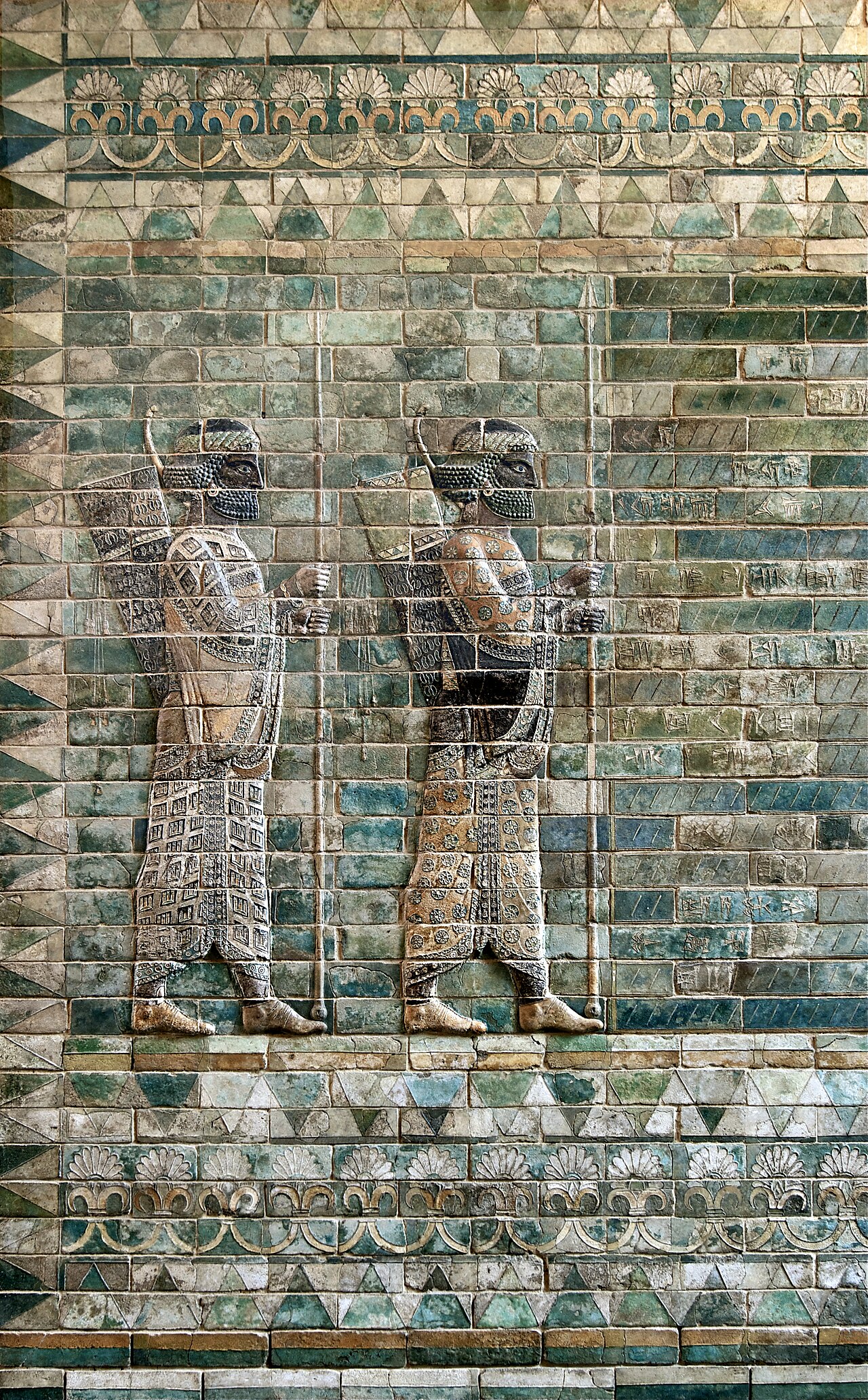
"Are they not written in the book of the chronicles of the kings of Media and Persia?" (Esther 10:2).
Name an official Marduka among many; no Esther or Haman.
Susa's palace and gate; Xerxes' inscriptions; Persepolis tablets; Herodotus' account of Xerxes and Amestris.
Traditional reading
The events happened; Persian records lost; Esther may have been a junior queen.
Scholarly reconstruction
A real memory of danger and deliverance told as a crafted story.
Scholarly reconstruction
A diaspora story like Daniel 1–6 and Ahiqar, not intended as chronicle.
The author knew Persian court life; whether a historical episode underlies the story is unknown.
What the evidence shows