Babylonian Talmud, Bava Batra 14b–16b
- Language
- Hebrew and Aramaic
- Composed
- c. AD 500 (earlier traditions)
- Oldest surviving copy
- Medieval manuscripts
- Status
- Rabbinic
Moses wrote Job; other sages date Job variously; one calls him a parable.
Ancient Mysteries & Interpretations
Job names no author and no date. Its story is set in an undated, patriarchal-feeling world. Jewish tradition attributed it to Moses; Ezekiel (early 6th century BC) knew a proverbial righteous Job. Many scholars date the poem to the 6th–4th centuries BC on grounds of language and theme; others argue for earlier stages. Qumran fragments show Hebrew Job was being copied by the 2nd–1st century BC.
Author: unknown · Composition: debated (often 6th–4th century BC) · Earliest copies: Qumran
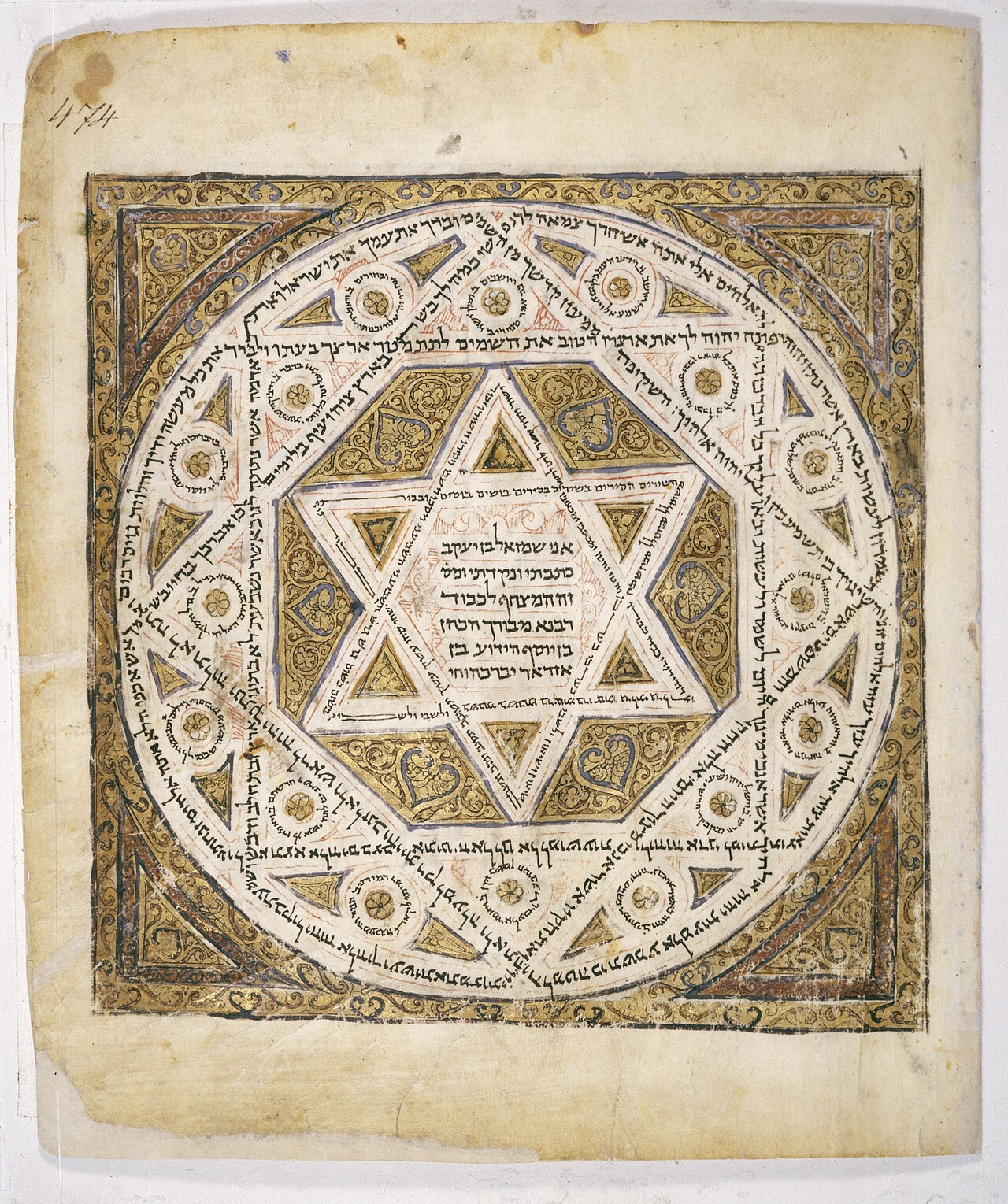
"Though these three men, Noah, Daniel, and Job, were in it, they should deliver but their own souls by their righteousness" (Ezekiel 14:14).
Moses wrote Job; other sages date Job variously; one calls him a parable.
Qumran Hebrew fragments (2Q15, 4Q99–101; 4Q101 in paleo-Hebrew script) and Aramaic translations (4Q157, 11Q10).
Traditional reading
Written by Moses or in the patriarchal age, as the setting suggests.
Scholarly reconstruction
The poem reflects 6th–4th century language and questions (ha-satan as in Zechariah; Aramaisms).
Scholarly reconstruction
An older prose tale, a poetic dialogue, later additions (Job 28, Elihu).
A righteous-Job tradition existed by Ezekiel's time; the present book's date is unknown, with a 1st-millennium composition widely held.
What the evidence shows