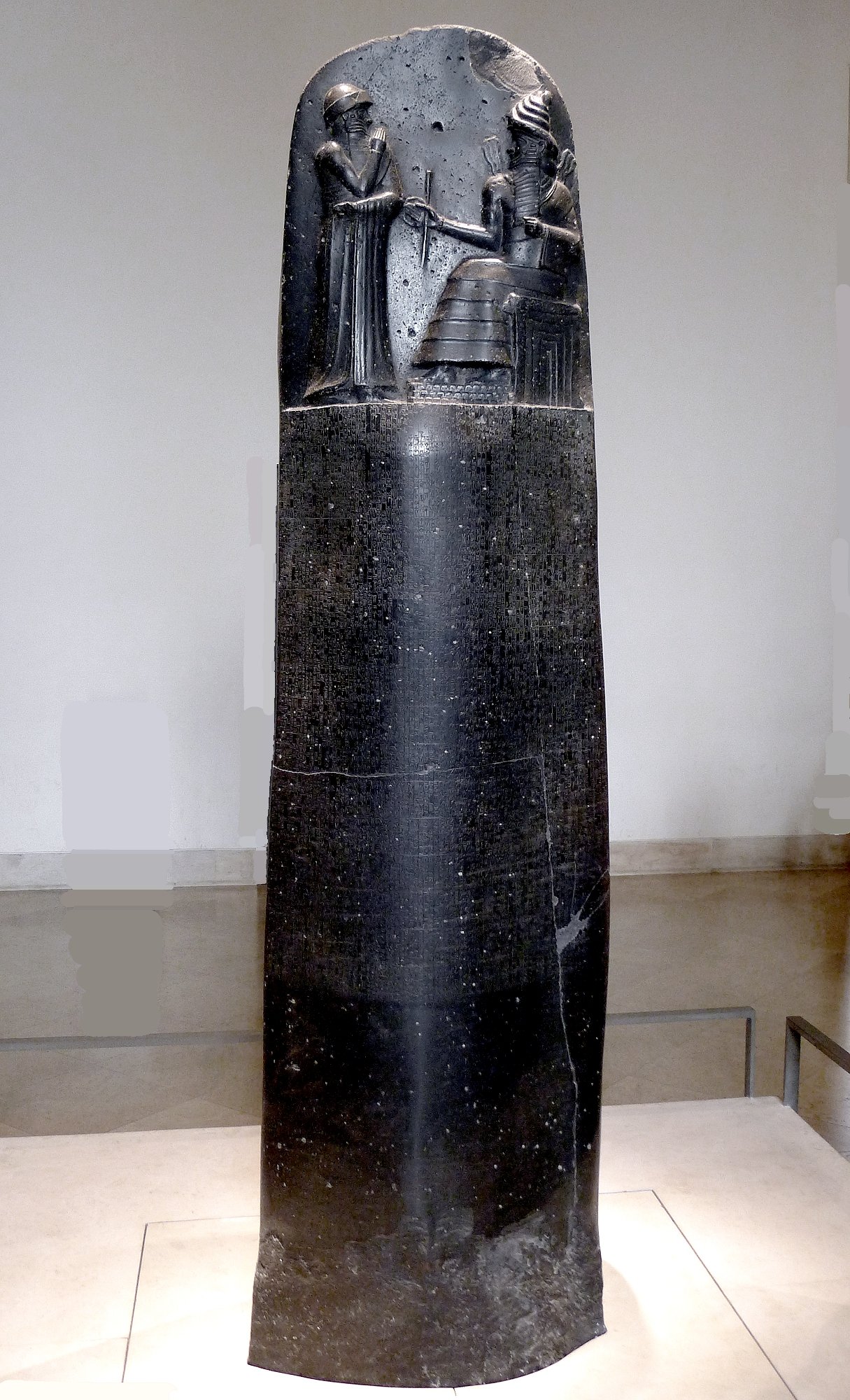
When a priestess-wife who may not bear children gives her husband a slave woman and she bears children, the husband may not take a second wife. If the slave woman then claims equality with her mistress, the mistress may mark her as a slave again but may not sell her (§146).
Similar
The wife provides the servant
Tension when the servant mother claims higher status
Limits on how the wife may treat her
Different
Concerns a specific class of priestess
Purely legal; no divine encounter with the servant
Old Assyrian merchants · Anatolia (Kanesh)
Marriage contract from Kültepe
Shared literary world
Composed
19th century BC
Earliest surviving copy
The original clay contract from the merchants' quarter at Kanesh
A marriage contract states that if the wife has not given her husband children within two years, she will buy a slave woman for him, and after the slave bears a child the wife may sell the slave.
Similar
Childlessness after a set time leads the wife to provide a slave woman
Different
The wife may later sell the slave, unlike Hammurabi's rule and unlike Genesis
Hurrian city of Nuzi · Northern Mesopotamia
Marriage clause in a Nuzi tablet
Shared literary world
Composed
15th century BC
Earliest surviving copy
Original clay tablet from Nuzi
A marriage contract requires that if the wife bears no children, she must obtain a slave woman for her husband, and she may not send away the children born to her.
Similar
The wife's obligation to provide a servant mother
Protection for the servant's children
Different
Once thought to date the patriarchs to the 15th century; such clauses are now known from several periods
Back to the story
God's Covenant with Abraham →God binds Himself to Abram by covenant. Sarai gives Hagar to Abram, and Hagar meets "the God who sees." Abram becomes Abraham, and circumcision becomes the covenant sign.
Jacob's Ladder and His Family →Fleeing Esau, Jacob dreams of a stairway to heaven at Bethel. In Haran the deceiver is deceived: he marries Leah and Rachel, and twelve children are born amid rivalry and prayer.