myBibleHistory

Ancient Mysteries & Interpretations

Adapa, Ninti, and Lost Immortality

Adapa, a wise man, refuses heaven's bread and water of life and so remains mortal. In the Sumerian myth of Enki and Ninhursag, a goddess named Ninti heals Enki's rib, a pun that may echo Eve, made from a rib and named "mother of all living." Both comparisons are real; both need care.

Ancient texts: documented · Connection with Genesis: debated

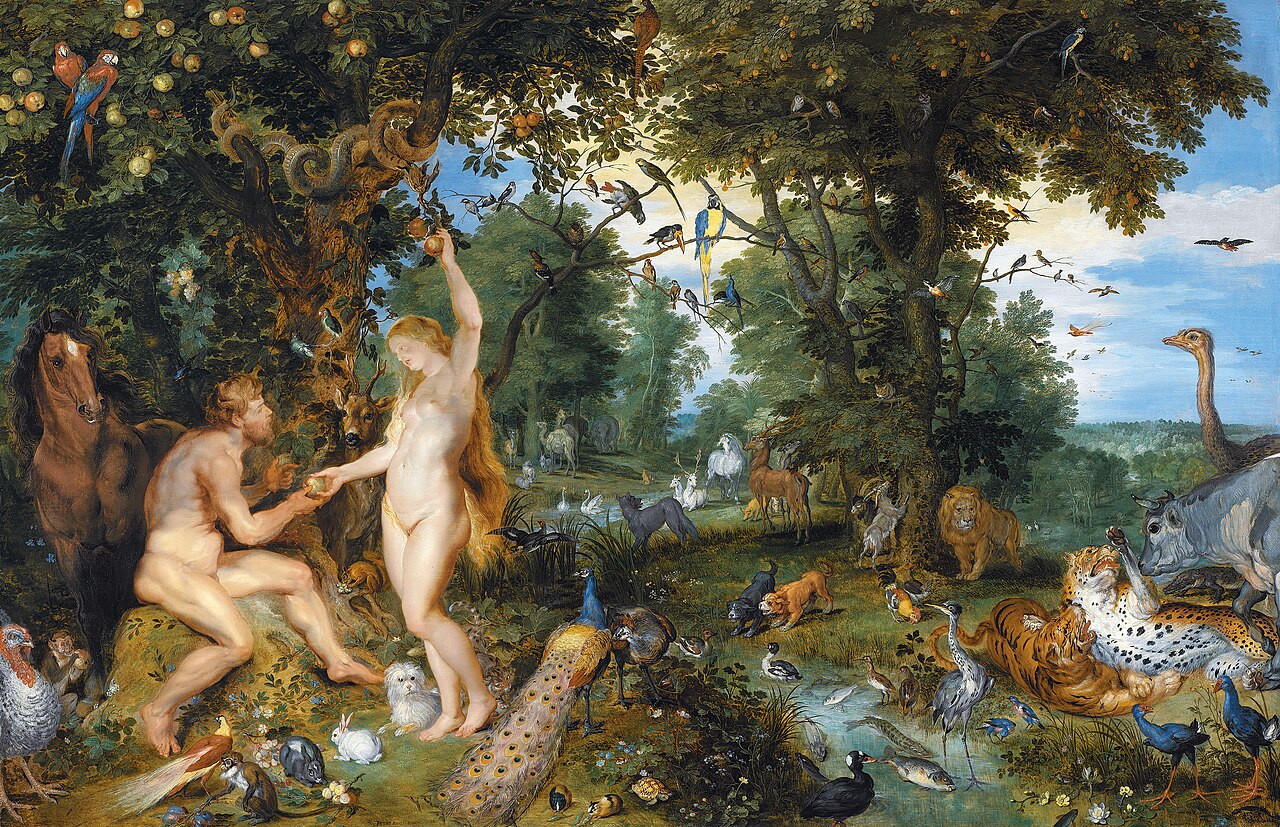
Painting of the Garden of Eden
Later artwork, not historical evidenceJan Brueghel the Elder and Peter Paul Rubens, The Garden of Eden with the Fall of Man (c. 1615).Image credit

1 What Scripture says

God takes one of the man's ribs (tsela') and makes a woman (2:21–22). After the fall, Adam names her Eve (Hawwah), "because she was the mother of all living" (3:20). The humans are sent out "lest he put forth his hand, and take also of the tree of life, and eat, and live for ever" (3:22).

2 What evidence we might expect

  • Mesopotamian stories about immortality offered and lost.
  • Any linguistic link between "rib" and "life."

3 What ancient sources survive

The Myth of Adapa

Language
Akkadian
Composed
2nd millennium BC
Oldest surviving copy
A tablet found at Amarna, Egypt (14th century BC), plus 7th-century BC fragments from Ashurbanipal's library

Adapa, a sage of Eridu, breaks the wing of the South Wind and is summoned to heaven. His god Ea warns him not to eat the "bread of death"; the sky god Anu instead offers the bread and water of life, which Adapa refuses.

Source: S. Izre'el, Adapa and the South Wind (Eisenbrauns, 2001)

Enki and Ninhursag

Language
Sumerian
Composed
Early 2nd millennium BC
Oldest surviving copy
Old Babylonian tablets from Nippur (c. 1800 BC)

In the pure land of Dilmun, Enki eats eight forbidden plants and falls ill in eight body parts; Ninhursag creates eight healing deities. The one for his rib is Ninti.

Source: ETCSL (Oxford): Enki and Ninḫursaĝa, translation ↗

4 What discoveries exist

Adapa and Adam

Similar
A man of wisdom stands before the divine; food that gives life is at stake; he ends up mortal.
Different
Adam eats what is forbidden and loses access to life; Adapa obeys his god's advice and refuses life when it is offered. Adapa is a sage of one city, not the first human.
Names
Adam (Hebrew "human," from adamah, "ground") and Adapa sound similar, but a resemblance of names is not enough to identify them.

The lady of the rib

In Sumerian, ti means both "rib" and "to live." Nin-ti can be "lady of the rib" or "lady who makes live." Samuel Noah Kramer proposed in 1945 that this pun lies behind Eve, made from a rib and called the mother of all living. The idea is elegant, but the pun does not work in Hebrew (tsela' is "rib," hay is "living"), the plots differ completely, and most scholars now treat it as an intriguing possibility rather than a demonstrated link. Scholars have also largely abandoned identifying Dilmun (probably Bahrain) with Eden.

5 How interpretations compare

Scholarly reconstruction

Shared questions, different answers

Both Mesopotamia and Genesis asked why humans have wisdom but not immortality. Genesis answers with a moral story of trust broken; Adapa with a trick of the gods.

Source: S. Izre'el, Adapa and the South Wind (Eisenbrauns, 2001)

Scholarly reconstruction

Literary borrowing

Kramer and others proposed that Genesis reworked Sumerian motifs such as Ninti.

Source: S. N. Kramer, Enki and Ninhursag: A Sumerian "Paradise" Myth (1945)

Traditional reading

Distant memory

Some believers see in such stories distorted memories of the true events recorded in Genesis.

6 The strongest supported reconstruction

These stories show that Genesis 2–3 addresses questions the ancient world was already asking: life, death, wisdom and divine command. The specific links (Adapa = Adam; Ninti = Eve) are possible but unproven.

7 What remains possible or unknown

  • Whether Israelite writers knew these specific stories.

8 How this material came to us

The Amarna Adapa tablet shows the story was copied as a training text by Egyptian scribes learning Akkadian in the 14th century BC: Mesopotamian literature traveled widely.

What the evidence shows

  • Independently documentedIn the Myth of Adapa, a wise man refuses the bread and water of life.

    Source: S. Izre'el, Adapa and the South Wind (Eisenbrauns, 2001)

  • Independently documentedNinti in Enki and Ninhursag involves a Sumerian pun on "rib" and "life."

    Source: ETCSL (Oxford): Enki and Ninḫursaĝa, translation ↗

  • DisputedGenesis' Eve was derived from Ninti.

    Source: S. N. Kramer, Enki and Ninhursag: A Sumerian "Paradise" Myth (1945)

Where this connects