myBibleHistory

Ancient Mysteries & Interpretations

Berlin Pedestal 21687: An Earlier Mention of Israel?

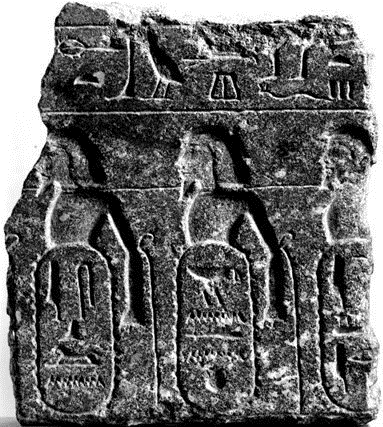
A broken granite statue pedestal in Berlin's Egyptian Museum carries three name rings of conquered enemies. Two read Ashkelon and Canaan. In 2010 Manfred Görg, Peter van der Veen and Christoffer Theis proposed that the third reads "Israel," which would place Israel in Canaan by the 14th century BC or earlier. The reading and the date are both disputed.

Pedestal: authentic · Reading "Israel": disputed · Date: debated

The Berlin statue pedestal
Authentic ancient artifactStatue pedestal ÄM 21687, Egyptian Museum Berlin, with three name rings.Image credit

1 What Scripture says

If Israel left Egypt and entered Canaan in the 15th century BC (the early date), an Egyptian reference to Israel in Canaan before the 13th century would be expected sooner or later. The Merneptah Stele (c. 1208 BC) is the earliest securely read mention.

2 What evidence we might expect

  • A secure reading of the name as Israel.
  • A secure date for the pedestal.

3 What ancient sources survive

Berlin Egyptian Museum ÄM 21687

Language
Egyptian hieroglyphs
Composed
Debated: reign of Amenhotep II or Amenhotep III (15th–14th century BC), possibly copying an earlier list
Oldest surviving copy
The pedestal itself (bought in 1913)
Status
Royal inscription

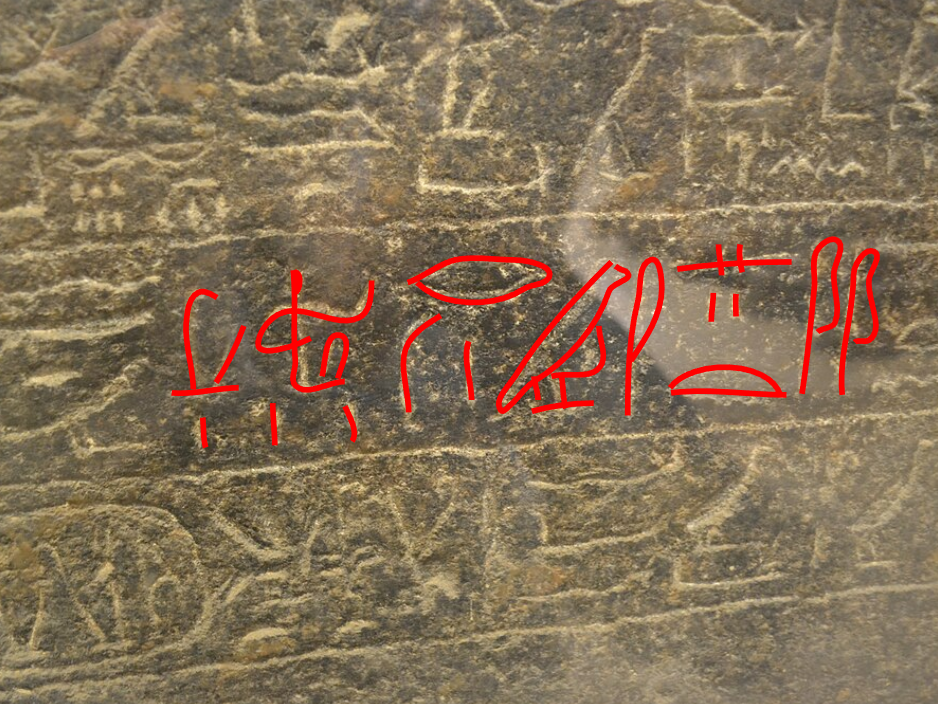
Three captive figures with name rings: Ashkelon, Canaan, and a third read as i-a-sh-r-il.
4 What discoveries exist

The third name is spelled with signs usually read i-a-sh-r-il. The Merneptah Stele spells Israel y-s-r-i-ar. Görg and his colleagues argued that the difference in sibilant (sh for s) is within the range of Egyptian renderings of foreign names, and that the pedestal's style and the order of the names fit the 18th Dynasty.

The Merneptah Stele
Authentic ancient artifactThe Merneptah Stele (c. 1208 BC), the earliest mention of Israel outside the Bible.Image credit

5 How interpretations compare

Scholarly reconstruction

An early mention of Israel

The name is Israel, and the list shows Israel as a people in Canaan by about 1400 BC, possibly earlier. This would fit the early Exodus date or an early presence of proto-Israelites.

Source: M. Görg, P. van der Veen and C. Theis, "Israel in Canaan (Long) Before Pharaoh Merenptah? A Fresh Look at Berlin Statue Pedestal Relief 21687," Journal of Ancient Egyptian Interconnections 2:4 (2010)

Scholarly reconstruction

Another name

Other Egyptologists read the name differently, or think it refers to a different place or group, because of the spelling and the damaged signs.

Source: M. G. Hasel, "Merenptah's Reference to Israel," and responses to the Berlin pedestal reading; P. van der Veen and C. Theis, follow-up studies (2012)

6 The strongest supported reconstruction

An intriguing proposal by respected scholars, not yet a consensus. If confirmed, it would be the earliest known reference to Israel. The Merneptah Stele remains the earliest secure one.

7 What remains possible or unknown

  • The correct reading of the third ring.
  • The exact date of the pedestal and of the list it copies.

What the evidence shows

  • Independently documentedThe Merneptah Stele mentions Israel in Canaan, c. 1208 BC.

    Source: The Merneptah Stele (Cairo JE 31408), c. 1208 BC

  • Independently documentedBerlin pedestal 21687 lists Ashkelon and Canaan.

    Source: M. Görg, P. van der Veen and C. Theis, "Israel in Canaan (Long) Before Pharaoh Merenptah? A Fresh Look at Berlin Statue Pedestal Relief 21687," Journal of Ancient Egyptian Interconnections 2:4 (2010)

  • DisputedIts third name ring reads "Israel."

    Source: M. Görg, P. van der Veen and C. Theis, "Israel in Canaan (Long) Before Pharaoh Merenptah? A Fresh Look at Berlin Statue Pedestal Relief 21687," Journal of Ancient Egyptian Interconnections 2:4 (2010); M. G. Hasel, "Merenptah's Reference to Israel," and responses to the Berlin pedestal reading; P. van der Veen and C. Theis, follow-up studies (2012)

Where this connects