Babylonian Talmud, Bava Batra 109b
- Language
- Aramaic and Hebrew
- Composed
- c. AD 500
- Oldest surviving copy
- Medieval manuscripts
- Status
- Rabbinic tradition
Explains the nun as a sign that Jonathan acted like Manasseh.
Ancient Mysteries & Interpretations
Judges 18:30 names the priest of the Danite image "Jonathan son of Gershom son of Manasseh." In the Masoretic manuscripts the nun of Manasseh is written small and above the line. Without it the name is Moses, whose son was Gershom. The Vulgate reads Moses. Rabbinic tradition says the letter was added to protect Moses' honor.
Suspended nun: documented · Earlier reading Moses: supported · Scribal motive: plausible
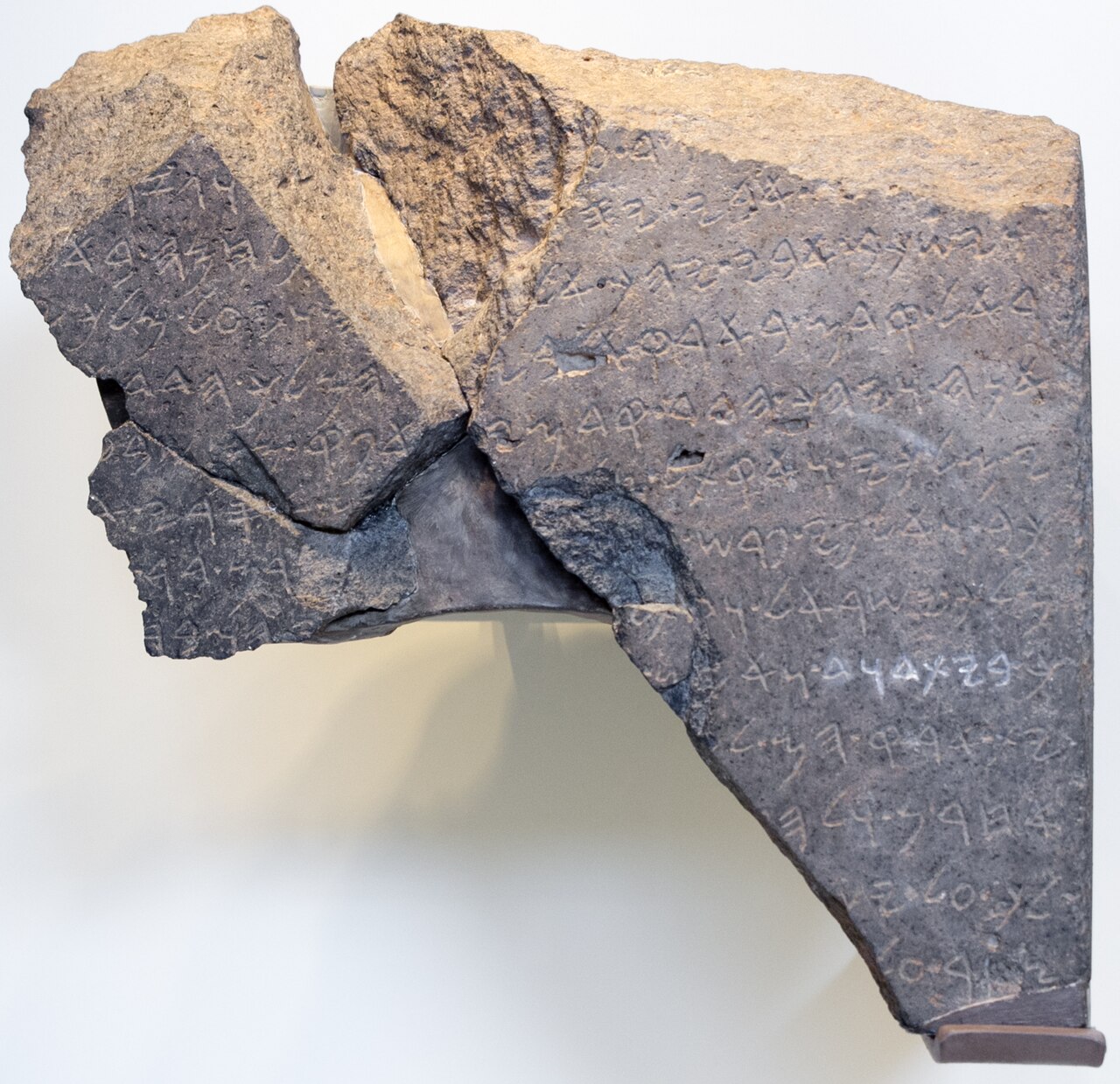
"And the children of Dan set up the graven image: and Jonathan, the son of Gershom, the son of Manasseh, he and his sons were priests to the tribe of Dan until the day of the captivity of the land" (18:30).
Explains the nun as a sign that Jonathan acted like Manasseh.
The suspended nun is one of four suspended letters in the Masoretic Text (with Psalm 80:14 and Job 38:13, 15). Gershom is Moses' son in Exodus 2:22 and 1 Chronicles 23:15. Many modern translations (NRSV, ESV, NIV) read Moses.
Scholarly reconstruction
The original read Moses; scribes inserted a nun but marked it.
Traditional reading
Rabbinic: he was Moses' grandson but acted like Manasseh.
Source: Sefaria, Judges 18:30 (Hebrew with the suspended nun) ↗
Traditional reading
"Son" can mean descendant; Jonathan lived later than Moses' grandson.
The earlier reading was very probably Moses. The marked nun is a scribal device that both changed the name and preserved a record of the change.
Hebrew: Manasseh with suspended nun. Library's Greek: Manasseh. Vulgate and Douay-Rheims: Moses. KJV: Manasseh. See the passage page.
What the evidence shows
Source: Sefaria, Judges 18:30 (Hebrew with the suspended nun) ↗