Elephantine petition (TAD A4.7–8)
- Language
- Aramaic
- Composed
- 407 BC
- Oldest surviving copy
- Original papyri
- Status
- Not scripture
Addresses "Delaiah and Shelemiah, the sons of Sanballat governor of Samaria" as well as Bagohi of Judah.
Ancient Mysteries & Interpretations
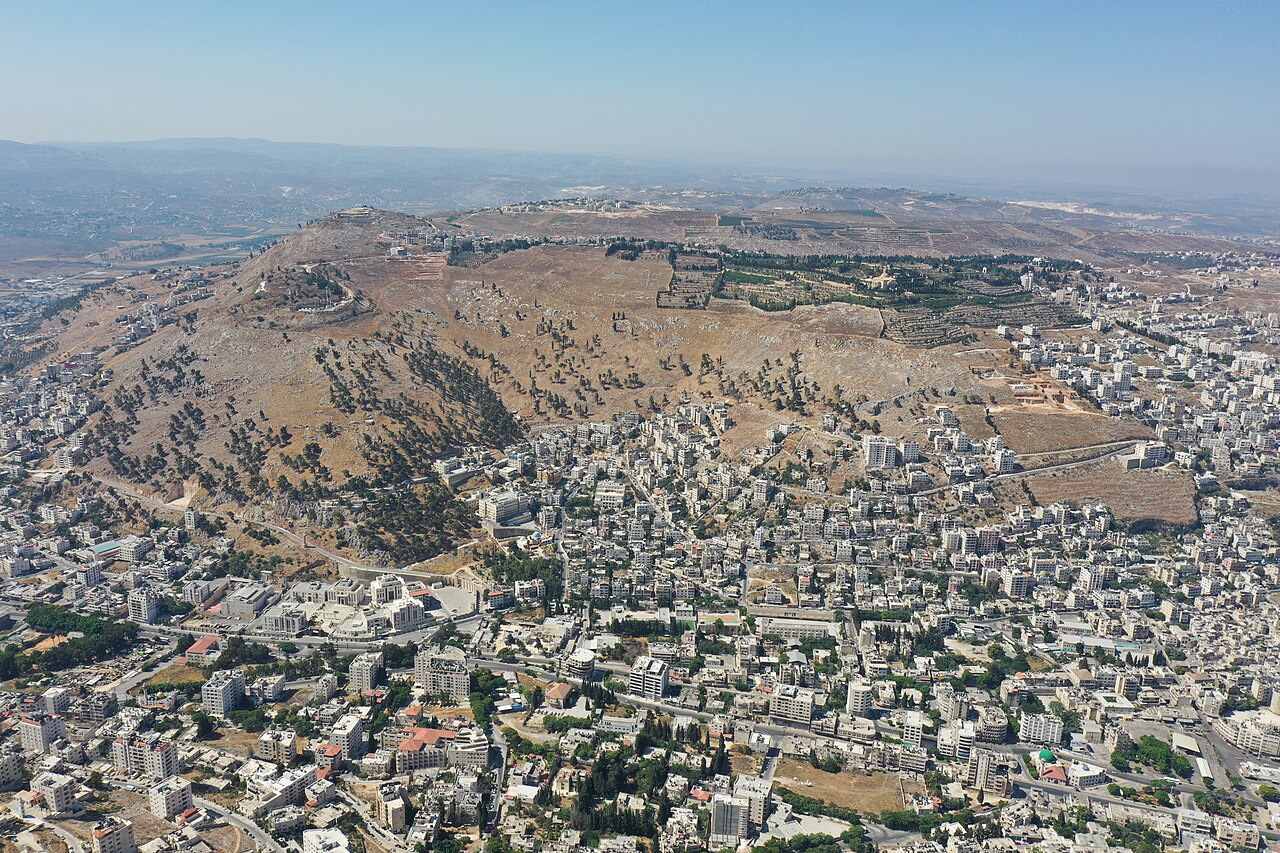
Ezra describes neighbors who claimed to have worshiped Israel's God since Esarhaddon resettled them, and "the people of the land" who obstructed the work. Outside sources show Samaria as a Persian province with Yahwistic names among its leaders, Sanballat as its governor, and a sanctuary on Mount Gerizim from perhaps the 5th century BC. The later Samaritan community grew out of this world, but over a long time.
Samaria as a province: documented · Gerizim sanctuary from Persian period: disputed · Equation with later Samaritans: simplification
Ezra 4:1–5, 9–10Nehemiah 2:10, 19; 13:28
"Let us build with you: for we seek your God, as ye do; and we do sacrifice unto him since the days of Esarhaddon king of Assur, which brought us up hither" (Ezra 4:2).
Addresses "Delaiah and Shelemiah, the sons of Sanballat governor of Samaria" as well as Bagohi of Judah.
Legal documents of Samaria's elite, mentioning a later Sanballat.
Excavations on Mount Gerizim (Y. Magen) uncovered a sacred precinct; Magen dated its first phase to the 5th century BC, others to later. Thousands of inscriptions from the Hellenistic phase use the divine name. Samarian coins of the 4th century BC show Persian and Greek motifs and Yahwistic names.
Traditional reading
The adversaries were the Samaritans, whose worship was mixed (2 Kings 17).
Assessment: Simplifies: the Samaritan community as a distinct religious body took shape later.
Scholarly reconstruction
Samaria's leaders and Yahwistic population saw Jerusalem's rebuilding as a political challenge and wished to share in it.
Scholarly reconstruction
"People of the land" may include Judeans who never went into exile.
Ezra's adversaries included Samaria's Yahwistic elite and other local groups; the conflict is one root of the later Jewish–Samaritan division.
What the evidence shows
Source: B. Porten and A. Yardeni, Textbook of Aramaic Documents from Ancient Egypt, vol. 1 (1986): TAD A4.1 (Passover letter), A4.7–A4.9 (temple petition and memorandum)