Leviticus 17:4
A longer law in three ancient witnesses
In the standard Hebrew text, Leviticus 17:4 is a single sentence. The Samaritan Pentateuch, the Greek Septuagint, and a Dead Sea Scroll of Leviticus contain a longer version that explains what the sacrifice was meant to be and repeats the prohibition. Is it an original phrase lost by a copyist's eye-skip, or an explanatory addition?
Manuscript variant: witnesses differ in wording
The family tree
Each row is a language or text tradition. Witnesses in the same row may share ancestry, revise one another, or have an uncertain relationship; the line under each box says which. A solid arrow appears only where direct copying or a documented revised edition is established. Order by date never implies copying. Scroll sideways on a phone.
✓ contains it · ✕ does not · ❝ quotes part of it · ⓘ reports on manuscripts · ▢ pages lost · – no copy survives
- Same line, through lost copies
- Translation
Longer or shorter?
- Longer text
- Samaritan Pentateuch, Septuagint, 4QLev-d.
- Shorter text
- Masoretic Text, Vulgate, KJV and most English Bibles.
- The likely cause
- The repeated phrase "to the door of the tent of meeting he does not bring it" invites an eye-skip (homoioteleuton), which would make the longer text original. Others see the plus as a scribal clarification harmonizing with 17:3 and 17:5.
Every witness, in order
Unknown (debated)
Original Leviticus
No original survives.
Translated c. 250 BC
Septuagint
How the site knows this: Known here only through a translation.
and does not bring it to the door of the tent of testimony to offer it as a whole burnt offering or a peace offering to the Lord, acceptable for a sweet savour, and whoever slaughters it outside and does not bring it to the door of the tent of testimony to offer it as a gift to the Lord…
An English rendering of Giguet's French translation of the Septuagint in our library, not the Greek text itself; the Greek wording should be checked in a critical edition (Göttingen): "pour l'offrir en holocauste ou en hostie pacifique, hostie acceptable et de suave odeur pour le Seigneur, mais qui l'immolera dehors…"
1st century BC
4QLeviticus-d (4Q26)
How the site knows this: Reported in scholarship; not checked by the site.
A fragmentary Dead Sea Scroll of Leviticus. Its editor (Tov, DJD XII) and Tov's handbook report that it supports the longer text here, but the scroll survives only in fragments and part of the plus is reconstructed. Status: reading_not_transcribed. We give no 4Q26 wording until the physically surviving letters have been checked against the edition.
Source: E. Tov, Textual Criticism of the Hebrew Bible, 3rd ed. (Fortress, 2012); E. Tov, "4QLev-d," in Qumran Cave 4.VII: Genesis to Numbers, DJD XII (1994)
c. AD 400
Jerome's Vulgate
How the site knows this: Read in the site's library text: Clementine Vulgate (1592 edition).
et non obtulerit ad ostium tabernaculi oblationem Domino, sanguinis reus erit
and has not offered at the door of the tabernacle an offering to the Lord, he shall be guilty of blood
The shorter text, translated freely.
AD 1008
Masoretic Text (Leningrad Codex)
How the site knows this: Read in the site's library text: Westminster Leningrad Codex, a digital transcription of the Leningrad Codex.
וְאֶל־פֶּתַח אֹהֶל מוֹעֵד לֹא הֱבִיאוֹ לְהַקְרִיב קָרְבָּן לַיהוָה
and does not bring it to the door of the tent of meeting to offer an offering to the LORD
The shorter text. Note that the phrase "to the door of the tent of meeting he does not bring it" occurs twice in the longer text; a scribe's eye could easily skip from the first to the second.
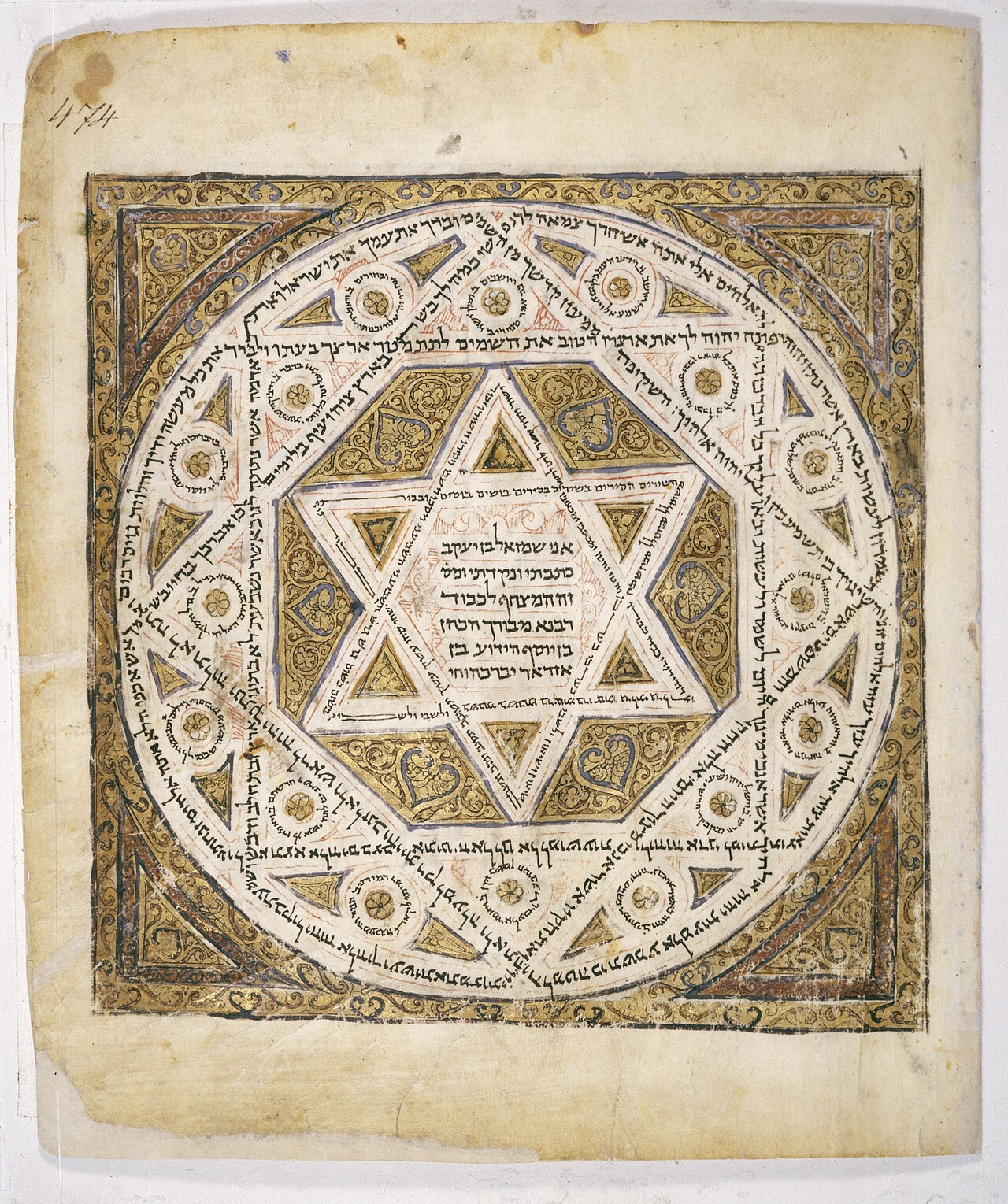
Historical manuscriptImage credit Pictured: a decorated page from the codex, not Leviticus 17.
Ancient tradition; medieval copies
Samaritan Pentateuch
How the site knows this: Read in the site's library text: Samaritan Pentateuch, Kennicott's 1780 text digitized by A. Sigalov.
ואל פתח אהל מועד לא הביאו לעשות אתו עלה או שלמים ליהוה לרצונכם לריח ניחח וישחטהו בחוץ ואל פתח אהל מועד לא הביאו להקריבו קרבן ליהוה
and does not bring it to the door of the tent of meeting to make it a burnt offering or peace offering to the LORD for your acceptance, a sweet savour, and slaughters it outside, and does not bring it to the door of the tent of meeting to offer it as an offering to the LORD
Checked against the Samaritan Pentateuch in our library.
1611
King James Bible
How the site knows this: Read in the site's library text: King James Version (1769 text).
And bringeth it not unto the door of the tabernacle of the congregation, to offer an offering unto the LORD before the tabernacle of the LORD
Follows the Masoretic Text.
What changed, and why
Either way, the meaning of the law is the same: all slaughter of sacrificial animals belongs at the sanctuary. The variant shows that the Dead Sea Scrolls sometimes agree with the Samaritan and Greek against the medieval Hebrew, and that ancient copies preserve real, explainable differences.
What the evidence shows
- The Samaritan Pentateuch and the Septuagint have a longer text of Leviticus 17:4.
- 4QLev-d supports the longer text. Reported by its editor; the surviving letters are fragmentary and partly restored.
Source: E. Tov, Textual Criticism of the Hebrew Bible, 3rd ed. (Fortress, 2012)
- The longer text is original and was lost by eye-skip.
Sources
- E. Tov, Textual Criticism of the Hebrew Bible, 3rd ed. (Fortress, 2012)
- S. Metso, "Evidence from the Qumran Scrolls for the Scribal Transmission of Leviticus" (2005)
Related lessons
- Blood Is Life →Every animal slaughtered must be brought to the tabernacle as an offering, and no one may eat blood, "for the life of the flesh is in the blood: and I have given it to you upon the altar to make an atonement for your souls." This chapter begins the Holiness Code, and it contains one of the most interesting textual differences in Leviticus.
- How Leviticus Came to Us →Who wrote Leviticus, how scholars explain its priestly and holiness layers, the Dead Sea Scrolls in ancient and Greek scripts, a burned scroll read by computer, the variants and translation choices that matter, and how Leviticus became Scripture for every Jewish and Christian tradition.