myBibleHistory

Ancient Mysteries & Interpretations

4Q117: Ezra among the Dead Sea Scrolls

4Q117 (4QEzra) is the only identified copy of Ezra from Qumran: three small fragments of the Aramaic section, reportedly 4:2–6, 4:9–11 and 5:17–6:5, copied in the 1st century BC and published by Eugene Ulrich in DJD XVI (2000). It is the oldest surviving copy of Ezra. It does not preserve the whole book, and it says nothing about who wrote it.

Manuscript: authentic · Coverage: fragments of chs. 4–6 (reported) · Letters: not yet collated by the site

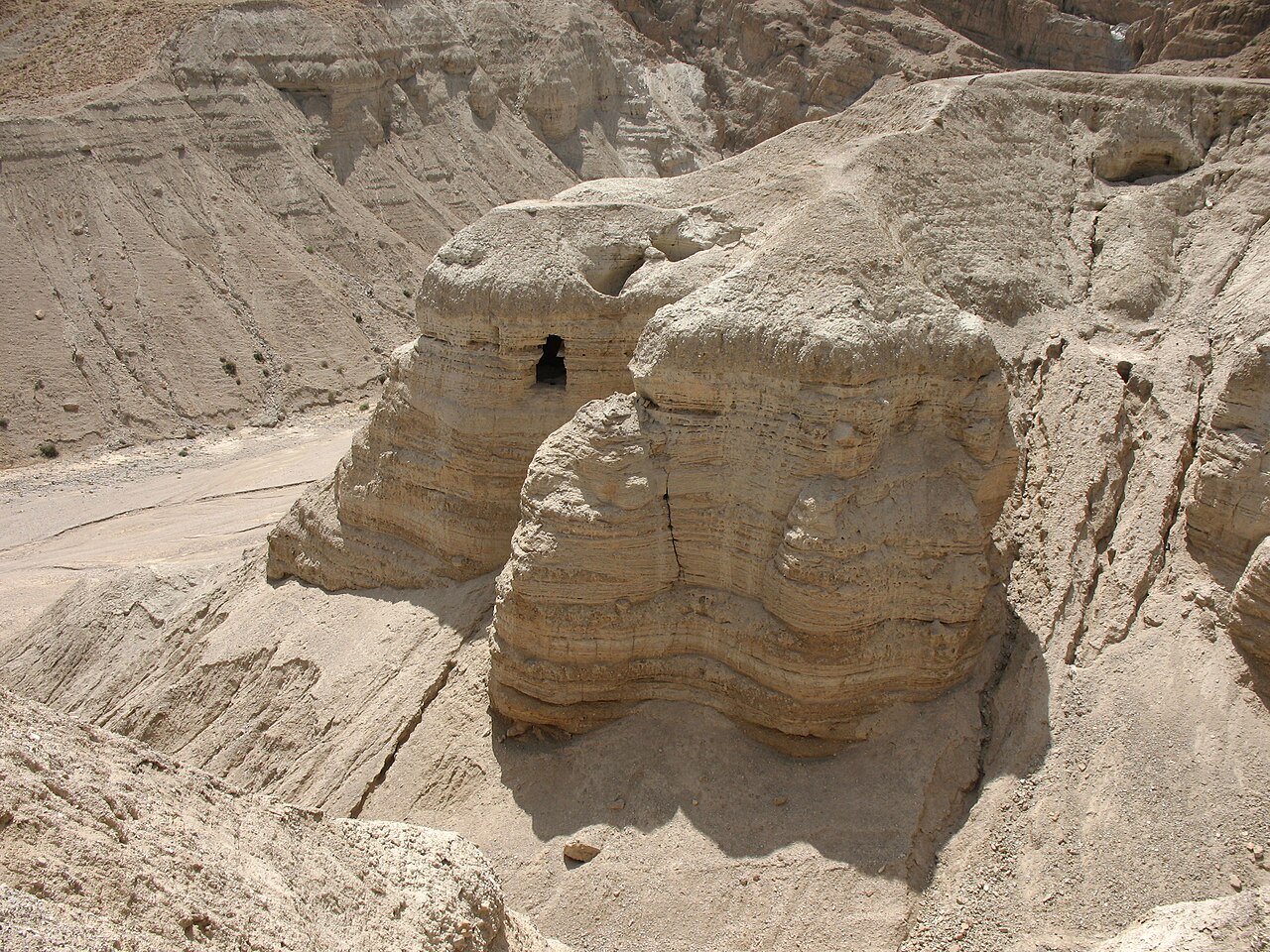
Qumran Cave 4 in the cliffs
Site or place photographCave 4 at Qumran, where Bedouin found about fourteen thousand scroll fragments in 1952.Image credit

1 What Scripture says

Ezra 4:2–6, 9–11

"And there was found at Achmetha… a roll, and therein was a record thus written" (Ezra 6:2).

2 What evidence we might expect

  • Copies of Ezra among the Qumran scrolls, as of most books of the Hebrew Bible.

3 What ancient sources survive

4Q117 (4QEzra)

Language
Aramaic (with Hebrew 4:2–6)
Composed
Copy of the 1st century BC (reported)
Oldest surviving copy
Israel Antiquities Authority (Qumran Cave 4)
Status
Scripture (copy of Ezra)

Ezra 4:2–6 is in Hebrew; the other fragments are in the Aramaic section.

Source: Qumran Digital Reader, 4Q117 (4QEzra), transcription ↗; E. Ulrich, "4QEzra," in Qumran Cave 4.XI: Psalms to Chronicles, DJD XVI (2000) (edition not yet consulted by the site)

4 What discoveries exist

Identified among the Cave 4 fragments; reported to agree closely with the Masoretic Text, with small orthographic differences. No copy of Nehemiah has been securely identified at Qumran; 4Q118, sometimes listed nearby, is a disputed fragment connected with Chronicles.

Qumran Cave 4 in the cliffs
Site or place photographCave 4 at Qumran, where Bedouin found about fourteen thousand scroll fragments in 1952.Image credit

5 How interpretations compare

Scholarly reconstruction

A rare book at Qumran

Ezra–Nehemiah was less copied or less valued at Qumran than the Torah, Psalms or Isaiah.

Assessment: One copy may also reflect chance survival.

6 The strongest supported reconstruction

By the 1st century BC Ezra circulated in a text close to the later Masoretic one.

7 What remains possible or unknown

  • Whether the scroll also contained Nehemiah
  • The exact letters, until collated with DJD XVI

8 How this material came to us

Witness chain on this site: physical fragments (IAA) → Ulrich's edition in DJD XVI (not yet consulted) → Qumran Digital Reader transcription (consulted for coverage) → no letters quoted on the site.

What the evidence shows

Where this connects