myBibleHistory

Ancient Mysteries & Interpretations

The Temple at Elephantine and the Letter to Bagohi

A Jewish garrison on Elephantine island in southern Egypt kept a temple of YHW in the 5th century BC. When it was destroyed in 410 BC, the community petitioned Bagohi, governor of Judah, and the sons of Sanballat of Samaria (407 BC), mentioning an earlier unanswered letter to Johanan the high priest in Jerusalem. A memorandum permits rebuilding with meal offerings and incense. The papyri are contemporary evidence of Jewish diversity and Persian administration; they do not mention Ezra or Nehemiah.

Papyri: authentic originals · Temple: documented · Connection to Ezra: context only

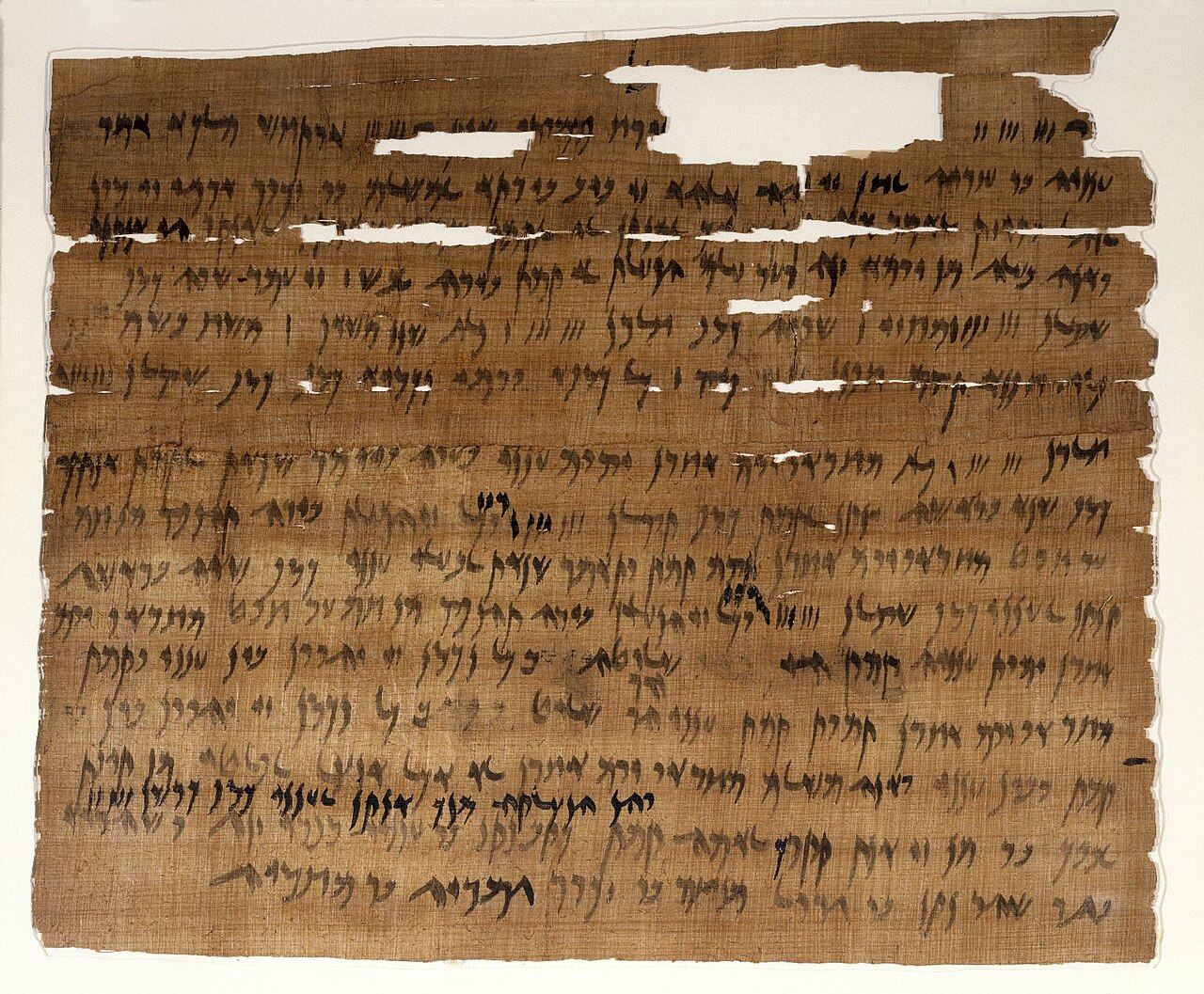
Aramaic papyrus from Elephantine
Historical manuscriptA marriage contract from the Jewish community at Elephantine, Egypt, dated July 3, 449 BC (Brooklyn Museum).Image credit

1 What Scripture says

"That they may offer sacrifices of sweet savours unto the God of heaven, and pray for the life of the king, and of his sons" (Ezra 6:10).

2 What evidence we might expect

  • Jewish communities in the diaspora; correspondence with Jerusalem; Persian control of local cults.

3 What ancient sources survive

Petition to Bagohi (TAD A4.7; second draft A4.8)

Language
Aramaic
Composed
20 Marheshvan, year 17 of Darius II (November 407 BC)
Oldest surviving copy
Original papyri (Berlin, Egyptian Museum P. 13495 and P. 13496)
Status
Not scripture

"We sent a letter to our lord, and to Johanan the high priest and his colleagues the priests who are in Jerusalem… they did not send us one letter."

Source: B. Porten and A. Yardeni, Textbook of Aramaic Documents from Ancient Egypt, vol. 1 (1986): TAD A4.1 (Passover letter), A4.7–A4.9 (temple petition and memorandum); Center for Online Judaic Studies, the Bagohi petition (Elephantine, c. 407 BC) ↗

Memorandum of Bagohi and Delaiah (TAD A4.9)

Language
Aramaic
Composed
c. 407 BC
Oldest surviving copy
Original papyrus
Status
Not scripture

Permits rebuilding "and the meal offering and the incense to be offered."

"Passover letter" (TAD A4.1)

Language
Aramaic
Composed
419/418 BC
Oldest surviving copy
Original papyrus (Berlin)
Status
Not scripture

Hananiah instructs the garrison on the dates of the Feast of Unleavened Bread, citing the king.

4 What discoveries exist

Papyri found from the 1890s onward on Elephantine, including family archives (marriage contracts) and community letters. Excavations have located the temple area near the temple of Khnum.

Aramaic papyrus from Elephantine
Historical manuscriptA marriage contract from the Jewish community at Elephantine, Egypt, dated July 3, 449 BC (Brooklyn Museum).Image credit

5 How interpretations compare

Scholarly reconstruction

Diversity

Not all Jews accepted Jerusalem's exclusive claim; Elephantine shows another temple and different practice.

Scholarly reconstruction

Silence from Jerusalem

Jerusalem's priests did not answer, perhaps because they rejected a temple outside Jerusalem (Deuteronomy 12).

Scholarly reconstruction

Persian channels

Religious matters went through governors and satraps, as Ezra 7 describes.

6 The strongest supported reconstruction

In the late 5th century, a functioning Jerusalem temple and high priest coexisted with Jewish worship elsewhere, all under Persian administration.

7 What remains possible or unknown

  • Whether the Elephantine temple was rebuilt and how long it lasted
  • Whether Ezra's reforms were known there

What the evidence shows

Where this connects