Hittite Laws §193
- Language
- Hittite
- Composed
- c. 16th–14th century BC
- Oldest surviving copy
- Clay tablets from Hattusa
- Status
- Not scripture
If a married man dies, his brother takes the widow; if the brother dies, the father.
Ancient Mysteries & Interpretations
Boaz is a go'el, a kinsman-redeemer: a relative with a duty to buy back family land (Leviticus 25:25). Deuteronomy 25 defines a different duty, levirate marriage, for the dead man's brother. Boaz is not Mahlon's brother, yet Ruth 4 joins land redemption with marriage "to raise up the name of the dead." The sandal ceremony is also different from Deuteronomy's.
Laws: documented · How they combine in Ruth: disputed
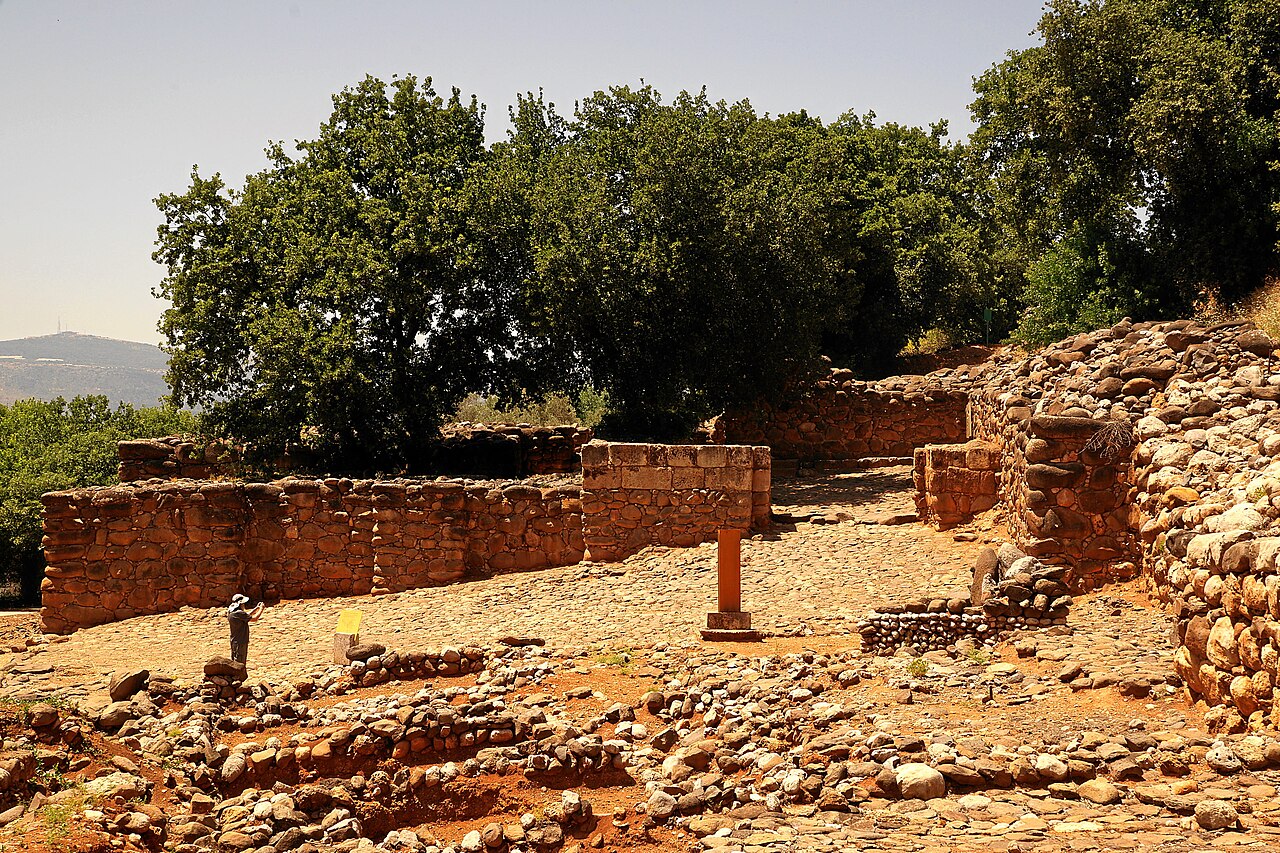
"Moreover Ruth the Moabitess, the wife of Mahlon, have I purchased to be my wife, to raise up the name of the dead upon his inheritance" (Ruth 4:10).
If a married man dies, his brother takes the widow; if the brother dies, the father.
A widow may be given to a son or other relative of her father-in-law.
| Leviticus 25 | Deuteronomy 25 | Ruth 4 | |
|---|---|---|---|
| Relative | Nearest kin | Brother of the dead man | Nearer kinsman, then Boaz |
| Duty | Buy back land | Marry the widow; firstborn bears the dead man's name | Buy land and marry Ruth to keep Mahlon's name |
| Refusal | — | Widow pulls off his sandal and spits; his house is shamed | He takes off his own sandal and gives it to Boaz |
Genesis 38 shows the custom before the law: Judah's sons are to raise offspring for their dead brother, and when Judah fails Tamar, she secures the line herself.
Scholarly reconstruction
In practice the duty extended beyond brothers to the clan, as Hittite and Assyrian laws allowed.
Scholarly reconstruction
Boaz voluntarily joins two duties; the land would go to Ruth's son in Mahlon's name, which is why the nearer redeemer declines.
Scholarly reconstruction
The narrator blends institutions to make a point about ḥesed beyond the letter of the law.
Traditional reading
Boaz goes beyond what any law required, an act of loyal love.
No single law in the Torah requires what Boaz does. He combines the redeemer's duty to land with a levirate-like marriage, voluntarily and in public. The sandal custom is explained as old and differs from Deuteronomy's.
Ruth 4:5 has a ketiv/qere difference ("I acquire" / "you acquire"); see the passage page.
What the evidence shows
Source: R. L. Hubbard Jr., The Book of Ruth (NICOT, 1988); NET Bible, Deuteronomy 25:5–10 with notes on levirate marriage ↗