2 Kings 18:14
Hezekiah's tribute: 300 or 800 talents of silver?
The Hebrew, Vulgate and KJV say 300 talents of silver and 30 of gold. Sennacherib's annals say 30 talents of gold and 800 of silver. The library's Greek says 300 of silver and 300 of gold.
Manuscript variant: witnesses differ in wording
The family tree
Each row is a language or text tradition. Witnesses in the same row may share ancestry, revise one another, or have an uncertain relationship; the line under each box says which. A solid arrow appears only where direct copying or a documented revised edition is established. Order by date never implies copying. Scroll sideways on a phone.
✓ contains it · ✕ does not · ❝ quotes part of it · ⓘ reports on manuscripts · ▢ pages lost · – no copy survives
- Same line, through lost copies
- Translation
Proposed explanations
- Different talents
- A heavier Judean talent vs a lighter Assyrian one (one old proposal: 300 Judean = 800 Assyrian).
- Different totals
- The Assyrian figure includes later payments or the value of other goods.
- Exaggeration
- Assyrian royal inscriptions inflated tribute.
Every witness, in order
Inscribed 691–689 BC
Sennacherib's annals (Taylor, Oriental Institute and Jerusalem prisms)
How the site knows this: Reported in scholarship; not checked by the site.
Lists "30 talents of gold, 800 talents of silver," precious stones, ivory furniture, his daughters and musicians, sent to Nineveh.
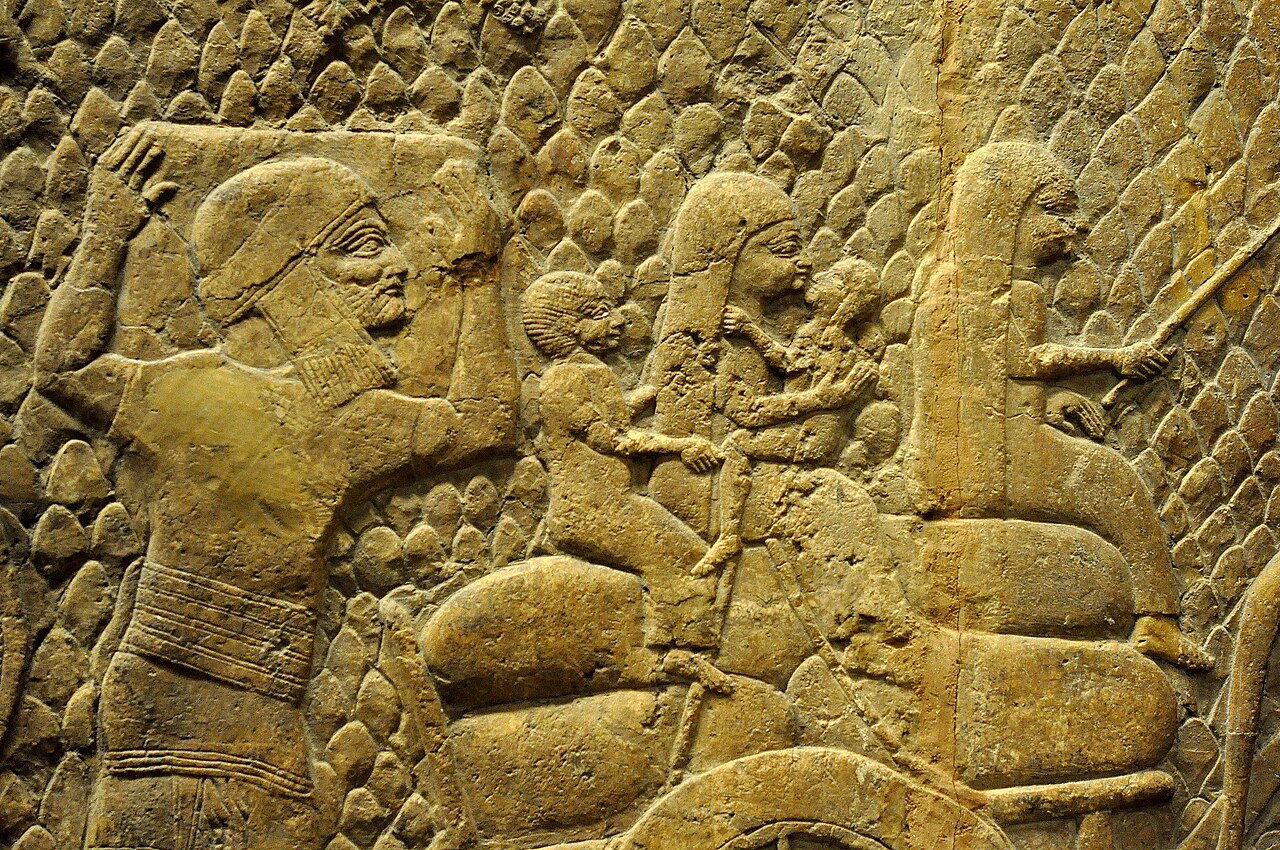
Authentic ancient artifactImage credit Unknown (debated)
Original Kings
No original survives.
Translated c. 2nd century BC; kaige revision 1st c. BC–1st c. AD
Septuagint, 4 Kingdoms (library text: Giguet's French)
How the site knows this: Known here only through a translation.
trois cents talents d'argent et trois cents talents d'or
three hundred talents of silver and three hundred talents of gold
Not checked whether this is the Greek or a slip in the French. One Greek text (Vaticanus type, kaige revision) via Giguet's French; not checked against a critical Greek edition.
c. AD 400
Jerome's Vulgate
How the site knows this: Read in the site's library text: Clementine Vulgate (1592 edition).
trecenta talenta argenti, et triginta talenta auri
300 silver, 30 gold.
AD 1008
Masoretic Text (Leningrad Codex)
How the site knows this: Read in the site's library text: Westminster Leningrad Codex, a digital transcription of the Leningrad Codex.
שְׁלֹשׁ מֵאוֹת כִּכַּר־כֶּסֶף וּשְׁלֹשִׁים כִּכַּר זָהָב
three hundred talents of silver and thirty talents of gold
1611
King James Bible
How the site knows this: Read in the site's library text: King James Version (1769 text).
three hundred talents of silver and thirty talents of gold
What changed, and why
The gold figures agree exactly (30 talents), which is striking. The site does not choose an explanation for the silver.
What the evidence shows
- Kings and Sennacherib agree on 30 talents of gold.
- The silver figures differ (300 vs 800).
- The difference is due to different talents.
Sources
- Israel Museum, Sennacherib Prism (IMJ 71.72.249) ↗
- Oracc, Royal Inscriptions of the Neo-Assyrian Period (RINAP) ↗
- E. Tov, Textual Criticism of the Hebrew Bible, 3rd ed. (2012)
Related lessons
- Hezekiah and Sennacherib →Hezekiah trusts the LORD, removes the high places and breaks the bronze serpent Nehushtan. He rebels against Assyria. In his fourteenth year Sennacherib takes the fortified cities of Judah; Hezekiah pays 300 talents of silver and 30 of gold, stripping the temple doors. Assyrian officials, led by the Rabshakeh, come to Jerusalem's wall and speak to the people in Hebrew: Hezekiah cannot save you, and neither can your God.
- Evidence Case: The Assyrian Archive →From 853 to about 667 BC, Assyrian kings named at least eight kings of Israel and Judah in their inscriptions. These records confirm names, dates and the basic course of events, and they show the same history from the empire's side, with its own propaganda.
- How 2 Kings Came to Us →2 Kings is the second half of the Hebrew book of Kings. It ends with an event of about 561 BC, so its final form is no earlier than that. It names lost royal chronicles as sources, shares long passages with Isaiah and Jeremiah, and is retold in Chronicles. Qumran preserves only small papyrus fragments; the main Greek manuscripts carry a revision toward the Hebrew (kaige) throughout 2 Kings.