Evidence Case: The Assyrian Archive
Jehu, Menahem, Pekah, Hoshea, Ahaz, Hezekiah and Manasseh in Assyria's own records
| King | Assyrian record | Date | What it says | 2 Kings |
|---|---|---|---|---|
| Ahab | Kurkh Monolith (Shalmaneser III) | 853 BC | Ahab the Israelite at Qarqar | Not mentioned |
| Jehu | Black Obelisk (Shalmaneser III) | 841 BC | Tribute of Jehu "son of Omri" | Not mentioned |
| Jehoash | Tell al-Rimah stele (Adad-nirari III) | c. 796 BC | Tribute of Iu'asu of Samaria | 13:5 ("a saviour")? |
| Menahem | Tiglath-pileser III annals | c. 738 BC | Menahem of Samaria pays tribute | 15:19–20 (1,000 talents to Pul) |
| Pekah / Hoshea | Tiglath-pileser III summary inscriptions | c. 732 BC | Pekah overthrown; Hoshea installed | 15:29–30 |
| Ahaz | Tiglath-pileser III summary inscription | c. 734 BC | Jehoahaz of Judah pays tribute | 16:7–8 |
| Hoshea / Samaria | Babylonian Chronicle; Sargon II | 722–720 BC | Samaria ravaged; 27,290 deported | 17:3–6 |
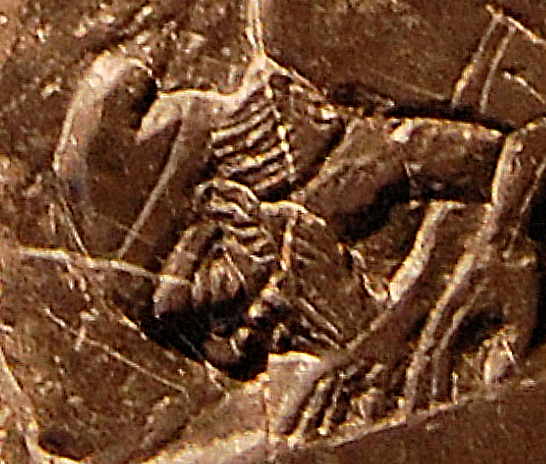
| Hezekiah | Sennacherib's prisms; Lachish reliefs | 701 BC | 46 cities taken; Hezekiah "like a bird in a cage"; tribute | 18:13–19:37 |
| Manasseh | Esarhaddon; Ashurbanipal | c. 673, 667 BC | Manasseh of Judah, a vassal | 21:1–18 |
What the records do not show
No Assyrian text mentions a disaster at Jerusalem, Isaiah, the angel of 19:35, Manasseh's captivity, or Jehu's purge. Silence in royal propaganda is not evidence that these did not happen, and agreement on names is not evidence that every biblical detail is confirmed.
What the evidence shows
- Assyrian inscriptions name Jehu, Menahem, Pekah, Hoshea, Ahaz, Hezekiah and Manasseh.Source: BAS Library, "Israelite Kings in Non-Biblical, Non-Israelite Inscriptions" ↗; Oracc, Royal Inscriptions of the Neo-Assyrian Period (RINAP) ↗; Posen Library, Tiglath-pileser III summary inscription ↗
- Assyrian records confirm every detail of 2 Kings.
Continue the journey
Journey of a Passage2 Kings 18:14: Hezekiah's tribute: 300 or 800 talents of silver?The Hebrew, Vulgate and KJV say 300 talents of silver and 30 of gold.More from this lesson
Investigations
Optional deep dives: the ancient sources, the physical evidence, and every interpretation side by side, including unconventional ones, each labeled for what it is.
The Black Obelisk: Jehu before ShalmaneserObelisk: documented · Jehu's tribute: documented · Figure: Jehu or envoy (debated)
Is there a picture of an Israelite king?
Shalmaneser III's Black Obelisk (British Museum BM 118885), found at Nimrud in 1846, shows tribute bearers from five lands. The second register shows a man bowing before the king, labeled "Tribute of Jehu (Ia-ú-a) son of Omri." It records the year 841 BC. It is the only known contemporary picture of a king of Israel or Judah, or of his envoy.
Open the full investigation →Tiglath-pileser III, Sargon II and the Fall of SamariaKings named: documented · Fall of Samaria: documented · One fall or two: debated
How do Assyrian records describe Israel's last decades?
Tiglath-pileser III names Menahem of Samaria and Jehoahaz (Ahaz) of Judah as tributaries, says Israel's people overthrew Pekah, and claims he made Hoshea king. Sargon II claims to have conquered Samaria and deported 27,290 people. The Babylonian Chronicle says Shalmaneser V ravaged Samaria. Together they confirm the biblical sequence while raising questions about who took Samaria and when.
Open the full investigation →Sennacherib, Hezekiah and the Siege of LachishCampaign: documented · Lachish siege: documented · Jerusalem not taken: documented · Cause of withdrawal: unknown
What do Assyrian records and archaeology say about 701 BC?
Sennacherib's annals claim he took 46 walled cities of Judah, shut Hezekiah in Jerusalem "like a bird in a cage," and received tribute. His palace reliefs show the siege of Lachish; excavations at Lachish found the siege ramp and destruction. Neither text nor relief claims Jerusalem fell. Why Sennacherib withdrew is not explained by Assyrian sources.
Open the full investigation →Echoes Across Civilizations
Optional: how other ancient peoples told similar stories. Open one to compare, then come back to the lesson.
Royal annals and prophetic historyAssyrian · Babylonian
How do empire chronicles tell the same events as Kings?
- Assyrian: Royal annals (Shalmaneser III to Ashurbanipal) Possible historical contact
- Babylonian: Babylonian chronicles Possible historical contact
Why this matters to the rest of Scripture
- Assyria, the rod of God's anger.