Amaziah, Jeroboam II and Jonah
"According to the word of the LORD… by the hand of his servant Jonah"
Amaziah kills the servants who murdered his father, "But the children of the murderers he slew not: according unto that which is written in the book of the law of Moses… The fathers shall not be put to death for the children." He kills ten thousand Edomites in the Valley of Salt and takes Sela.
"Come, let us look one another in the face." Jehoash: "The thistle that was in Lebanon sent to the cedar… Give thy daughter to my son to wife: and there passed by a wild beast… and trode down the thistle." They meet at Beth-shemesh; Judah flees. Jehoash breaks down four hundred cubits of Jerusalem's wall and takes the gold, silver and hostages. Amaziah flees from a conspiracy to Lachish and is killed there; Azariah, sixteen, is made king.
Jeroboam II reigns forty-one years in Samaria. "He restored the coast of Israel from the entering of Hamath unto the sea of the plain, according to the word of the LORD God of Israel, which he spake by the hand of his servant Jonah, the son of Amittai, the prophet, which was of Gath-hepher." "For the LORD saw the affliction of Israel, that it was very bitter… And the LORD said not that he would blot out the name of Israel from under heaven: but he saved them by the hand of Jeroboam."
Jonah son of Amittai
This brief notice is the only mention of Jonah outside the book of Jonah. Gath-hepher is in Galilee (Khirbet ez-Zurra' near Mash'had). The book of Jonah's date and genre are debated; the 2 Kings notice places a historical prophet of that name in the 8th century BC.
Jeroboam II's Israel
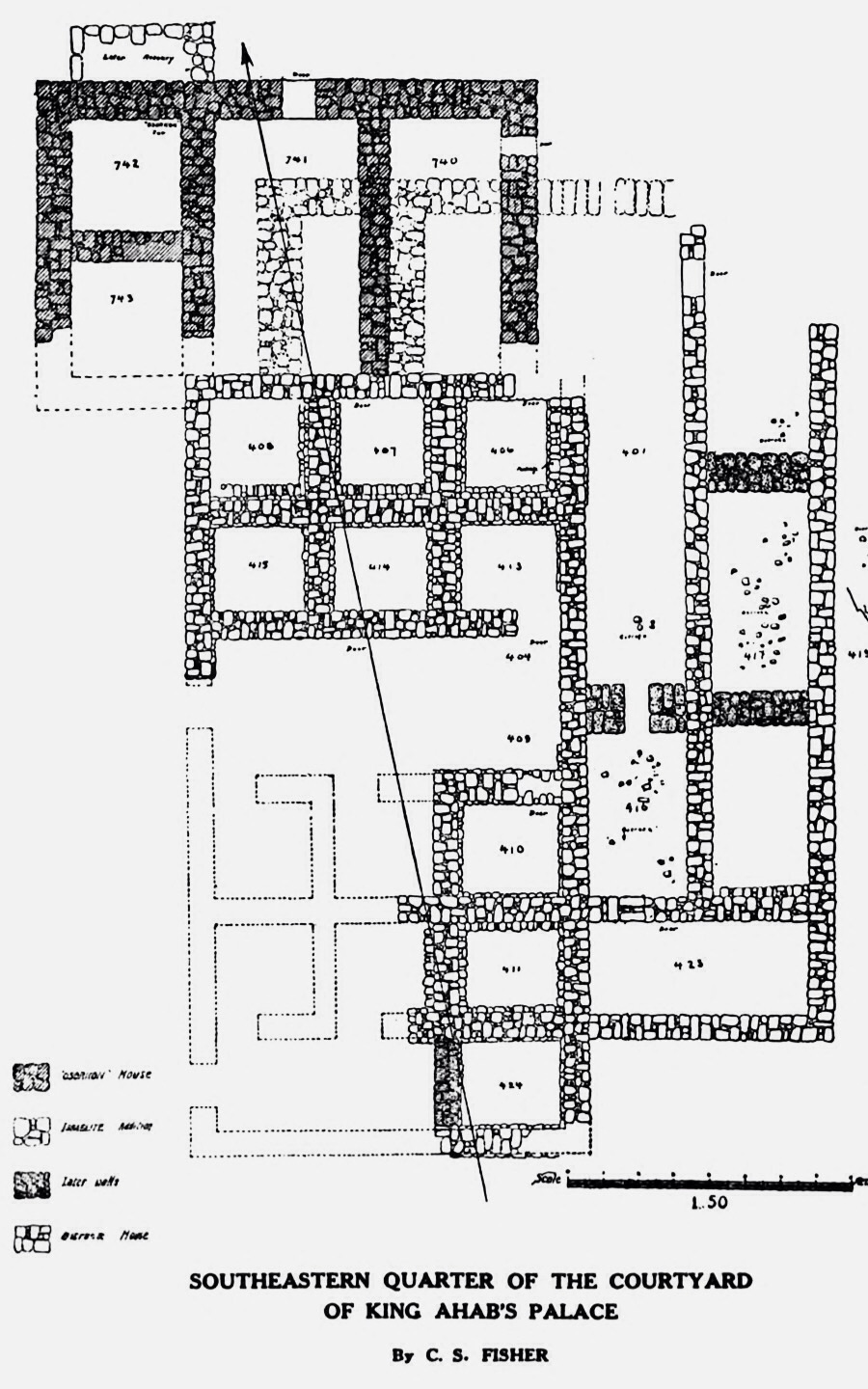
The Samaria Ostraca, dated to the first half of the 8th century BC, record deliveries of wine and oil to Samaria from clans of Manasseh, some with names containing Baal or YHWH. A seal found at Megiddo reads "(belonging) to Shema, servant of Jeroboam." Amos and Hosea describe wealth, luxury and injustice in this period.
The Case for the Biblical Account
Scripture's account
Amaziah and Jeroboam II (2 Kings 14).
What evidence would we expect?
Northern prosperity in the early 8th century BC; administrative records.
The discoveries
The Samaria Ostraca; the Megiddo "Shema servant of Jeroboam" seal (the seal's date and king debated); Amos and Hosea.
Testing the discoveries
Prosperity is documented; the extent of Jeroboam II's borders is not.
The strongest reconstruction
Israel expanded c. 790–750 BC while Assyria and Damascus were weak.
What remains possible
Whether the Shema seal names Jeroboam I or II.
What the evidence shows
- The Samaria Ostraca record deliveries to the capital in the 8th century BC.
- Jonah son of Amittai was a prophet under Jeroboam II. Known only from the Bible.
- Amaziah followed Deuteronomy 24:16. As the text states.
Continue the journey
Journey of a Passage2 Kings 14:25: Jonah son of AmittaiThe witnesses agree that Jeroboam II restored Israel's border "from the entering of Hamath unto the sea of the plain" as Jonah son of Amittai of Gath-hepher had prophesied.More from this lesson
Why this matters to the rest of Scripture
- Children not put to death for parents.
- Jonah son of Amittai.
- Beds of ivory and bowls of wine.
- Jotham's fable of the trees.