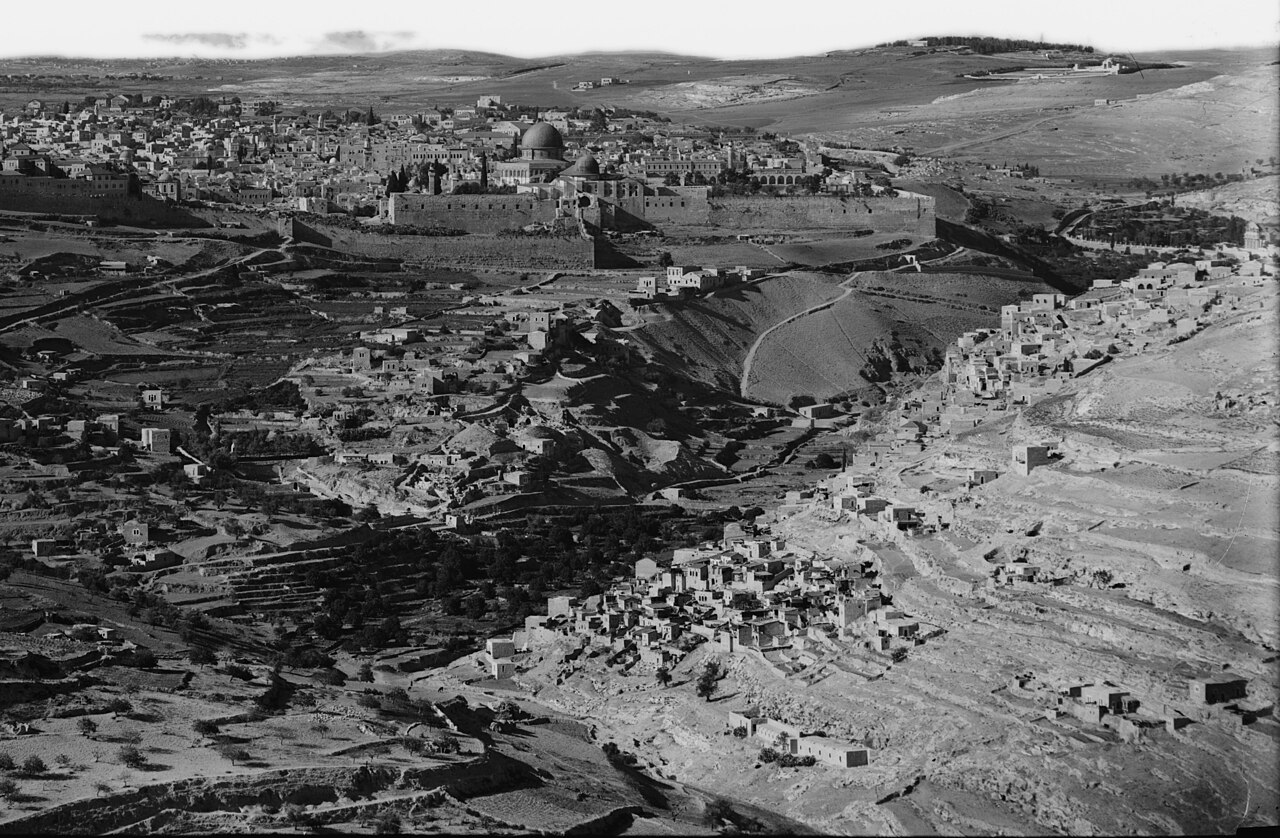
"In the seventh year of Jehu Jehoash began to reign; and forty years reigned he in Jerusalem." "Jehoash did that which was right in the sight of the LORD all his days wherein Jehoiada the priest instructed him. But the high places were not taken away."
The priests are to repair "the breaches of the house" from the money they receive. By the 23rd year nothing is repaired. "Jehoiada the priest took a chest, and bored a hole in the lid of it, and set it beside the altar." The king's scribe and the high priest count the money and give it to the overseers, who pay carpenters, builders, masons and stonecutters. "Moreover they reckoned not with the men, into whose hand they delivered the money… for they dealt faithfully."
Hazael takes Gath and turns toward Jerusalem. Joash sends "all the hallowed things" and all the gold of the temple and palace treasuries; Hazael withdraws. "And his servants arose, and made a conspiracy, and slew Joash in the house of Millo."
Chapter numbers
Hebrew Bibles begin chapter 12 one verse earlier: English 11:21 ("Seven years old was Jehoash") is Hebrew 12:1, and every verse of chapter 12 is one number higher in Hebrew. The library lines them up for you.
Two accounts
2 Chronicles 24 tells it differently: a tax decreed by Moses, Levites collecting across Judah, and, after Jehoiada's death, Joash's apostasy and the stoning of Jehoiada's son Zechariah, which leads to his murder. Kings gives no motive for the conspiracy.
The Jehoash inscription
A stone tablet that appeared on the antiquities market in 2003, describing Jehoash's temple repairs in Phoenician-style Hebrew, was judged a modern forgery by the Israel Antiquities Authority's committee; a long trial ended without a forgery conviction, but most scholars continue to regard it as unauthentic. It is not used as evidence here.
The Case for the Biblical Account
Scripture's account
Temple repairs and Hazael's threat (2 Kings 12).
What evidence would we expect?
Temple finances; Hazael's campaigns in Philistia.
The discoveries
Destruction at Tell es-Safi (Gath) in the late 9th century BC, with a siege trench, often linked to Hazael.
Testing the discoveries
Gath's destruction fits 12:17; the repairs are known only from Kings and Chronicles.
The strongest reconstruction
Hazael destroyed Gath c. 830 BC and threatened Jerusalem.
What remains possible
The reason for Joash's murder.
What the evidence shows
- Gath (Tell es-Safi) was destroyed in the late 9th century BC.
- Hazael destroyed Gath.
- The Jehoash inscription is authentic.
Continue the journey
Connected elsewhere in ScriptureJoash, the Temple Chest and the Death of Zechariah2 Chronicles 24: The Chronicler's account.More from this lesson
Why this matters to the rest of Scripture
- The Chronicler's account.
- "Zacharias… whom ye slew between the temple and the altar."
- The widow at the treasury.