Oil, a Son, Famine and Bread
"Is it well with the child? And she answered, It is well"
"Thy servant my husband is dead… and the creditor is come to take unto him my two sons to be bondmen." "What hast thou in the house?" "Not any thing… save a pot of oil." She borrows empty vessels, "not a few," shuts the door and pours; the oil stops only when there are no more vessels. "Go, sell the oil, and pay thy debt, and live thou and thy children of the rest."
A "great woman" of Shunem builds "a little chamber… on the wall" for the man of God. Elisha asks what can be done for her. "I dwell among mine own people." Gehazi: "she hath no child, and her husband is old." "About this season… thou shalt embrace a son." The child grows; one day in the harvest field he cries, "My head, my head," and dies on his mother's knees at noon.
She lays him on the prophet's bed and rides to Carmel. "Is it well with thee? is it well with thy husband? is it well with the child? And she answered, It is well." At Elisha's feet: "Did I desire a son of my lord? did I not say, Do not deceive me?" Gehazi's staff does nothing. Elisha prays, lies on the child, "and the flesh of the child waxed warm… and the child sneezed seven times, and the child opened his eyes." At Gilgal in famine, wild gourds poison the stew: "there is death in the pot." Meal is added, "and there was no harm in the pot." A man brings twenty barley loaves: "They shall eat, and shall leave thereof."
Debt slavery
Creditors in the ancient Near East could take a debtor's children as bond-servants (compare Exodus 21:7; Nehemiah 5:5; Mesopotamian laws such as Hammurabi §117). The law limited such service, but the danger was real.
Shunem
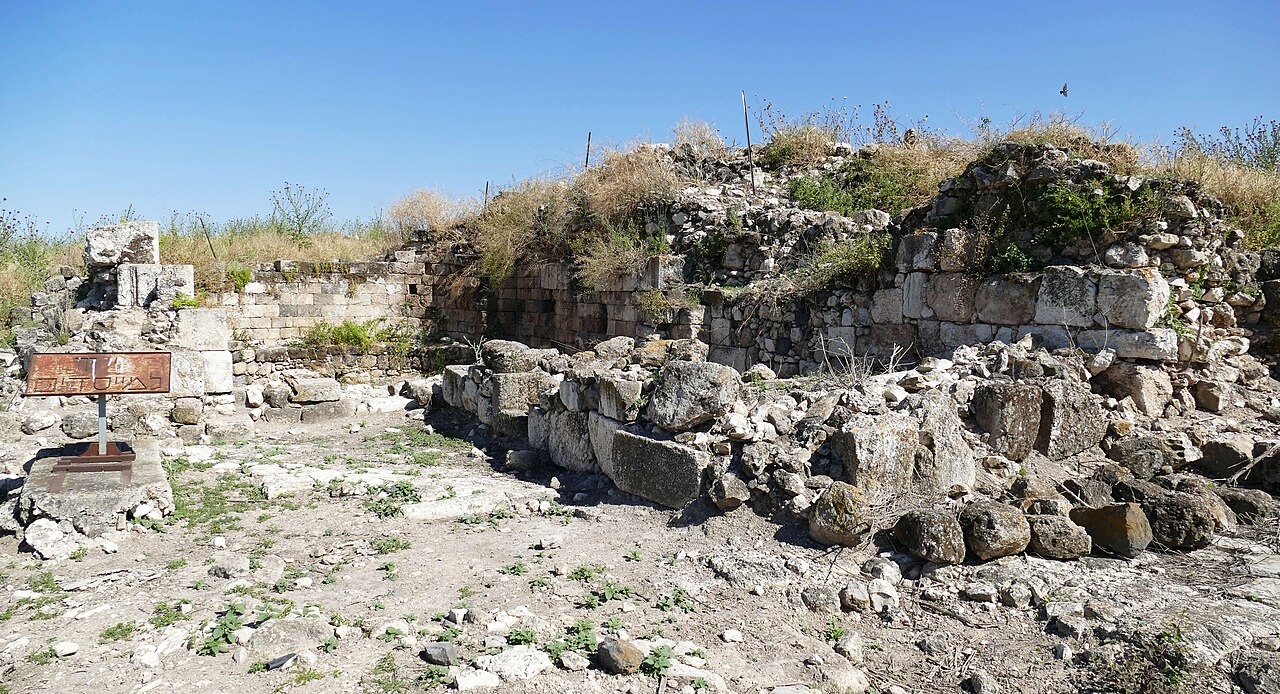
Shunem is identified with Sulam, at the foot of the hill of Moreh in the Jezreel Valley, about 30 km from Mount Carmel. It appears in Shoshenq I's list and in the Amarna letters.
Elijah, Elisha and the Gospels
The raising of the Shunammite's son resembles Elijah and the widow (1 Kings 17). The feeding of a hundred with twenty loaves, with food left over, is echoed in the Gospel feedings (Mark 6:35–44). These are literary and theological parallels; they do not show that one story was copied from another.
The Case for the Biblical Account
Scripture's account
Elisha's miracles for the needy (2 Kings 4).
What evidence would we expect?
Debt slavery; famine; village hospitality to holy men.
The discoveries
Ancient laws on debt servitude; Shunem (Sulam) in Egyptian and Amarna records.
Testing the discoveries
The social world is documented; the miracles are matters of faith.
The strongest reconstruction
Prophetic legends preserved among Elisha's followers.
What remains possible
The date of the famine.
What the evidence shows
- Creditors could take debtors' children as servants.
- Shunem is modern Sulam.
- "The child opened his eyes."
Continue the journey
Connected elsewhere in ScriptureElijah and the Widow1 Kings 17:8–24: Elijah and the widow of Zarephath.More from this lesson
Why this matters to the rest of Scripture
- Elijah and the widow of Zarephath.
- The feeding of the five thousand.
- The widow of Nain.
- "Women received their dead raised to life again."