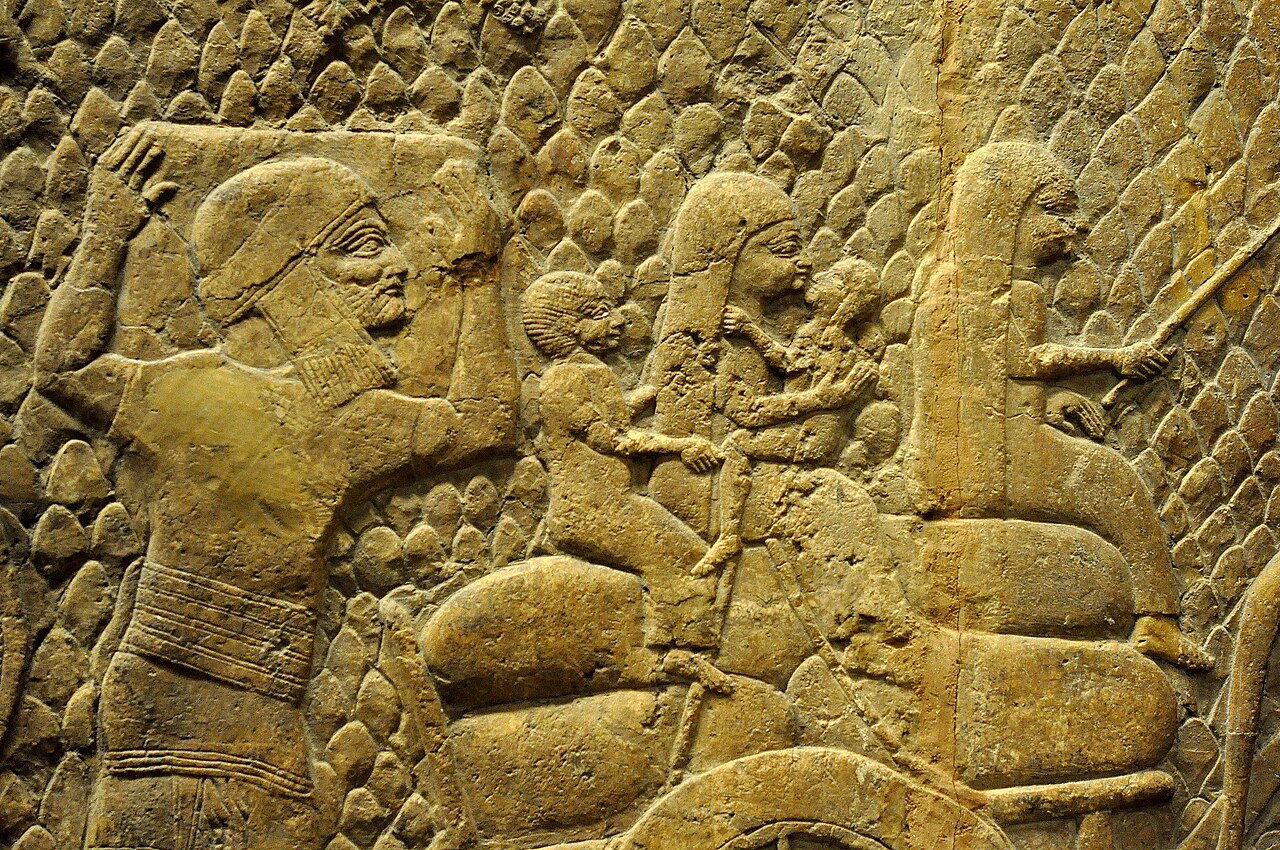
Evidence Case: Lachish, Siloam and the Destruction of Jerusalem
What the ground shows about 701 and 586 BC
| Find | Date | Shows | Cautions |
|---|---|---|---|
| Lachish Level III and siege ramp | 701 BC | Assyrian siege; destruction | Linked to 2 Kings 18:14, 17 by date and the Nineveh reliefs |
| Lachish reliefs (British Museum) | c. 700–690 BC | The siege as Sennacherib wanted it remembered | Royal art, not a photograph |
| lmlk jar handles | Late 8th c. BC | Royal supply system in Judah | Function debated (preparation for 701 is likely) |
| Broad Wall, Jerusalem | Late 8th c. BC | City expanded and fortified | Cut through houses (compare Isaiah 22:10) |
| Siloam tunnel and inscription | c. 700 BC (inferred) | Water brought inside the walls | The inscription names no king |
| Hezekiah bulla (Ophel) | Late 8th c. BC | "Belonging to Hezekiah [son of] Ahaz, king of Judah" | Found in excavation (2009, published 2015) |
| City of David burnt houses; bullae | 586 BC | Destruction by fire; officials' names | Cannot assign houses to named people |
| Lachish letters | c. 588 BC | Judah's last days | Not related to 701 BC |
Separate the two sieges: Lachish fell to Assyria in 701 BC (Level III) and to Babylon in 588–586 BC (Level II, where the Lachish letters were found). Jerusalem survived the first and was burned in the second.
What the evidence shows
- Lachish was destroyed in 701 BC and again in the early 6th century BC.Source: British Museum, Lachish reliefs (resource) ↗
- A bulla of Hezekiah was found in controlled excavation.
- The Siloam tunnel is Hezekiah's.Source: University of Michigan, Siloam inscription (image database) ↗; Ancient Hebrew Inscriptions (Cambridge Elements) ↗
Continue the journey
Journey of a Passage2 Kings 20:20: The conduit and the Siloam inscriptionKings says Hezekiah "made a pool, and a conduit, and brought water into the city." The Siloam inscription, cut inside a tunnel in Jerusalem, describes a tunnel's completion but names no king.More from this lesson
On the map
Location securely identified Probable identification Proposed or debated location Biblical route (roads schematic) Scholarly proposal
- Sennacherib's campaign, 701 BC (schematic). Schematic, following the order of the annals: Phoenicia, the Philistine coast (Ekron), Judah's cities (Lachish), and the blockade of Jerusalem, which was not taken.
Investigations
Optional deep dives: the ancient sources, the physical evidence, and every interpretation side by side, including unconventional ones, each labeled for what it is.
Sennacherib, Hezekiah and the Siege of LachishCampaign: documented · Lachish siege: documented · Jerusalem not taken: documented · Cause of withdrawal: unknown
What do Assyrian records and archaeology say about 701 BC?
Sennacherib's annals claim he took 46 walled cities of Judah, shut Hezekiah in Jerusalem "like a bird in a cage," and received tribute. His palace reliefs show the siege of Lachish; excavations at Lachish found the siege ramp and destruction. Neither text nor relief claims Jerusalem fell. Why Sennacherib withdrew is not explained by Assyrian sources.
Open the full investigation →The Siloam Tunnel and InscriptionTunnel and inscription: documented · Builder: Hezekiah (strongly supported, inferred)
Did Hezekiah cut the tunnel, and what does the inscription say?
A winding tunnel 533 m long carries the Gihon spring's water to the Siloam pool. An inscription found inside in 1880 describes the moment two teams of diggers met. It names no king; its script and the biblical texts make Hezekiah the most likely builder, but some studies have proposed other dates.
Open the full investigation →Echoes Across Civilizations
Optional: how other ancient peoples told similar stories. Open one to compare, then come back to the lesson.
Water for a city under siegeIsraelite / Canaanite · Greek
How did ancient cities secure water against siege?
- Israelite / Canaanite: Water systems at Megiddo, Hazor and Gibeon Shared literary world
- Greek: The Tunnel of Eupalinos Resemblance only
Why this matters to the rest of Scripture
- Breaking down houses to fortify the wall.
- Only Lachish and Azekah remained.