myBibleHistory

Ancient Mysteries & Interpretations

Sennacherib, Hezekiah and the Siege of Lachish

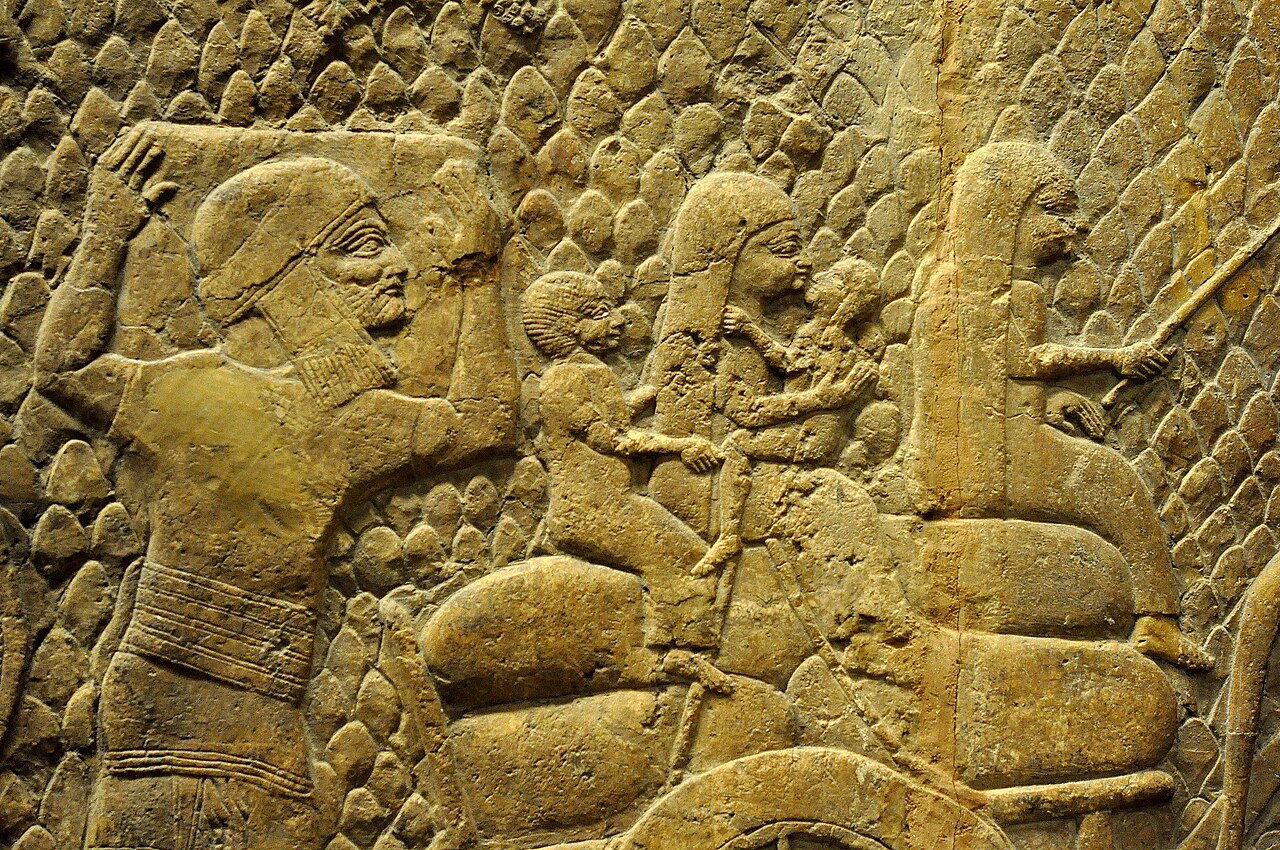
Sennacherib's annals claim he took 46 walled cities of Judah, shut Hezekiah in Jerusalem "like a bird in a cage," and received tribute. His palace reliefs show the siege of Lachish; excavations at Lachish found the siege ramp and destruction. Neither text nor relief claims Jerusalem fell. Why Sennacherib withdrew is not explained by Assyrian sources.

Campaign: documented · Lachish siege: documented · Jerusalem not taken: documented · Cause of withdrawal: unknown

The Lachish reliefs
Authentic ancient artifactSennacherib's reliefs of the siege of Lachish (701 BC), showing Judahites led into exile. British Museum.Image credit

1 What Scripture says

"He shall not come into this city, nor shoot an arrow there" (2 Kings 19:32).

2 What evidence we might expect

  • Assyrian records of the campaign; destruction in Judah's cities but not Jerusalem.

3 What ancient sources survive

Sennacherib's annals (third campaign)

Language
Akkadian
Composed
Prisms inscribed 691–689 BC
Oldest surviving copy
Taylor Prism (British Museum); Oriental Institute Prism (Chicago); Jerusalem Prism (Israel Museum IMJ 71.72.249)
Status
Not scripture

Each prism is a separate object; images and inventory numbers must not be mixed.

4 What discoveries exist

Lachish reliefs (British Museum) from Sennacherib's Southwest Palace at Nineveh; Lachish Level III destruction with siege ramp, counter-ramp, arrowheads and sling stones; lmlk jars across Judah.

The Lachish reliefs
Authentic ancient artifactSennacherib's reliefs of the siege of Lachish (701 BC), showing Judahites led into exile. British Museum.Image credit

5 How interpretations compare

Traditional reading

Divine deliverance

The angel of the LORD struck the camp (2 Kings 19:35).

Scholarly reconstruction

Tribute and withdrawal

Hezekiah's submission ended the campaign; Assyria had no need to take the city.

Scholarly reconstruction

Egyptian threat or epidemic

Tirhakah's army or disease forced withdrawal (compare Herodotus 2.141).

Scholarly reconstruction

Two campaigns

2 Kings 18:17–19:37 describes a later campaign (c. 688 BC).

Assessment: Not attested in Assyrian sources; minority view.

6 The strongest supported reconstruction

Sennacherib devastated Judah in 701 BC and left with tribute, without taking Jerusalem.

7 What remains possible or unknown

  • Why the siege of Jerusalem ended.
  • How to reconcile 300 and 800 talents of silver.

What the evidence shows

Where this connects