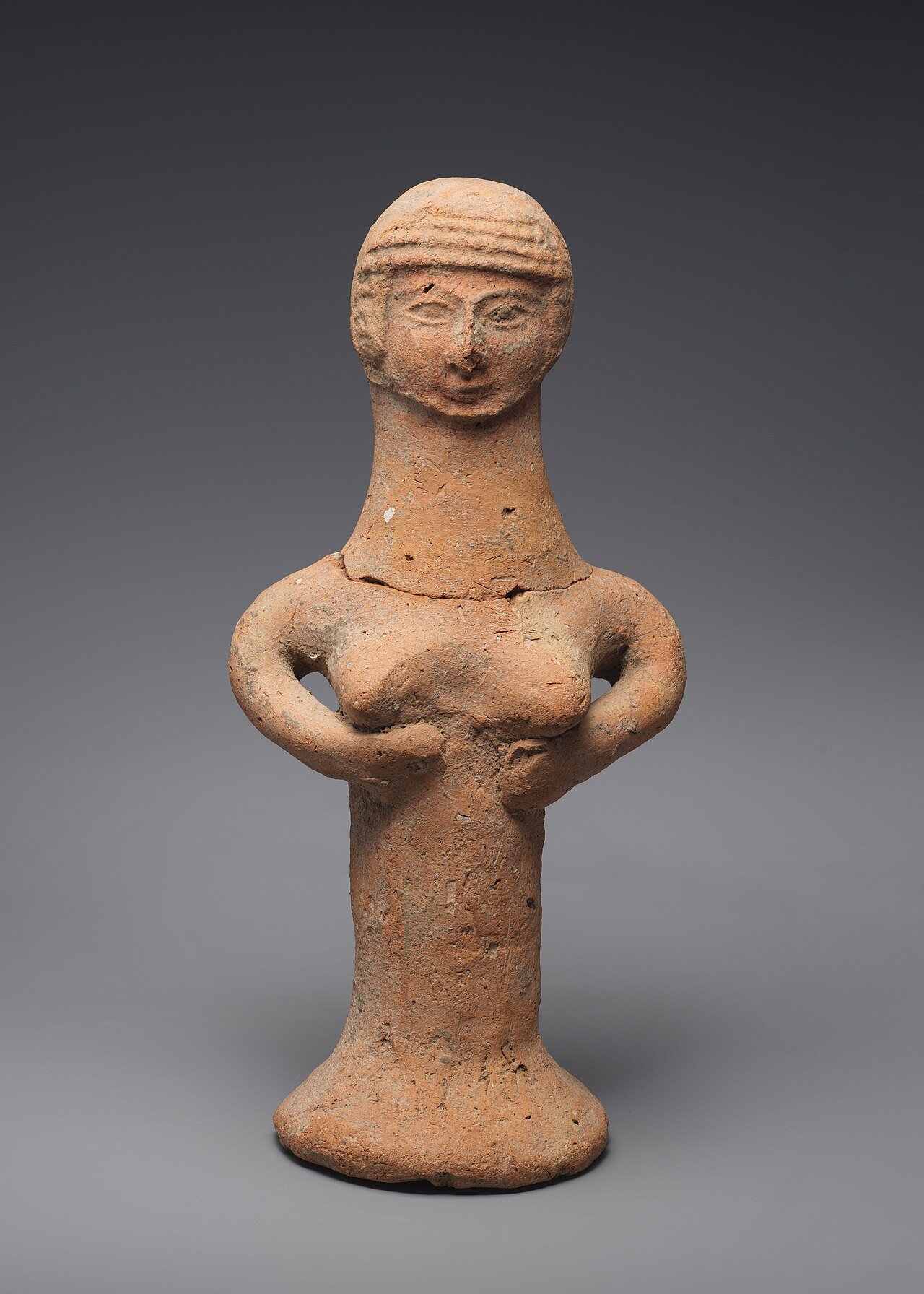
Manasseh, twelve, reigns fifty-five years. "He built up again the high places which Hezekiah his father had destroyed; and he reared up altars for Baal, and made a grove, as did Ahab king of Israel; and worshipped all the host of heaven." He builds altars "in the two courts of the house of the LORD," makes his son pass through fire, "observed times, and used enchantments, and dealt with familiar spirits," and sets "a graven image of the grove" in the temple.
The LORD speaks by the prophets: "I am bringing such evil upon Jerusalem and Judah, that whosoever heareth of it, both his ears shall tingle… and I will wipe Jerusalem as a man wipeth a dish, wiping it, and turning it upside down." "Moreover Manasseh shed innocent blood very much, till he had filled Jerusalem from one end to another."
Amon his son reigns two years and follows his father's ways. "And the servants of Amon conspired against him, and slew the king in his own house. And the people of the land slew all them that had conspired against king Amon; and the people of the land made Josiah his son king in his stead."
Manasseh in Assyrian records
Esarhaddon (c. 673 BC) lists "Manasseh (Menasi) king of Judah" among twenty-two western kings who supplied building materials for his palace at Nineveh; Ashurbanipal lists him among kings who supported his campaign against Egypt (c. 667 BC). These confirm a long-reigning, loyal Assyrian vassal; they say nothing about his religion or about a captivity.
Two Manassehs
2 Chronicles 33:11–17 says Assyrian commanders took Manasseh to Babylon in chains, he humbled himself and prayed, was restored, and removed the foreign gods. Kings has none of this. The "Prayer of Manasseh," a short penitential prayer, is a later composition found in some Greek and Latin Bibles (in an appendix in the Vulgate, in the Apocrypha in Protestant Bibles, canonical in the Orthodox tradition); it is not Manasseh's recovered prayer. Babylon was under Assyrian rule in this period, so a summons there is possible, but no Assyrian text mentions it.
Innocent blood
Later Jewish tradition (the Martyrdom of Isaiah; Talmud Yevamot 49b) says Manasseh had Isaiah sawn in two; this is legend, possibly echoed in Hebrews 11:37.
The Case for the Biblical Account
Scripture's account
Manasseh and Amon (2 Kings 21).
What evidence would we expect?
A long reign as an Assyrian vassal; astral cults in 7th-century Judah.
The discoveries
Esarhaddon's and Ashurbanipal's lists naming Manasseh; Judahite pillar figurines and astral imagery on 7th-century seals.
Testing the discoveries
Manasseh's vassalage is documented; his religious acts are known from the Bible.
The strongest reconstruction
Manasseh kept Judah peaceful under Assyria for decades; Kings judges his reign as the cause of the coming exile.
What remains possible
Whether Manasseh was taken to Babylon and repented.
What the evidence shows
- Esarhaddon and Ashurbanipal name Manasseh king of Judah.Source: BAS Library, "Israelite Kings in Non-Biblical, Non-Israelite Inscriptions" ↗
- Manasseh was taken captive and repented. 2 Chronicles 33 only.
- The Prayer of Manasseh is his original prayer.
Continue the journey
Journey of a Passage2 Kings 21 and 2 Chronicles 33: Manasseh: judged, or repentant?Kings presents Manasseh as the worst king of Judah, with no repentance.More from this lesson
Why this matters to the rest of Scripture
- Manasseh's repentance.
- "Because of Manasseh."
- Judgment stands despite Josiah.
- "They were sawn asunder."