How 2 Kings Came to Us
One book of Kings, royal annals now lost, a Greek text revised toward the Hebrew, and parallels in Isaiah, Jeremiah and Chronicles
In Hebrew tradition Kings is one book among the Former Prophets; the Talmud (Bava Batra 15a) attributes it to Jeremiah. The Greek Bible calls 2 Kings "4 Kingdoms" (Reigns); older Latin and Catholic Bibles "4 Kings." The division into two books is later than the composition: it appears in the Greek tradition and entered printed Hebrew Bibles in the 15th–16th centuries.
The witnesses
| Witness | Kind | Date | Notes |
|---|---|---|---|
| 6QpapKings (6Q4) | Hebrew papyrus, fragments | Late 2nd–1st c. BC (reported) | Reported to preserve bits of 2 Kings 5–9 (5:26; 6:32; 7:8–10; 7:20–8:5; 9:1–2…); identifications debated; not checked by the site |
| Codex Vaticanus | Greek | 4th c. AD | 4 Kingdoms in the kaige revision |
| Codex Alexandrinus | Greek | 5th c. AD | 4 Kingdoms |
| Lucianic (Antiochene) manuscripts | Greek | Medieval copies of an ancient text | Often preserve older Greek readings |
| Josephus, Antiquities 9–10 | Greek retelling | c. AD 93 | Adds Berossus and other sources |
| Vulgate | Latin from Hebrew | c. AD 400 | "4 Kings" |
| Peshitta; Targum Jonathan | Syriac; Aramaic | Early centuries AD | Not in the site's library for Kings |
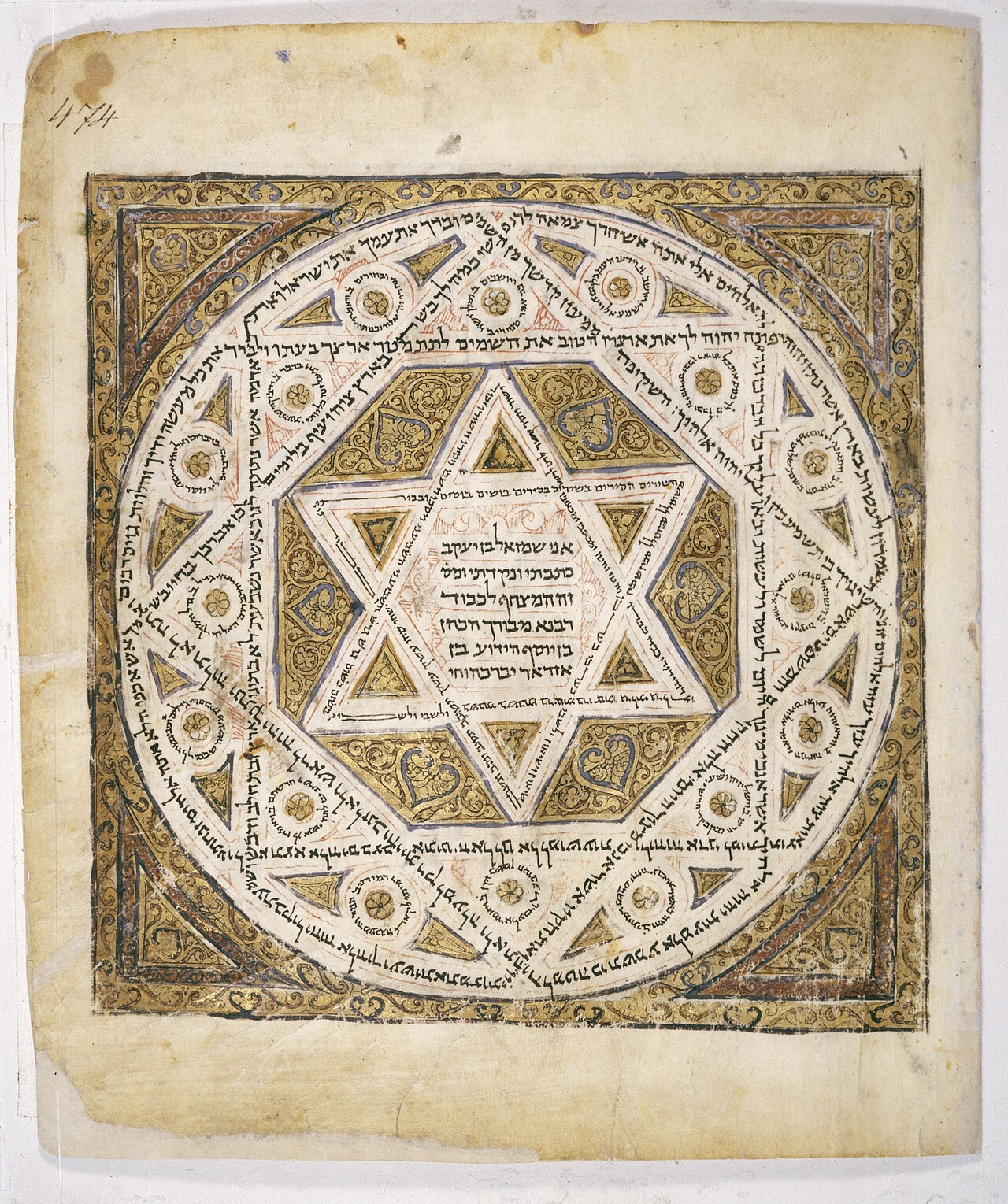
| Aleppo Codex | Hebrew, Masoretic | c. AD 930 | Kings survives |
| Leningrad Codex | Hebrew, Masoretic | AD 1008 | The library's Hebrew |
Parallel books
| 2 Kings | Parallel | Relationship |
|---|---|---|
| 18:13–20:19 | Isaiah 36–39 | Nearly identical; Isaiah omits 18:14–16 and adds Hezekiah's psalm |
| 24:18–25:30 | Jeremiah 52 (also 39) | Nearly identical; dates and numbers differ in places; Greek Jeremiah shorter |
| Throughout | 2 Chronicles 21–36 | A later retelling with additions and omissions |
Which text borrowed from which is debated for each parallel. These are literary parallels, not copies of one surviving manuscript from another.
The Greek
In Codex Vaticanus, Kings from 1 Kings 22 to the end of 2 Kings is the kaige revision, which brought the Greek closer to a Hebrew text like the Masoretic. The library's Greek (Giguet's French, Vaticanus type) therefore usually agrees with the Hebrew in 2 Kings; older Greek readings must be sought in the Lucianic manuscripts, which the site has not checked. Where the library's Greek differs (6:25 "fifty"; 18:14 "300 talents of gold"; 24:16 "70,000"), it may reflect the Greek, Giguet's translation, or printing, and is labeled that way.
What the evidence shows
- Kings ends with an event of about 561 BC.
- 6Q4 preserves fragments of 2 Kings. Reported; identifications debated.Source: E. Tigchelaar, "Reading and Assessing the Books of Kings Manuscripts from Qumran," Oxford Handbook of the Books of Kings (2024) ↗
- The Vaticanus text of 2 Kings is the kaige revision.
- Jeremiah wrote Kings.
Then and Later
2 Kings, then and later
- c. 852–561 BCThe events Elijah's departure to Jehoiachin's release.
- MonarchyRoyal chronicles Named sources, now lost.
- Late 7th c. BCJosiah edition? Proposed first edition.
- After 561 BCFinal edition Kings completed.
- 2nd–1st c. BCGreek and Qumran 4 Kingdoms; 6Q4.
- 1st c. ADKaige revision Greek revised toward the Hebrew.
- AD 1008Leningrad Codex The complete Hebrew text.
Continue the journey
Journey of a Passage2 Kings 8:26 and 2 Chronicles 22:2: Ahaziah's age: 22, 42 or 20?2 Kings 8:26 says Ahaziah was 22 when he became king.More from this lesson
Why this matters to the rest of Scripture
- The Hezekiah chapters.
- The fall of Jerusalem.
- Chronicles' ending.
Sources to explore
- E. Tigchelaar, "Reading and Assessing the Books of Kings Manuscripts from Qumran," Oxford Handbook of the Books of Kings (2024) ↗
- British Museum, Babylonian Chronicle (BM 21946) ↗
- Israel Museum, Sennacherib Prism (IMJ 71.72.249) ↗
- CDLI, Black Obelisk of Shalmaneser III (BM 118885) ↗
Overviews are a starting point. Each links onward to the primary sources and specialist studies behind it.