Era 9 · Restoration1 Chronicles
How 1 Chronicles Came to Us
One book of "the words of the days," written after the exile, with almost no ancient copies
In Hebrew Bibles Chronicles is one book and usually the last book of the Writings, ending the Bible with Cyrus' call to return. The Greek translation divided it into two and called it Paraleipomena, "things left out" (of Samuel–Kings); the Vulgate kept the name (Paralipomenon). Christian Bibles place it after Kings among the historical books. The Talmud (Bava Batra 15a) says Ezra wrote the genealogies "up to himself."
The witnesses
| Witness | Kind | Date | Notes |
|---|---|---|---|
| 4Q118 | Hebrew fragment | 1st c. BC (reported) | Column 2 roughly matches 2 Chronicles 28:27–29:3; column 1 has no known parallel; whether it is a copy of Chronicles is disputed. Not a witness to 1 Chronicles. |
| Codex Vaticanus; Alexandrinus | Greek (Paraleipomena) | 4th–5th c. AD | Close to the Hebrew, with many spelling differences in names |
| Peshitta | Syriac | Early centuries AD | Chronicles was translated later than other books; not in the site's library |
| Vulgate | Latin from Hebrew | c. AD 400 | Translates some names as words (20:5 "Adeodatus son of Saltus") |
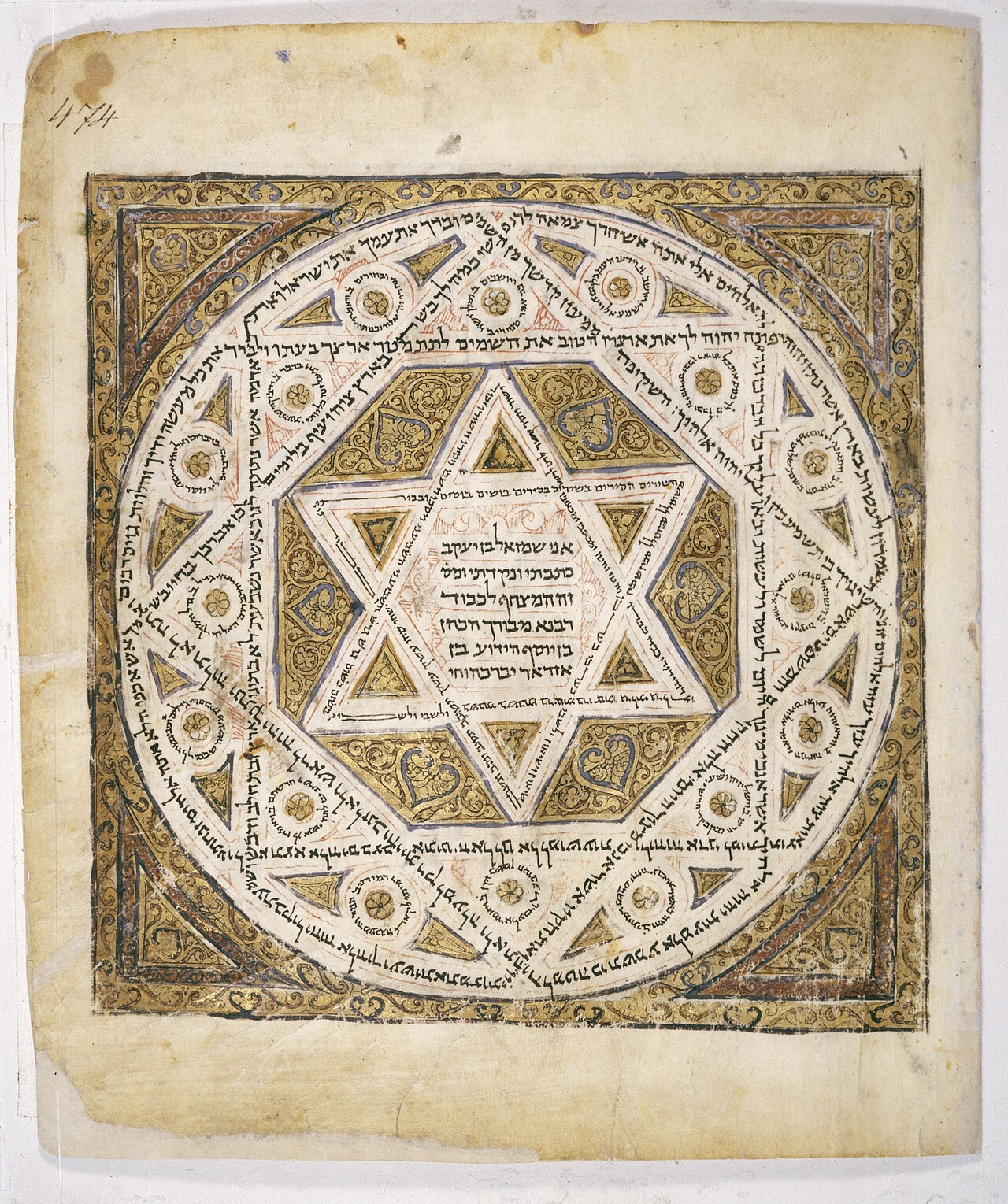
| Aleppo Codex | Hebrew, Masoretic | c. AD 930 | Chronicles placed first among the Writings |
| Leningrad Codex | Hebrew, Masoretic | AD 1008 | Chronicles placed first among the Writings; the library's Hebrew |
Lost sources it names
"The book of Samuel the seer… Nathan the prophet… Gad the seer" (29:29); in 2 Chronicles many more. They may be sections of our Samuel–Kings or lost works. No independent copy survives; the site will not reconstruct their text.
The library's Greek
The library's Greek of Chronicles is Giguet's French translation. It is used to show content and order only; where it differs ("twenty" in 2 Chronicles 22:2, "thirty" in 1 Chronicles 23:24, Sheerah "among those who survived" in 7:24), the reading is labeled as known only through translation.
What the evidence shows
- Chronicles is one book in the Hebrew Bible.
- 4Q118 is a copy of Chronicles.Source: G. J. Brooke, Reading the Dead Sea Scrolls (SBL), on 4Q118 ↗; M. Parchem, "The Books of Chronicles in Qumran," Collectanea Theologica 89/4 (2019) ↗
- No Qumran manuscript of 1 Chronicles is known.
- Ezra wrote Chronicles.
- Chronicles was composed in the Persian period.Source: Society for Old Testament Study, "Chronicles" ↗
Then and Later
1 Chronicles, then and later
- c. 1000 BCDavid's reign The narrative's climax.
- Monarchy to exileSources Samuel–Kings, lists, psalms.
- 4th c. BCChronicles Written in Persian Yehud.
- 2nd c. BCParaleipomena Greek translation.
- c. AD 400Vulgate Paralipomenon I.
- AD 1008Leningrad Codex Chronicles first of the Writings.
Continue the journey
Journey of a Passage1 Chronicles 29:29: The books of Samuel, Nathan and GadAll witnesses say David's acts are written "in the book of Samuel the seer, and in the book of Nathan the prophet, and in the book of Gad the seer." No separate books of Nathan or Gad survive.More from this lesson
Why this matters to the rest of Scripture
- The same decree that ends 2 Chronicles.
- From Abel to Zechariah: Genesis to Chronicles?
Sources to explore
- Society for Old Testament Study, "Chronicles" ↗
- G. J. Brooke, Reading the Dead Sea Scrolls (SBL), on 4Q118 ↗
- M. Parchem, "The Books of Chronicles in Qumran," Collectanea Theologica 89/4 (2019) ↗
- I. Finkelstein, "The Historical Reality behind the Genealogical Lists in 1 Chronicles," JBL 131 (2012) ↗
Overviews are a starting point. Each links onward to the primary sources and specialist studies behind it.