Era 6 · The First Kings1 Chronicles
Investigation: Family Names and Historical Geography
What genealogies were for, and what they can tell historians
| Feature | Example | What it may reflect |
|---|---|---|
| Towns as persons | "Salma the father of Bethlehem" (2:51) | Clan settlement and founding traditions |
| Fluid lineage | Caleb as Judah's descendant (2:18) | Integration of non-Israelite groups (Kenizzites) |
| Repeated lines | Saul's family twice (8; 9) | Bridging sections |
| Military totals | "In the days of David" (7:2) | Census lists or idealized musters |
| Women | Sheerah (7:24), Zeruiah (2:16), Maacah (7:15–16) | Lines and land through women |
| Missing tribes | Dan and Zebulun | Sources unavailable or lost |
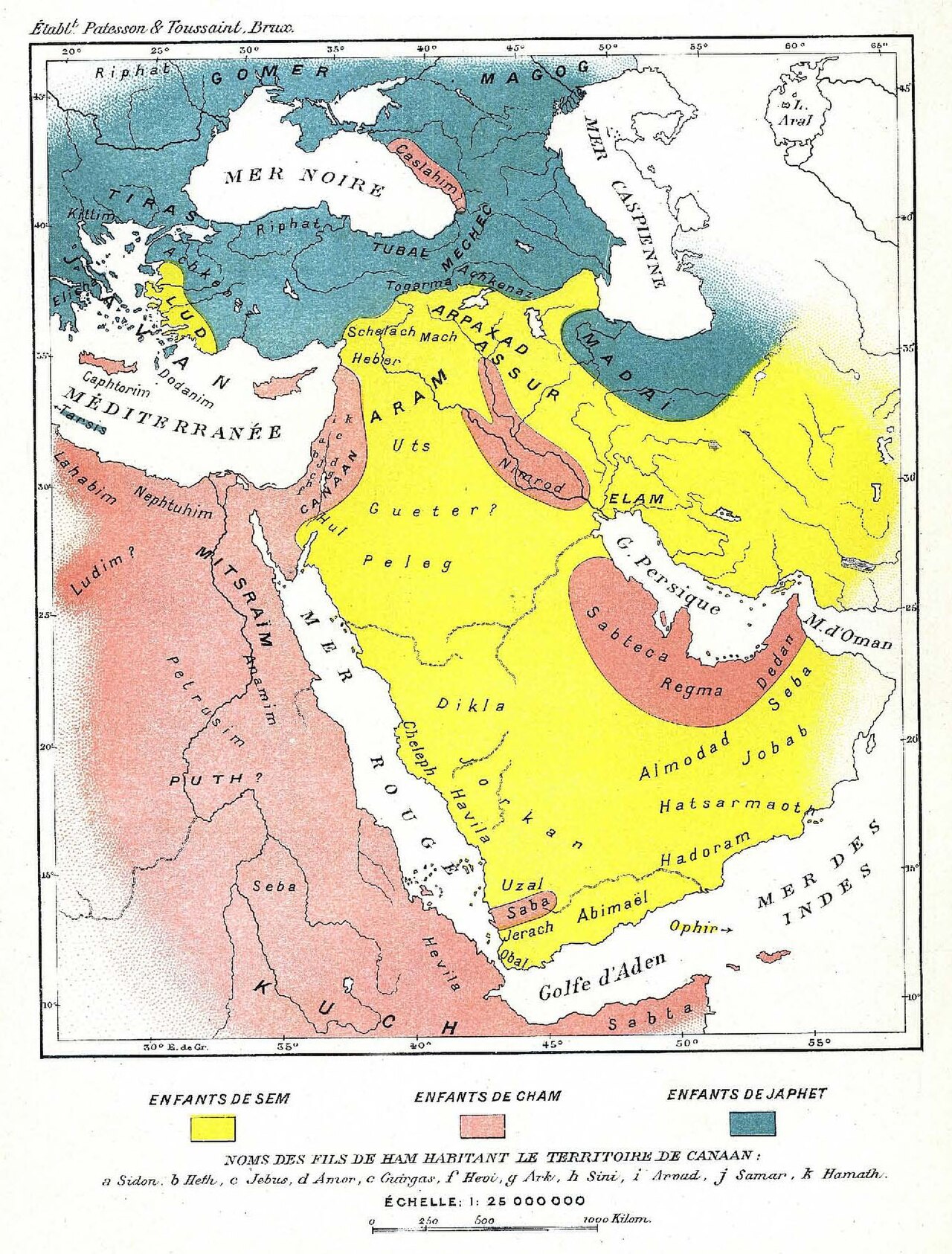
Israel Finkelstein (2012) argued that many southern place-names in the lists match settlements of late Persian or Hellenistic Judah and Idumea. Critics reply that such names often persisted for centuries. Either way, the lists tell us about the Chronicler's world as much as David's.
Names in seals, bullae and ostraca from the 8th–6th centuries BC (Shaphan, Gemariah, Azariah) show the kind of names in the lists, but do not identify individuals in early genealogies.
What the evidence shows
- Some genealogical place-names fit later Judah.Source: I. Finkelstein, "The Historical Reality behind the Genealogical Lists in 1 Chronicles," JBL 131 (2012) ↗
- Genealogies expressed land and identity claims.
Continue the journey
Journey of a Passage1 Chronicles 2:13–15: David the seventh son, or the eighth?Chronicles names seven sons of Jesse, with David the seventh.More from this lesson
Why this matters to the rest of Scripture
- Families who could not prove their descent.