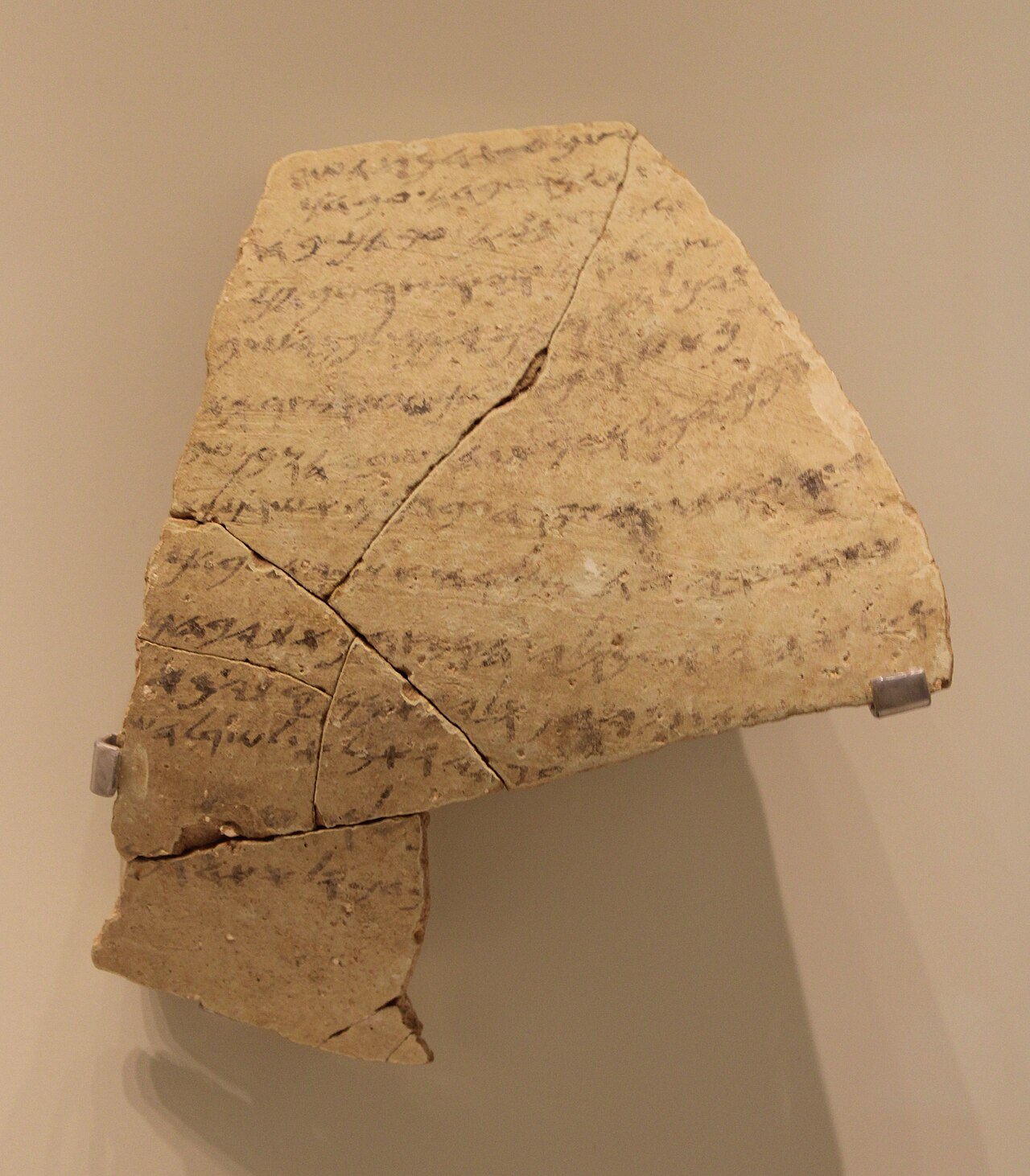
A harvest worker writes to an official that his garment was taken by an overseer, and asks for it back.
Similar
Harvest labor under an overseer
A poor worker appealing for fair treatment
Different
A reaper's complaint, not gleaning
Babylonian · Mesopotamia
Royal claims to protect the widow and orphan
Shared literary world
Composed
c. 1750 BC (Hammurabi's epilogue) and earlier
Earliest surviving copy
The Hammurabi stele (Louvre)
Kings boast that they made justice so "the strong may not oppress the weak" and gave justice to the orphan and the widow.
Similar
Concern for the widow and orphan
Different
Royal justice, not a harvest right
Back to the story
The Foreign Gleaner, Boaz and Safety →Ruth goes to glean behind the reapers and "happens" to come to the field of Boaz, a relative of Elimelech. He asks who she is, tells her to stay in his field, orders his young men not to touch her, and gives her water. He has heard of her loyalty: may the LORD reward you, under whose wings you have come to take refuge.
Extraordinary Generosity and the Two Harvests →Boaz invites Ruth to eat with the reapers and secretly tells them to drop extra grain for her. She gathers about an ephah of barley. Naomi, seeing it, blesses the man and then recognizes his name: he is one of our redeemers. Ruth gleans through the barley and wheat harvests.
Love Your Neighbor →Leviticus 19 joins worship and ethics in a single chapter: honor parents, keep the Sabbath, leave the edges of the field for the poor, pay wages the same day, don't curse the deaf or trip the blind, judge fairly, love your neighbor, and love the foreigner as yourself. Jesus called its central command the second greatest in the Law.
Divorce, Pledges, Wages, and the Vulnerable →A divorced woman who remarries may not go back to her first husband. A newly married man is excused from war for a year. No one may take a millstone as collateral or enter a poor man's house to seize a pledge. Pay workers the same day. Each person dies for his own sin. Leave the forgotten sheaf for the stranger, the orphan and the widow.
Isaiah 58: The Fast That I Have Chosen →"Cry aloud, spare not, lift up thy voice like a trumpet (shofar)": the people seek God daily and ask, "Wherefore have we fasted, and thou seest not?" God answers: "in the day of your fast ye find pleasure, and exact all your labours" (or "drive all your workers"); you fast for strife and to strike with the fist (58:1–5). "Is not this the fast that I have chosen? to loose the bands of wickedness, to undo the heavy burdens, and to let the oppressed go free… to deal thy bread to the hungry, and that thou bring the poor that are cast out to thy house? when thou seest the naked, that thou cover him; and that thou hide not thyself from thine own flesh?" Then "shall thy light break forth as the morning"; you will call and God will answer, "Here I am"; you will be "the repairer of the breach" (vv. 6–12). If you call the sabbath "a delight," not doing your own business, you will ride on the heights of the earth (vv. 13–14).
Investigation: Inclusion, Exclusion and the Poor →Isaiah's first chapter tells rulers to "judge the fatherless, plead for the widow" (1:17), and its last chapters open the temple to foreigners and eunuchs (56) and perhaps the priesthood to the nations (66:21). Between them the book condemns those who "grind the faces of the poor" (3:15), defines true fasting as freeing the oppressed and feeding the hungry (58), pictures Zion as a woman humiliated and then married, and promises that the wealth of the nations will flow into Jerusalem. This investigation gathers these texts, sets them in their historical settings, and looks honestly at their ethical difficulties as well as their reach.