Isaiah 58: The Fast That I Have Chosen
Fasting while workers are driven, the bonds of wickedness, bread for the hungry, and the sabbath delight
"Cry aloud, spare not, lift up thy voice like a trumpet, and shew my people their transgression… Yet they seek me daily, and delight to know my ways, as a nation that did righteousness… Wherefore have we fasted, say they, and thou seest not? wherefore have we afflicted our soul, and thou takest no knowledge? Behold, in the day of your fast ye find pleasure, and exact all your labours. Behold, ye fast for strife and debate, and to smite with the fist of wickedness" (58:1–4).
"Is it such a fast that I have chosen? a day for a man to afflict his soul? is it to bow down his head as a bulrush, and to spread sackcloth and ashes under him?… Is not this the fast that I have chosen? to loose the bands of wickedness, to undo the heavy burdens, and to let the oppressed go free, and that ye break every yoke? Is it not to deal thy bread to the hungry, and that thou bring the poor that are cast out to thy house? when thou seest the naked, that thou cover him; and that thou hide not thyself from thine own flesh?" (vv. 5–7).
"Then shall thy light break forth as the morning, and thine health shall spring forth speedily… Then shalt thou call, and the LORD shall answer; thou shalt cry, and he shall say, Here I am. If thou take away from the midst of thee the yoke, the putting forth of the finger, and speaking vanity; And if thou draw out thy soul to the hungry, and satisfy the afflicted soul; then shall thy light rise in obscurity… and thou shalt be called, The repairer of the breach, The restorer of paths to dwell in" (vv. 8–12).
"If thou turn away thy foot from the sabbath, from doing thy pleasure on my holy day; and call the sabbath a delight, the holy of the LORD, honourable… Then shalt thou delight thyself in the LORD; and I will cause thee to ride upon the high places of the earth, and feed thee with the heritage of Jacob thy father" (vv. 13–14).
| Verses | What it says | What to notice |
|---|---|---|
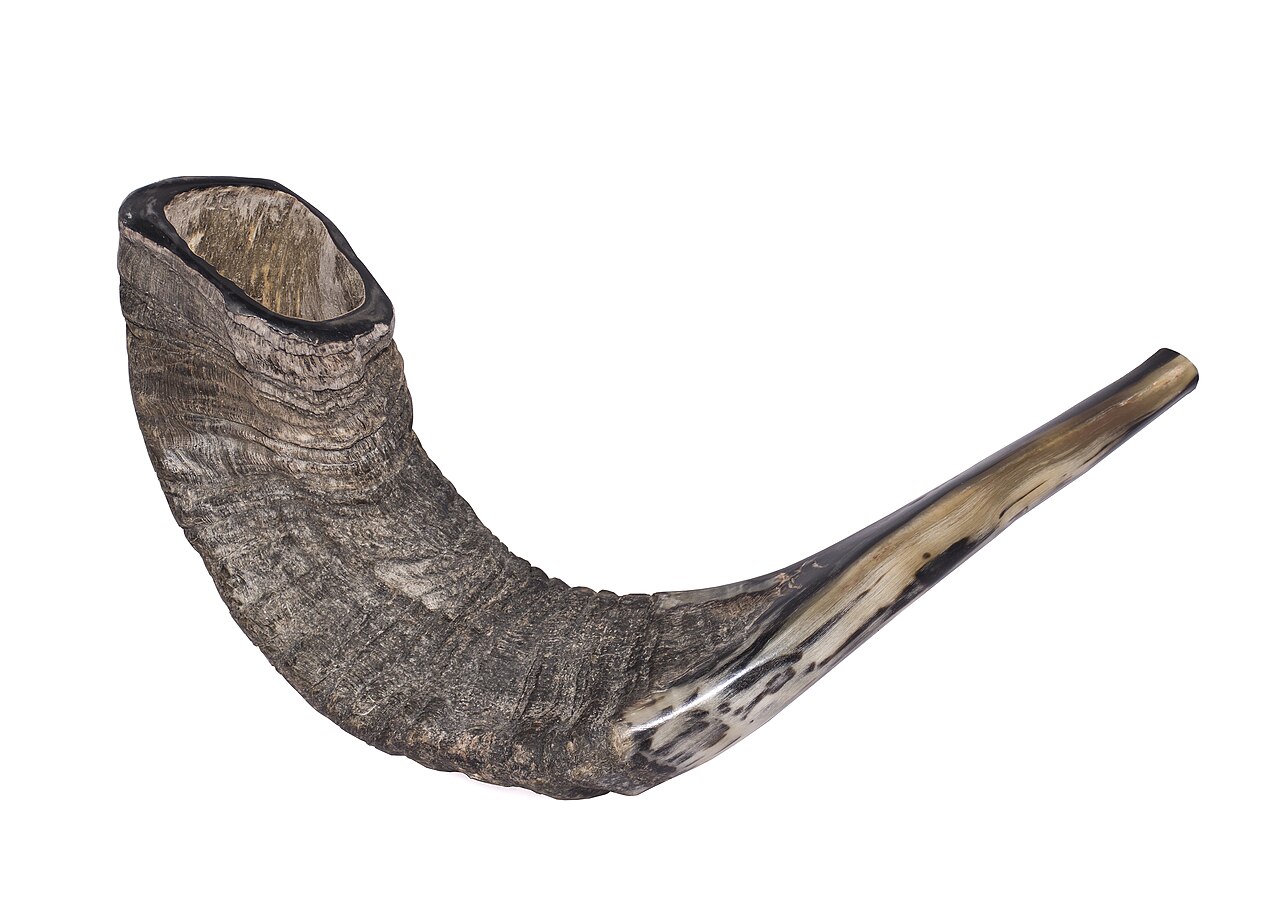
| 58:1 | Shout, do not hold back; raise your voice like a shofar; declare their transgression | The prophet as herald of accusation (compare Micah 3:8). |
| 58:2 | They seek me daily and want to know my ways, as if they were a righteous nation | The people are religious; that is not the problem. |
| 58:3a | "Why have we fasted and you do not see?" | A real complaint: prayer seems unanswered (compare Zechariah 7:3–5). |
| 58:3b–4 | On your fast day you pursue your business and drive all your workers; you fast for quarrels and fist-fights | Atsvekhem tingosu: "you oppress your laborers" (nagas, the verb of the Egyptian taskmasters, Exodus 3:7; 5:6). |
| 58:5 | A day to bow the head like a reed, lie on sackcloth and ashes: is that a fast? | Outward signs of mourning (compare 1 Kings 21:27; Jonah 3:5–8). |
| 58:6 | To open the fetters of wickedness, untie the yoke's cords, send the crushed away free, break every yoke | The language of debt slavery and release (chofshim, Exodus 21:2; Jeremiah 34:9). Luke 4:18 includes the Greek of this verse. |
| 58:7 | Share bread with the hungry, bring homeless poor into your house, clothe the naked, do not hide from your own flesh | "Your own flesh": kin and fellow Judeans. 1QIsa-a adds "with a garment." |
| 58:8–9a | Your light will break like dawn, your healing spring up; your righteousness goes before you, the LORD's glory behind; you call and he answers "Here I am" | The new exodus (52:12) applied to social action. |
| 58:9b–10 | If you remove the yoke, the pointing finger and evil talk; if you offer yourself to the hungry | "Pointing the finger": accusation or contempt. |
| 58:11 | The LORD will guide you, satisfy you in drought; you will be like a watered garden, a spring that does not fail | Compare Jeremiah 31:12. |
| 58:12 | You will rebuild ancient ruins: repairer of the breach, restorer of streets to live in | Fits the Persian-period ruins of Judah (compare 61:4; Nehemiah 2:17). |
| 58:13–14 | If you turn your foot from the sabbath, from your business on my holy day; call the sabbath a delight; then you will delight in the LORD, ride the heights, eat Jacob's inheritance | "Oneg shabbat": the Jewish phrase for sabbath joy comes from this verse. "Ride upon the high places" quotes Deuteronomy 32:13. |
Fasting in the Persian period
Zechariah 7–8, dated to 518 BC, records a delegation asking whether to continue the fasts mourning Jerusalem's fall, and the prophet's answer: "Execute true judgment, and shew mercy… oppress not the widow, nor the fatherless, the stranger, nor the poor" (7:9–10). Zechariah 8:19 names fasts in the fourth, fifth, seventh and tenth months. Isaiah 58 belongs to the same world of communal fasting after the exile, though it does not name a fast day or a date.
Workers, debts and bread
Nehemiah 5:1–13 describes Judeans who mortgaged fields and sold children into slavery to pay for grain and the king's tax, and Nehemiah's demand that creditors release them. Jeremiah 34:8–22 tells of slaves freed and then taken back. The vocabulary of Isaiah 58:6 (fetters, cords, yoke, send free) fits that world of debt bondage, though the verse cites no law and names no institution. Ancient Near Eastern kings proclaimed releases of debts (Mesopotamian misharum and andurarum decrees; compare Hebrew deror, 61:1), and the Torah's sabbath-year and jubilee laws (Exodus 21; Deuteronomy 15; Leviticus 25) address the same problems.
Social obligation behind worship
Isaiah 58 does not reject fasting; it defines it. The "fast I choose" is a set of actions toward others: releasing those bound by debt, feeding, housing, clothing. The chapter stands in a line of prophetic texts that judge worship by justice: Isaiah 1:10–17, Amos 5:21–24, Micah 6:6–8, Hosea 6:6, Zechariah 7:4–10. Each speaks in its own setting; Isaiah 58 speaks to a community that fasts and asks why God does not answer, and the answer concerns how its members treat their workers and their poor. 58:6's "loose the bands of wickedness" is ethical and civic; it is not evidence for a single law being enforced.
Jesus and the fast
Luke 4:18 includes the Greek of 58:6 ("to set at liberty them that are bruised") inside the reading from Isaiah 61, so that Luke's "Nazareth manifesto" joins two passages. Matthew 6:16–18 reports Jesus' teaching on fasting in secret, and Matthew 25:35–36 his words about feeding the hungry, welcoming the stranger and clothing the naked, which echo 58:7 without citing it. These are separate texts in separate Gospels; the site does not merge them into one teaching, and it does not read Isaiah 58 as if it had been written about any of them.
Sabbath and economy
The sabbath at the end of the chapter is also economic: rest from "your business" (chefets, v. 13; compare Amos 8:5, merchants waiting for the sabbath to end). Jewish tradition took "call the sabbath a delight" as the basis of oneg shabbat, honoring the day with food, clothing and rest (b. Shabbat 118a–b, reported).
What the evidence shows
- Isaiah 58 links acceptable fasting with releasing the oppressed and feeding the hungry.
- Isaiah 58:3 accuses the people of driving their workers on fast days. The usual sense of the Hebrew; some read "exact your debts."
- Luke 4:18 includes words from Isaiah 58:6.
- Isaiah 58 is the Yom Kippur haftarah (with 57:14–21). C check (b. Megillah 31a).
- Isaiah 58:6 refers to a specific law of release.
Continue the journey
Journey of a PassageIsaiah 58:6–7: "Is not this the fast that I have chosen?": bonds loosed, bread shared, and Luke 4:18"Is not this the fast that I have chosen?More from this lesson
Echoes Across Civilizations
Optional: how other ancient peoples told similar stories. Open one to compare, then come back to the lesson.
Debt release and libertySumerian · Babylonian · Assyrian and Nuzi
Did other ancient peoples cancel debts and free debt-slaves, like the Jubilee?
- Sumerian: Reforms of Uruinimgina (Urukagina) Shared literary world
- Babylonian: The Edict of Ammi-saduqa (a misharum decree) Possible historical contact
- Assyrian and Nuzi: Andurarum proclamations Possible historical contact
The widow in the fieldEgyptian · Judahite · Babylonian
Did other ancient peoples protect the poor, widows and strangers at harvest time?
- Egyptian: The Instruction of Amenemope, chapter 28 Possible historical contact
- Judahite: The Mesad Hashavyahu (Yavneh-Yam) ostracon Possible historical contact
- Babylonian: Royal claims to protect the widow and orphan Shared literary world
Why this matters to the rest of Scripture
- Zechariah 7:1–14; 8:19Should we keep fasting?
- Debt slavery in Yehud.
- Amos 5:21–24; Micah 6:6–8Justice before ritual.
- "To set at liberty them that are bruised."
- Feeding, welcoming, clothing.