Isaiah 54: Sing, O Barren
Enlarge your tent, your Maker is your husband, a covenant of peace, and a city of jewels
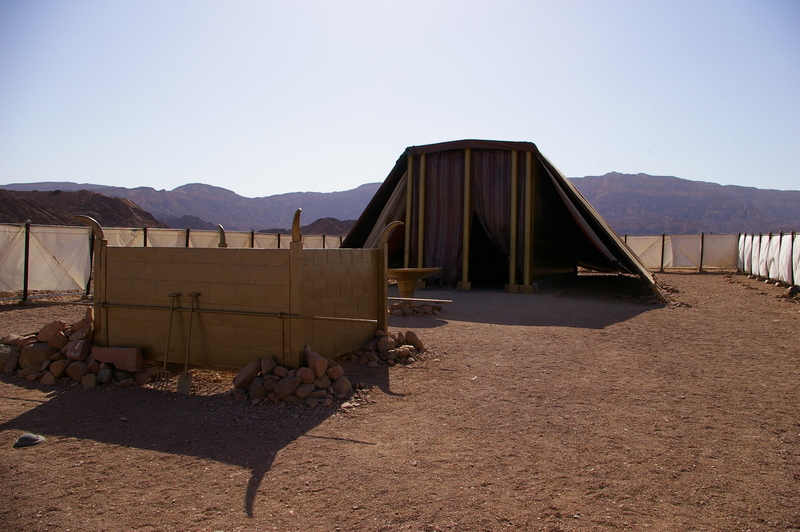
"Sing, O barren, thou that didst not bear; break forth into singing… for more are the children of the desolate than the children of the married wife, saith the Lord. Enlarge the place of thy tent, and let them stretch forth the curtains of thine habitations: spare not, lengthen thy cords, and strengthen thy stakes" (54:1–2).
"For thy Maker is thine husband; the Lord of hosts is his name… For a small moment have I forsaken thee; but with great mercies will I gather thee. In a little wrath I hid my face from thee for a moment; but with everlasting kindness will I have mercy on thee" (vv. 5–8).
"For the mountains shall depart, and the hills be removed; but my kindness shall not depart from thee, neither shall the covenant of my peace be removed, saith the Lord that hath mercy on thee… And all thy children shall be taught of the Lord; and great shall be the peace of thy children" (vv. 10–13). "No weapon that is formed against thee shall prosper… This is the heritage of the servants of the Lord" (v. 17).
| Verses | What it says | What to notice |
|---|---|---|
| 54:1 | Sing, barren one; the desolate has more children than the married | Echoes Sarah (51:2), Hannah and Rachel. Quoted in Galatians 4:27. |
| 54:2–3 | Enlarge your tent, lengthen cords, strengthen stakes; your offspring will possess nations | William Carey's 1792 sermon on this text launched the modern Protestant missionary movement (reported). |
| 54:4–6 | Forget the shame of youth and widowhood; your Maker is your husband; a deserted wife called back | The marriage metaphor for covenant (Hosea 2; Jeremiah 3). |
| 54:7–8 | For a brief moment I left you; with great compassion I will gather you; in a surge of anger I hid my face; with everlasting love I have mercy | Hesed olam: everlasting covenant love. |
| 54:9–10 | Like Noah's waters: I swore no more flood, so I swear no more anger; mountains may move, my love will not; my covenant of peace stands | Covenant of peace: also Ezekiel 34:25; 37:26. |
| 54:11–12 | Storm-tossed one: stones in antimony, foundations of sapphire, battlements of ruby, gates of jewels | Revelation 21:18–21; Tobit 13:16–17. |
| 54:13–14 | All your children taught by the LORD; great their peace; established in righteousness | Quoted by Jesus in John 6:45. |
| 54:15–17 | Attackers fall; I created the smith and the destroyer; no weapon formed against you will prosper; this is the heritage of the servants of the LORD | The first plural "servants" in the book. |
Jeweled foundations at Qumran
A Qumran commentary on Isaiah (4Q164, 4QpIsa-d) interprets 54:11–12 of the community itself: the sapphire foundations are its priests and people, the battlements its twelve leaders (reported). Revelation 21:18–21 builds the new Jerusalem from the same jewels. Tobit 13:16–17 too. Three Jewish and Christian visions of a renewed people from one poem.
Galatians 4:27
Paul quotes 54:1 in his allegory of Sarah and Hagar: the free woman's children (believers) are like the barren woman's many children, and "Jerusalem which is above" is their mother. Paul's use is an explicit allegory (4:24); Isaiah's barren woman is Zion after the exile.
From servant to servants
Isaiah 54:17 speaks of "the servants of the LORD," and from here on (56:6; 63:17; 65:8–15; 66:14) the book speaks only of servants in the plural. Many interpreters see the faithful community as the heirs of the individual servant of 52:13–53:12 ("he shall see his seed," 53:10). This is part of the evidence for both collective and individual readings of the servant.
What the evidence shows
- Galatians 4:27 quotes Isaiah 54:1.
- John 6:45 quotes Isaiah 54:13. Jesus' words in John's report.
- 4Q164 interprets Isaiah 54:11–12 of the Qumran community. Reported; C check.
- William Carey's 1792 sermon was on Isaiah 54:2–3. Reported.
Continue the journey
Journey of a PassageIsaiah 54:1–3: "Sing, O barren": Zion's children and Galatians 4"Sing, O barren, thou that didst not bear… for more are the children of the desolate than the children of the married wife… Enlarge the place of thy tent." Zion, childless in exile, will have more children than ever.More from this lesson
Why this matters to the rest of Scripture
- The barren woman and the Jerusalem above.
- The jeweled city.
- The covenant with Noah.
- "They shall be all taught of God."