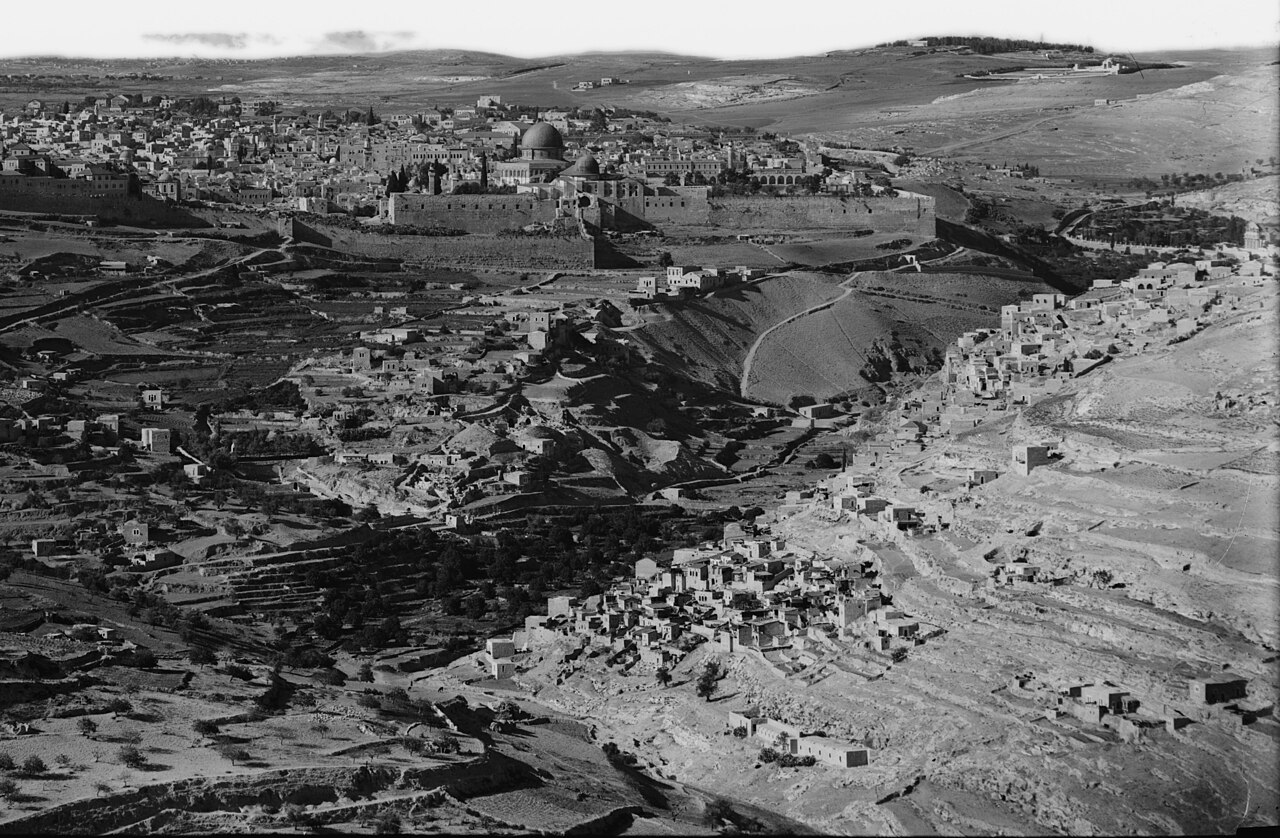
Isaiah 33: Thine Eyes Shall See the King
Woe to the destroyer, a prayer for help, who may dwell with the devouring fire, and Zion untroubled
"Woe to thee that spoilest, and thou wast not spoiled; and dealest treacherously, and they dealt not treacherously with thee!… O Lord, be gracious unto us; we have waited for thee" (33:1–2).
"The highways lie waste, the wayfaring man ceaseth: he hath broken the covenant, he hath despised the cities" (v. 8). "Who among us shall dwell with the devouring fire? who among us shall dwell with everlasting burnings? He that walketh righteously, and speaketh uprightly; he that despiseth the gain of oppressions, that shaketh his hands from holding of bribes" (vv. 14–15).
"Thine eyes shall see the king in his beauty: they shall behold the land that is very far off… Where is the scribe? where is the receiver? where is he that counted the towers?… For the Lord is our judge, the Lord is our lawgiver, the Lord is our king; he will save us… And the inhabitant shall not say, I am sick" (vv. 17–24).
| Verses | What it says | What to notice |
|---|---|---|
| 33:1 | Woe to the destroyer and betrayer; your turn will come | Often read of Assyria (see below). |
| 33:2–6 | Prayer: be gracious, be our arm every morning; God exalted, Zion filled with justice; the fear of the LORD its treasure | A communal lament. |
| 33:7–9 | Heroes cry, envoys of peace weep; roads empty; covenant broken; Lebanon, Sharon, Bashan, Carmel wither | A failed peace mission. |
| 33:10–12 | Now I will arise: you conceive chaff; nations burned like lime | God's answer. |
| 33:13–16 | Sinners in Zion tremble: who can live with the consuming fire? The righteous, honest, bribe-refusing; he will dwell on the heights | An entrance liturgy like Psalms 15 and 24. |
| 33:17–19 | Your eyes will see the king in his beauty; you will recall the terror: where is the tax counter? You will not see the people of unintelligible speech | Assyrian officials gone. |
| 33:20–22 | Zion a tent whose pegs never move; the LORD a place of broad rivers where no warship sails; judge, lawgiver, king | Jerusalem has no river; God is its river. |
| 33:23–24 | Your rigging hangs loose, yet the lame take the spoil; no one says "I am sick"; sins forgiven | Healing and forgiveness together. |
Which destroyer and which covenant?
Many read 33:1, 8 of Sennacherib, who (in 2 Kings 18:14–17) received Hezekiah's tribute and still sent his army against Jerusalem. Others think of a later empire. The text does not name the destroyer or the covenant, and the site does not assign a definite treaty violation.
"The king in his beauty"
Is the king of 33:17 God (as v. 22 says, "the LORD is our king") or a future Davidic king (as in 32:1)? The Targum reads "the glory of the Shekinah of the King of the worlds" (reported); Christian readers have often read it of Christ. Both readings appear in the tradition.
Judge, lawgiver, king (33:22)
A popular modern claim says this verse inspired the three branches of the United States government (judicial, legislative, executive). The framers' documented sources for the separation of powers were Montesquieu and English constitutional history; no founding document cites Isaiah 33:22. The verse describes God's complete rule over Zion. The site records the claim as a later reading, not established history.
"Where is the scribe?"
In 1 Corinthians 1:20 Paul asks "Where is the wise? where is the scribe? where is the disputer of this world?", echoing 33:18 (and 19:12). Isaiah's "scribe" and "weigher" are the occupier's tax officials; Paul turns them into the wise of the world.
What the evidence shows
- Isaiah 33:14–16 resembles the entrance liturgies of Psalms 15 and 24.
- Isaiah 33:22 inspired the three branches of the US government. A popular claim without documentary support.
- The destroyer of 33:1 is Sennacherib.
Continue the journey
Connected elsewhere in ScripturePsalm 15: Who May Dwell on Your Holy Hill?Psalms 15; 24:3–6: Who may dwell on God's holy hill.More from this lesson
Why this matters to the rest of Scripture
- Psalms 15; 24:3–6Who may dwell on God's holy hill.
- "Where is the scribe?"
- A river whose streams make glad the city of God.
- Tribute paid, and the army still came.