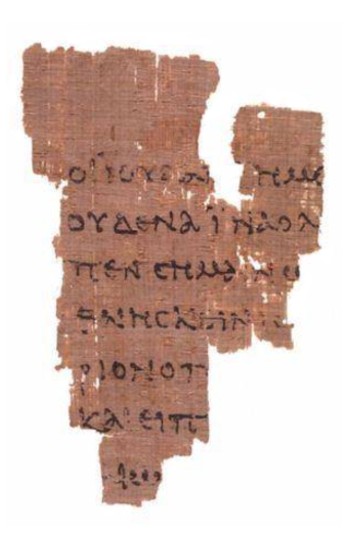
Investigation: The Servant's Speech, Isaiah 50:4–9
A disciple's tongue, a beaten back, a face like flint, and how far the passion narratives echo it
"The Lord God hath given me the tongue of the learned (limmudim, 'disciples'), that I should know how to speak a word in season to him that is weary: he wakeneth morning by morning, he wakeneth mine ear to hear as the learned. The Lord God hath opened mine ear, and I was not rebellious, neither turned away back" (50:4–5).
"I gave my back to the smiters, and my cheeks to them that plucked off the hair: I hid not my face from shame and spitting. For the Lord God will help me; therefore shall I not be confounded: therefore have I set my face like a flint, and I know that I shall not be ashamed" (vv. 6–7).
"He is near that justifieth me; who will contend with me? let us stand together: who is mine adversary? let him come near to me. Behold, the Lord God will help me; who is he that shall condemn me?" (vv. 8–9).
| Line | Hebrew (Masoretic Text) | Great Isaiah Scroll (described) | Library's Greek (Giguet) | Notes |
|---|---|---|---|---|
| 50:4a | "the tongue of disciples" (limmudim) | Same, with a word partly written | "a tongue of instruction" | Limmudim: those taught (8:16, "my disciples") |
| 50:4b–5 | Ear wakened morning by morning; not rebellious, not turned back | Same in substance; "the LORD God" written as "God" in one place | Similar | The servant is first a listener |
| 50:6a | "my back to those who strike, my cheeks to those who pluck (the beard)" | A different word for the second group, uncertain in meaning (perhaps "strike") | "my back to scourges, my cheeks to blows (rhapismata)" | Beard-plucking: a grave insult (2 Samuel 10:4; Nehemiah 13:25) |
| 50:6b | "I did not hide my face from insults and spitting" | "I did not turn aside my face" | "I did not turn my face from the shame of spittings (emptysmata)" | Spitting: Numbers 12:14; Deuteronomy 25:9 |
| 50:7 | "I set my face like flint" | Same | "I set my face like a solid rock" | Compare Ezekiel 3:8–9 |
| 50:8–9 | "My vindicator is near; who will contend… who will condemn me?" | Same in substance (1QIsa-b preserves vv. 7–9) | Similar | Courtroom language |
| New Testament text | Shared wording with Isaiah 50:4–9 | Does it cite Isaiah? | Strength of the connection |
|---|---|---|---|
| Mark 14:65 (after the hearing before the council): "some began to spit on him… and to strike him… and the officers received him with slaps (rhapismasin)" | "spit" (emptyein) and "slaps" (rhapisma), both in the Greek of 50:6 | No | Shared vocabulary in a similar scene; possible allusion |
| Matthew 26:67: "they spat in his face and struck him; and others slapped (erapisan) him" | "spat," "face," "slapped" | No | As Mark; Matthew adds "in his face" |
| Mark 15:19; Matthew 27:30 (soldiers' mockery): spitting and striking his head | "spit" | No | Weaker: soldiers' mockery, different setting |
| Mark 15:15; John 19:1: Jesus flogged | Greek 50:6 "scourges" (mastigas); John uses a related verb | No | Flogging before crucifixion was Roman practice; the shared word may be coincidence |
| Luke 9:51: "he stedfastly set his face to go to Jerusalem" | "set his face" (compare 50:7) | No | Possible; "set the face" is also common prophetic idiom (Ezekiel 6:2) |
| Romans 8:33–34: "It is God that justifieth. Who is he that condemneth?" | Near-verbatim echo of the Greek of 50:8–9 | No, but close wording | Strong verbal allusion, applied to believers |
What the text says, and what it does not
The poem describes beating, beard-plucking and spitting: public humiliation, not execution. Its speaker is never called "servant" in vv. 4–9 (v. 10 speaks of "his servant"), and he is a disciple before he is a teacher. His vindication is legal and future ("He is near that justifieth me"). Connecting it with Song 4 (where the servant dies) is reasonable in the book's context but is an inference.
Ancient Jewish reading
Jewish interpreters generally read 50:4–9 as the prophet speaking of his own mission and mistreatment (as Jeremiah was beaten and put in stocks, Jeremiah 20:2), or of Israel's faithful remnant enduring insult in exile. The Targum makes the speaker explicitly the prophet (reported).
Early Christian reading
The Gospels do not cite Isaiah 50, but early Christian writers did: the Epistle of Barnabas (5:14, early 2nd century) and Justin Martyr apply 50:6–7 to Jesus' passion (reported). The Gospel scenes' shared vocabulary with the Greek may show that the evangelists, or the tradition before them, told the story with Isaiah in mind; it may also simply reflect the ordinary words for such abuse in Greek.
What historians can establish
Roman crucifixion was routinely preceded by flogging and often by mockery; that Jesus was beaten and mocked before his death is historically plausible and attested in all four Gospels in different forms. Historians cannot determine from the wording alone whether the evangelists shaped their accounts to echo Isaiah, or whether the echo was recognized afterward. The site rates each connection by the evidence: shared wording, citation, or neither.
What the evidence shows
- Isaiah 50:6 describes beating, beard-plucking and spitting.
- Mark 14:65 shares the words "spit" and "slaps" with the Greek of Isaiah 50:6.
- Mark 14:65 is a deliberate allusion to Isaiah 50:6. Possible; the words are also ordinary vocabulary.
- Romans 8:33–34 echoes Isaiah 50:8–9.
- Isaiah 50:4–9 predicts Jesus' passion. Early Christian reading; Jewish interpreters read the prophet or Israel.
Continue the journey
Journey of a PassageIsaiah 50:4–9: "I gave my back to the smiters": the third Servant Song and the passion narratives"I gave my back to the smiters, and my cheeks to them that plucked off the hair: I hid not my face from shame and spitting." The Great Isaiah Scroll has a different, uncertain word for the attackers.More from this lesson
Why this matters to the rest of Scripture
- Mark 14:65; Matthew 26:67Spat upon and struck.
- God who justifies.
- A prophet beaten and vindicated.
- A forehead like flint.