Isaiah 60: Arise, Shine
Light on Zion, the wealth of the nations, gates never shut, and the LORD as everlasting light
"Arise, shine; for thy light is come, and the glory of the LORD is risen upon thee. For, behold, the darkness shall cover the earth, and gross darkness the people: but the LORD shall arise upon thee, and his glory shall be seen upon thee. And the Gentiles shall come to thy light, and kings to the brightness of thy rising. Lift up thine eyes round about, and see: all they gather themselves together, they come to thee: thy sons shall come from far, and thy daughters shall be nursed at thy side" (60:1–4).
"The multitude of camels shall cover thee, the dromedaries of Midian and Ephah; all they from Sheba shall come: they shall bring gold and incense; and they shall shew forth the praises of the LORD. All the flocks of Kedar shall be gathered together unto thee, the rams of Nebaioth shall minister unto thee… Surely the isles shall wait for me, and the ships of Tarshish first, to bring thy sons from far, their silver and their gold with them" (vv. 6–9).
"And the sons of strangers shall build up thy walls, and their kings shall minister unto thee… Therefore thy gates shall be open continually; they shall not be shut day nor night; that men may bring unto thee the forces of the Gentiles… The glory of Lebanon shall come unto thee, the fir tree, the pine tree, and the box together… and they shall call thee, The city of the LORD, The Zion of the Holy One of Israel" (vv. 10–14). "Violence shall no more be heard in thy land… but thou shalt call thy walls Salvation, and thy gates Praise" (v. 18).
"The sun shall be no more thy light by day; neither for brightness shall the moon give light unto thee: but the LORD shall be unto thee an everlasting light, and thy God thy glory… Thy people also shall be all righteous: they shall inherit the land for ever… A little one shall become a thousand, and a small one a strong nation: I the LORD will hasten it in his time" (vv. 19–22).
| Verses | What it says | What to notice |
|---|---|---|
| 60:1–3 | Arise, shine; your light has come; darkness on the peoples; nations and kings come to your light | Zion addressed as a woman. The Greek and Latin add "Jerusalem." |
| 60:4–5 | Sons from afar, daughters carried on the hip; the sea's abundance and the nations' wealth turn to you | Reverses 49:18–22; the exiles return. |
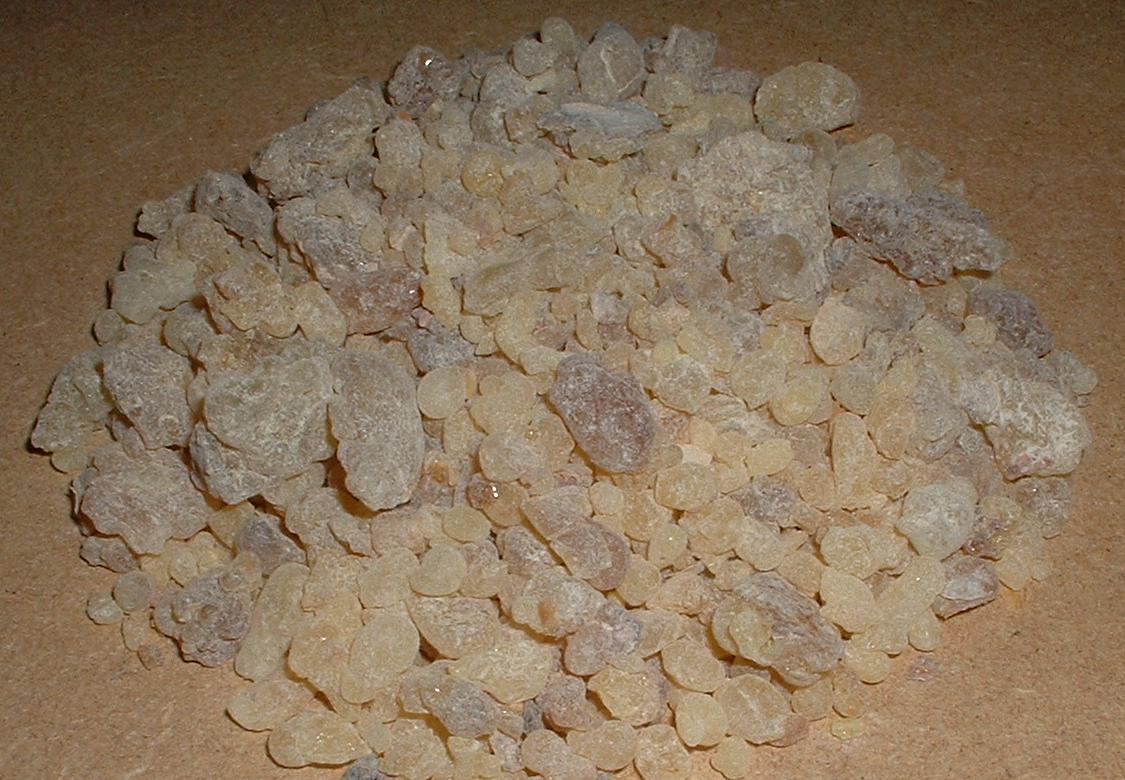
| 60:6–7 | Camels of Midian and Ephah; from Sheba gold and frankincense; flocks of Kedar, rams of Nebaioth on my altar | Arabian trade peoples: Midian (northwest Arabia), Ephah (a Midianite clan, Genesis 25:4), Sheba (southwest Arabia), Kedar and Nebaioth (north Arabian tribes). |
| 60:8–9 | Who fly like clouds, like doves? The coastlands wait; Tarshish ships bring your children with silver and gold | Tarshish: a far western port (perhaps Tartessos in Spain). |
| 60:10–12 | Foreigners rebuild walls; kings serve; gates open day and night; the nation that will not serve perishes | Revelation 21:25–26: gates never shut; kings bring their glory. |
| 60:13–14 | Lebanon's trees for the sanctuary; oppressors' sons bow; City of the LORD, Zion of the Holy One of Israel | Cedar and other woods, as for Solomon's temple (1 Kings 5) and the second temple (Ezra 3:7). |
| 60:15–16 | Once forsaken and hated, now eternal pride; you will suck the milk of nations and the breast of kings | Maternal images reversed: Zion nursed by the nations. |
| 60:17–18 | Gold for bronze, silver for iron; Peace as your overseer, Righteousness your taskmaster; no more violence; walls Salvation, gates Praise | The words for government ("officers," "exactors") renamed as peace and righteousness. |
| 60:19–20 | No sun or moon: the LORD your everlasting light; your mourning ended | Revelation 21:23; 22:5. |
| 60:21–22 | Your people all righteous, a shoot of my planting; the least a thousand; I will hasten it in its time | "Branch of my planting": compare 61:3. |
Trade goods and trade peoples
The chapter names the caravan peoples of Arabia and the seafarers of the Mediterranean. Frankincense and myrrh came from south Arabia (Yemen and Oman) by camel caravan through the Hejaz and Edom to Gaza and Damascus; Assyrian and Babylonian inscriptions name the Qedarites (Kedar) and the Nabaiati, and the Persian kings received incense as a gift from the Arabs (Herodotus 3.97, reported). The images draw on real trade. They do not report a documented influx of named shipments into Persian-period Jerusalem, which archaeologists describe as small and modest.
Imperial wealth imagery
Kings bringing tribute, foreigners rebuilding walls, oppressors bowing: the vision uses the language of empire. Persian reliefs at Persepolis show delegations from every province bringing gifts to the king; Assyrian annals list tribute from conquered rulers. Isaiah 60 gives that picture to Zion and its God. Readers have responded in different ways: as hope for a humiliated people, as an anticipation of the nations' worship (60:3, 6 "shew forth the praises of the LORD"), and, critically, as a reversal that still imagines one people's wealth drawn from others. The site states the imagery plainly and leaves the evaluation to the reader (INV-11).
Revelation 21 and the magi
Revelation 21:23–26 reuses 60:3, 11 and 19: the city has no need of sun or moon, its gates are never shut, the kings of the earth bring their glory into it. Revelation adds the Lamb as its lamp. Matthew 2:11's magi bring gold, frankincense and myrrh; Matthew does not cite Isaiah 60 (or Psalm 72:10–11), but later Christian tradition read these texts together and made the magi kings. The Epiphany liturgy in many churches uses 60:1–6 as its first reading.
The size of the city
Excavations in Jerusalem show that the city of the Persian period was much smaller than the city destroyed in 587 BC; estimates of its population vary widely and are debated. Isaiah 60 is addressed to a place that needed rebuilding and repopulation ("a little one shall become a thousand"). Nehemiah 7:4 says "the city was large and great: but the people were few therein."
What the evidence shows
- Isaiah 60:6 names Midian, Ephah and Sheba with gold and incense.
- Isaiah 60 describes a documented arrival of foreign wealth in Persian-period Jerusalem. A prophetic vision; no such record.
- Revelation 21:23–26 reuses Isaiah 60.
- Matthew 2:11 cites Isaiah 60:6. It does not; the connection is later tradition.
Continue the journey
Journey of a PassageIsaiah 60:1–3: "Arise, shine; for thy light is come": Zion's dawn and the nations"Arise, shine; for thy light is come, and the glory of the Lord is risen upon thee.More from this lesson
Investigations
Optional deep dives: the ancient sources, the physical evidence, and every interpretation side by side, including unconventional ones, each labeled for what it is.
The Yehud Stamp ImpressionsProvince of Yehud: documented · Link to specific events or persons in Ezra: none
What do the jar handles stamped "Yehud" tell us about the Persian province?
Jar handles stamped in Aramaic script with YHD or YHWD ("Yehud"), sometimes with a name or the title "governor," were used by the Persian and early Hellenistic administration of Judah. Most come from Ramat Rahel and Jerusalem; a 2020 tabulation counts several hundred from Ramat Rahel. Together with 4th-century YHD coins, they show a province called Yehud. They do not name Ezra, Zerubbabel or Nehemiah.
Open the full investigation →Why this matters to the rest of Scripture
- Revelation 21:22–26; 22:5No need of the sun.
- Kings of Sheba and Seba bring gifts.
- Gold, frankincense and myrrh.
- "The desire of all nations shall come."