Isaiah 49: A Light to the Gentiles
The servant called from the womb, a mission too small for one nation, and Zion who thought she was forgotten
"Listen, O isles, unto me; and hearken, ye people, from far; The Lord hath called me from the womb… And he hath made my mouth like a sharp sword… and made me a polished shaft; in his quiver hath he hid me; And said unto me, Thou art my servant, O Israel, in whom I will be glorified. Then I said, I have laboured in vain, I have spent my strength for nought" (49:1–4).
"And he said, It is a light thing that thou shouldest be my servant to raise up the tribes of Jacob, and to restore the preserved of Israel: I will also give thee for a light to the Gentiles, that thou mayest be my salvation unto the end of the earth" (v. 6).
"But Zion said, The Lord hath forsaken me, and my Lord hath forgotten me. Can a woman forget her sucking child, that she should not have compassion on the son of her womb? yea, they may forget, yet will I not forget thee. Behold, I have graven thee upon the palms of my hands; thy walls are continually before me" (vv. 14–16).
| Verses | What it says | What to notice |
|---|---|---|
| 49:1–3 | The servant: called from the womb, mouth a sword, a hidden arrow; "You are my servant, Israel, in whom I will be glorified" | The second "Servant Song" (49:1–6). The servant speaks. |
| 49:4 | I labored in vain; yet my right is with the LORD | Discouragement, like Jeremiah's (Jeremiah 15:10–18). |
| 49:5 | Formed to bring Jacob back and gather Israel to him | Written text: "Israel is not gathered"; read text and the Great Isaiah Scroll: "gathered to him." |
| 49:6 | Too small a thing to restore Jacob's tribes: a light to the nations, my salvation to earth's end | Quoted in Acts 13:47; echoed in Luke 2:32. |
| 49:7 | To one despised, the servant of rulers: kings will see and stand, princes bow | Anticipates 52:13–15. |
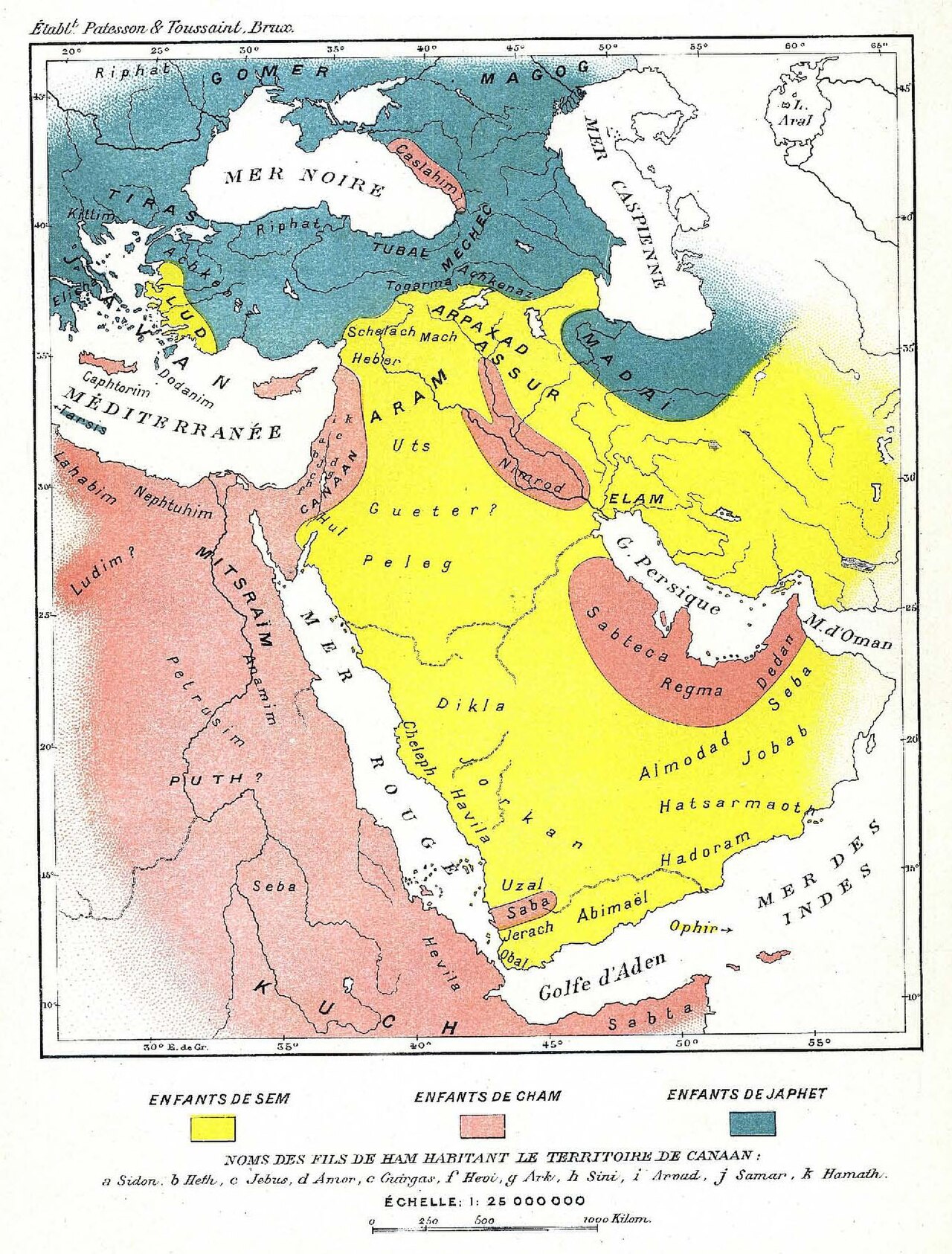
| 49:8–13 | In a time of favor I answered you; a covenant for the people; say to prisoners, Come out; springs on the way; from north, west and Sinim | Quoted in 2 Corinthians 6:2. Sinim: probably Syene (Aswan); the scroll reads "Syenians." |
| 49:14–16 | Zion: the LORD has forgotten me. Can a mother forget her nursing child? I have engraved you on my palms | One of the Bible's strongest maternal images of God. |
| 49:17–23 | Your children hurry back; the land too small; kings as foster fathers, queens as nursing mothers | Reversal of exile. |
| 49:24–26 | Can prey be taken from the mighty? I will contend with your opponents and save your children | Harsh imagery of the oppressors' fate. |
Exiles and the end of the earth
By the late 6th century Judeans lived in Babylonia, Egypt (Elephantine, near Syene/Aswan), and elsewhere. "These from the land of Sinim" (49:12) has been read as China (an old guess) but is most likely Syene; the Great Isaiah Scroll's "Syenians" (described from a transcription) supports that. "The end of the earth" in Isaiah is the horizon of the known world, not a modern map.
"Israel" who restores Israel (49:3, 5–6)
Verse 3 names the servant Israel; verses 5–6 give him a mission to Israel. Interpreters resolve the tension differently: the servant is the faithful Israel (or the prophet) who represents and restores the whole people; or an individual who embodies Israel's calling; or (a minority proposal) "Israel" in v. 3 was added by a scribe, since one late Hebrew manuscript lacks it (reported). All ancient witnesses read "Israel" there, including the Great Isaiah Scroll, 1QIsa-b and 4QIsa-d (described from transcriptions), the Greek and the Vulgate. See "Who Is the Servant?"
A light to the nations in the New Testament
In Luke 2:32 Simeon, holding the infant Jesus, calls him "a light to lighten the Gentiles" (echoing 42:6 and 49:6). In Acts 13:47 Paul and Barnabas apply 49:6 to their own mission: "For so hath the Lord commanded us, saying, I have set thee to be a light of the Gentiles." In 2 Corinthians 6:2 Paul quotes 49:8, "Behold, now is the accepted time." The same verse is applied to Jesus, to apostles, and to the present moment: three different uses, not one.
Mother and engraver
"Can a woman forget her sucking child?" (49:15) and "as one whom his mother comforteth" (66:13) are among the Hebrew Bible's clearest maternal images for God. "I have graven thee upon the palms of my hands" (49:16) may refer to marks or names inscribed on the hand (compare 44:5). Zion personified as a bereaved mother runs through 49–54.
What the evidence shows
- Isaiah 49:3 names the servant "Israel" in all ancient witnesses. Including 1QIsa-a, 1QIsa-b, 4QIsa-d (described from transcriptions).
- Acts 13:47 applies Isaiah 49:6 to Paul and Barnabas.
- Sinim in 49:12 refers to China. Most scholars read Syene (Aswan).
Continue the journey
Journey of a PassageIsaiah 49:1–6: "A light to the Gentiles": the second Servant Song"Thou art my servant, O Israel, in whom I will be glorified… It is a light thing that thou shouldest be my servant to raise up the tribes of Jacob… I will also give thee for a light to the Gentiles." The servant is named Israel in every ancient witness, yet sent to restore Israel.More from this lesson
Why this matters to the rest of Scripture
- Acts 13:46–47; Luke 2:29–32A light to the Gentiles.
- "Now is the accepted time."
- Jeremiah 1:5; Galatians 1:15Called from the womb.
- As a mother comforts.