Isaiah 3: The Collapse of Leadership
Children as rulers, the poor ground down, and the fine adornments of Zion's women
"For, behold, the Lord, the LORD of hosts, doth take away from Jerusalem and from Judah the stay and the staff, the whole stay of bread, and the whole stay of water, the mighty man, and the man of war, the judge, and the prophet, and the prudent, and the ancient" (3:1–2). "And I will give children to be their princes, and babes shall rule over them" (v. 4).
Things will be so bad that a man will grab his brother and say, "Thou hast clothing, be thou our ruler, and let this ruin be under thy hand"; and the brother will refuse: "I will not be an healer" (vv. 6–7). "For Jerusalem is ruined, and Judah is fallen: because their tongue and their doings are against the LORD" (v. 8).
"The LORD will enter into judgment with the ancients of his people, and the princes thereof: for ye have eaten up the vineyard; the spoil of the poor is in your houses. What mean ye that ye beat my people to pieces, and grind the faces of the poor? saith the Lord GOD of hosts" (vv. 14–15).
"Because the daughters of Zion are haughty, and walk with stretched forth necks and wanton eyes, walking and mincing as they go, and making a tinkling with their feet" (v. 16), God will strip away "the bravery of their tinkling ornaments about their feet, and their cauls, and their round tires like the moon, the chains, and the bracelets… the rings, and nose jewels, the changeable suits of apparel… and the veils" (vv. 18–23). "Instead of sweet smell there shall be stink… and burning instead of beauty" (v. 24). The men fall by the sword; the city's gates mourn (vv. 25–26).
| Verses | What it says | What to notice |
|---|---|---|
| 3:1–3 | God removes the supports: bread, water, warriors, judges, prophets, diviners, elders, counselors, craftsmen | A society's whole leadership class. |
| 3:4–5 | Youths and the capricious will rule; people oppress each other; the young insult the old | Social order inverted. |
| 3:6–7 | No one will accept leadership of the ruin | "I will not be a healer." |
| 3:8–9 | Jerusalem stumbles; their faces show their guilt like Sodom | "They declare their sin as Sodom." |
| 3:10–11 | It will be well with the righteous; woe to the wicked | Wisdom-like saying inside the oracle. |
| 3:12 | Children and women rule; leaders mislead | Hebrew and Greek differ: "creditors" (Greek) or "women" (MT). |
| 3:13–15 | God in court against elders and princes: the vineyard eaten, the poor ground down | The vineyard theme leads into chapter 5. |
| 3:16–17 | The haughty daughters of Zion and their judgment | Elite women of the capital. |
| 3:18–23 | Twenty-one items of jewelry and clothing removed | One of the Bible's richest lists of ancient adornment. |
| 3:24–26 | Stench for perfume, rope for sash, baldness, sackcloth, branding; the men fall; the gates mourn | War's consequences, including captivity. |
The jewelry of 3:18–23
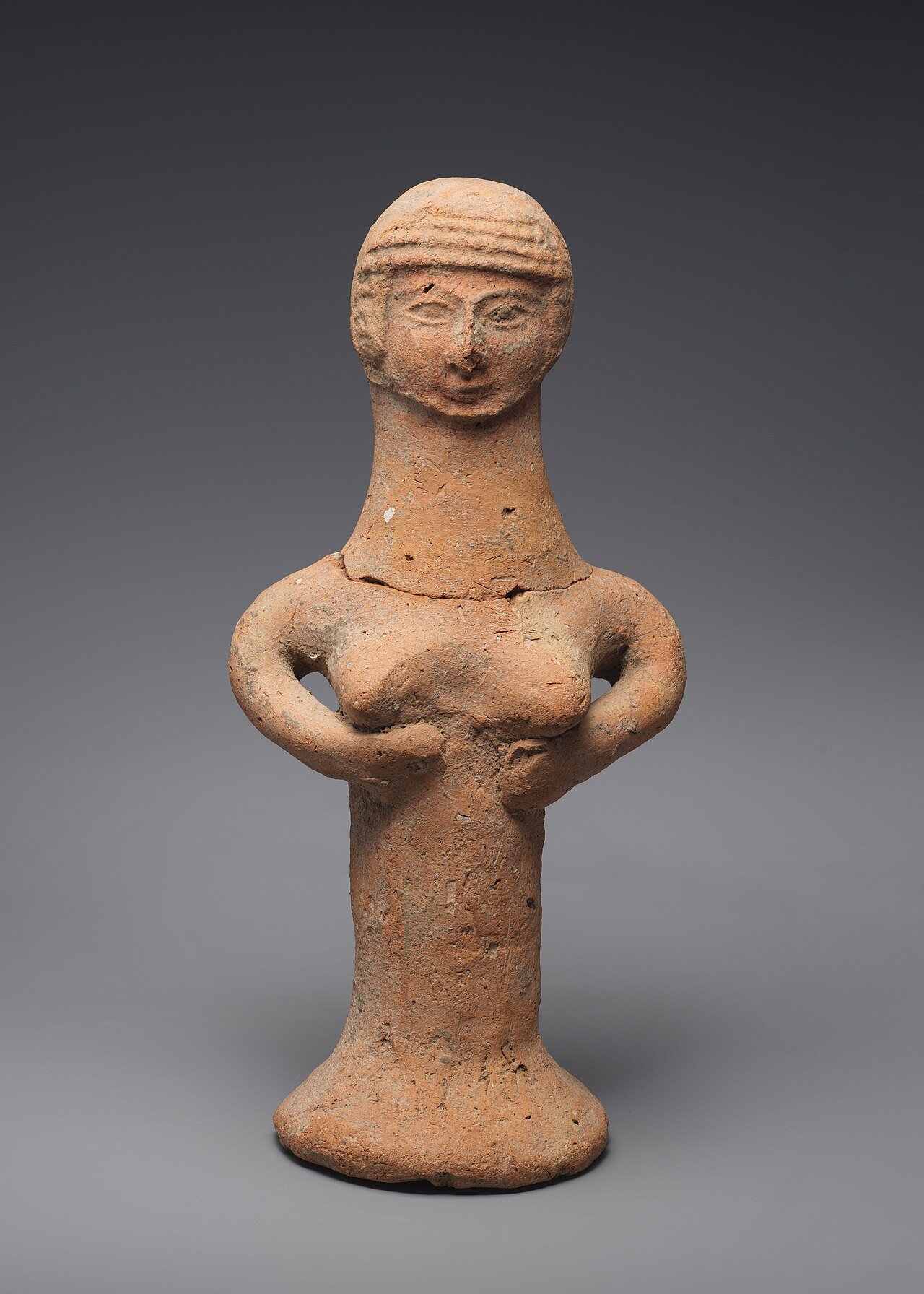
The list includes anklets, headbands (or sun-discs), crescent pendants (saharonim, like the moon-shaped amulets found across the Levant), earrings, bracelets, veils, headdresses, armlets, sashes, perfume boxes ("houses of the soul"), amulets, signet rings, nose rings, festal robes, cloaks, purses, mirrors (or garments), linen, turbans and veils. Many of these words occur only here, and identifications are approximate. Excavations in Iron Age Judah have produced crescent pendants, earrings, bracelets and anklets of bronze and silver, and Egyptian-style amulets. They illustrate the culture; they do not identify any particular woman.
Reading 3:16–4:1 responsibly
The oracle targets the wives and daughters of Jerusalem's wealthy rulers, the same class accused in vv. 14–15 of grinding the poor. Its images of shame (stripping, baldness, branding) reflect what conquered women suffered in ancient war; the text uses that grim reality as a threat. Readers should not generalize it into a condemnation of women, adornment or beauty, nor read it as approving violence against women. It belongs to a prophetic critique of an elite whose luxury rested on exploitation (compare Amos 4:1, "ye kine of Bashan… which oppress the poor").
3:12: women or creditors?
The Masoretic Text reads "children are their oppressors, and women (nashim) rule over them." With different vowels the same letters can be read noshim, "creditors" or "usurers"; the library's Greek reads "exactors" and "those who demand," supporting a financial sense. The parallel with oppression and the theme of exploited poor make "creditors" attractive to many scholars. The passage should not be quoted as a general statement against women leaders.
What the evidence shows
- Many items in the list of 3:18–23 are uncertainly identified.
- Isaiah 3:16–4:1 condemns women in general. It targets the elite of Jerusalem who profited from oppression.
- Isaiah 3:12 can be read "creditors" instead of "women." Same consonants; the Greek supports a financial sense.
Continue the journey
Connected elsewhere in ScriptureEcclesiastes 10: Dead Flies and Flying BirdsEcclesiastes 10:16: "Woe to thee, O land, when thy king is a child."More from this lesson
Why this matters to the rest of Scripture
- "Ye kine of Bashan… which oppress the poor."
- Rulers who "eat the flesh of my people."
- "Woe to thee, O land, when thy king is a child."
- The vineyard that God's leaders "have eaten up."