Era 4 · Covenant and WildernessDeuteronomy
Divorce, Pledges, Wages, and the Vulnerable
"At his day thou shalt give him his hire"
"When a man hath taken a wife… and it come to pass that she find no favour in his eyes, because he hath found some uncleanness in her: then let him write her a bill of divorcement, and give it in her hand." If she marries another and he too divorces her or dies, "her former husband… may not take her again to be his wife."
"When a man hath taken a new wife, he shall not go out to war… he shall be free at home one year, and shall cheer up his wife." "No man shall take the nether or the upper millstone to pledge: for he taketh a man's life to pledge." A creditor must not enter his neighbor's house for a pledge; and if the man is poor, "thou shalt deliver him the pledge again when the sun goeth down, that he may sleep in his own raiment."
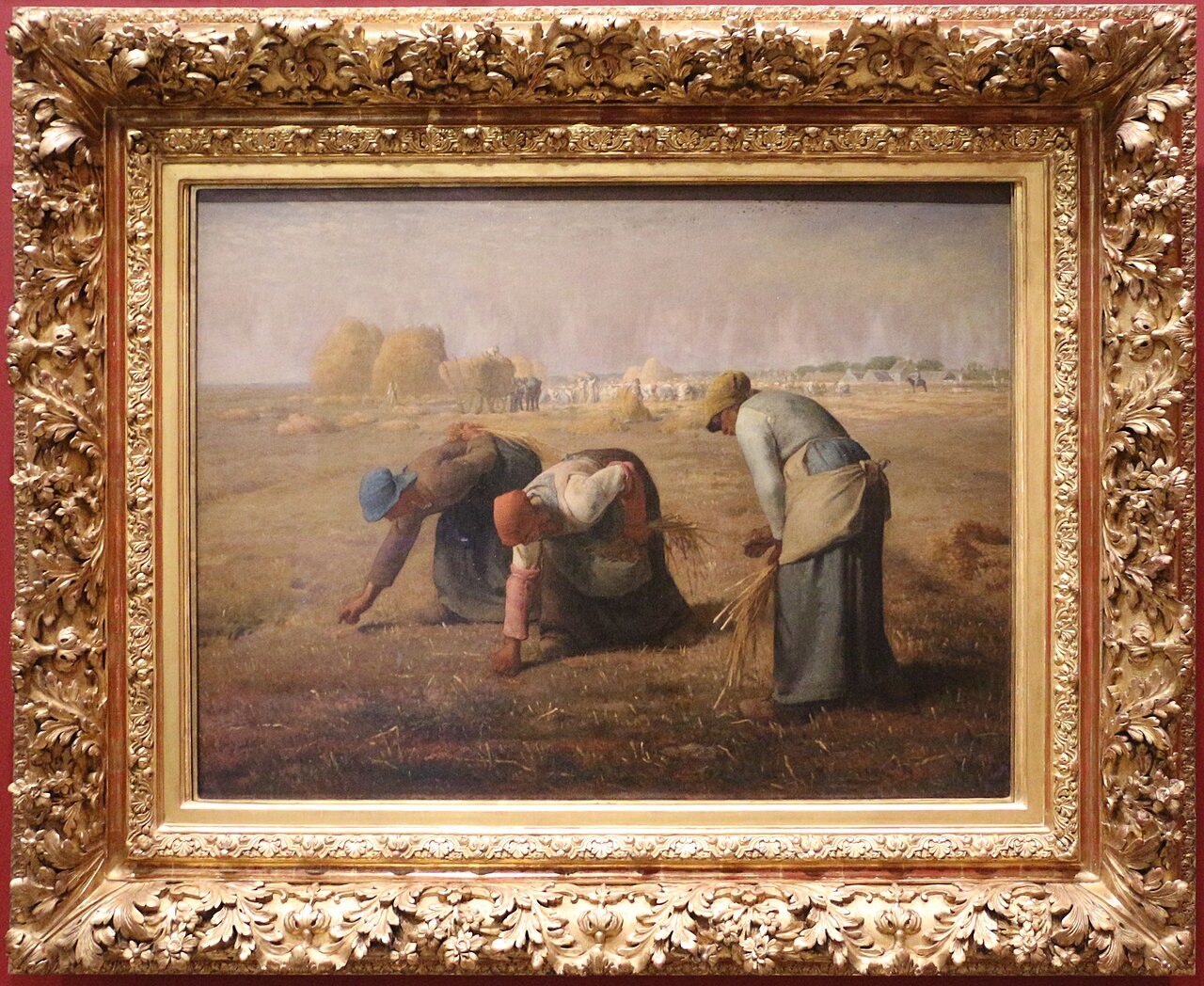
"Thou shalt not oppress an hired servant that is poor and needy… At his day thou shalt give him his hire… for he is poor, and setteth his heart upon it." "The fathers shall not be put to death for the children, neither shall the children be put to death for the fathers: every man shall be put to death for his own sin." When you reap and forget a sheaf, leave it; do not go over the olive branches or grapes a second time: "it shall be for the stranger, for the fatherless, and for the widow. And thou shalt remember that thou wast a bondman in the land of Egypt."
What the divorce law says
Deuteronomy 24:1–4 does not command divorce; it assumes divorce happens with a written certificate and forbids one specific thing, remarriage to the first husband after an intervening marriage. The grounds, "some uncleanness" ('ervat davar, "a matter of nakedness"), became a famous dispute: the school of Shammai read it as sexual misconduct only; the school of Hillel allowed divorce for lesser causes (Mishnah Gittin 9:10). When Jesus is asked, he answers that Moses permitted it "because of the hardness of your hearts: but from the beginning it was not so" (Matthew 19:3–9; Mark 10:2–12).
Marriage and divorce documents survive from the Jewish community at Elephantine in Egypt (5th century BC), where either spouse could declare a divorce, and from the Judean Desert (2nd century AD), including a bill of divorce from Murabbaʿat (Mur 19, AD 71/72). They show such certificates in use; they are later than and different from the law.
Wages and pledges in the ancient world
A 7th-century BC ostracon from Mesad Hashavyahu (Yavneh-Yam) records a field worker's complaint to an official that his cloak was taken: "your servant was reaping… and he took your servant's garment… please return my garment." It shows the kind of situation 24:12–13 and Exodus 22:26–27 address, from the real life of a Judahite worker.
Each for his own sin
2 Kings 14:6 says King Amaziah did not kill the sons of his father's murderers, quoting this law. Ezekiel 18 develops the same principle. Hammurabi's laws, by contrast, could punish a builder's son if a house collapsed and killed the owner's son (§230).
The Case for the Biblical Account
Scripture's account
Divorce and remarriage, pledges, wages, individual responsibility, and gleaning (Deuteronomy 24).
What evidence would we expect?
Ancient divorce documents, wage disputes and pledge practices.
The discoveries
The Yavneh-Yam ostracon; Elephantine marriage contracts; Murabbaʿat divorce bill; Hammurabi §230 (vicarious punishment); 2 Kings 14:6.
Testing the discoveries
The Yavneh-Yam letter shows a real worker appealing about a seized garment in Judah.
The strongest reconstruction
Deuteronomy 24 addresses real economic and family vulnerabilities attested in Israel's world.
What remains possible
The exact meaning of 'ervat davar.
What the evidence shows
- The Yavneh-Yam ostracon records a worker asking for his seized garment.
- Hammurabi §230 punishes a builder's son for the death of an owner's son.
- Deuteronomy 24:1–4 commands divorce. It regulates remarriage after divorce.
- "Every man shall be put to death for his own sin."
Continue the journey
Echoes Across CivilizationsAncient law collectionsDid other ancient peoples have laws like those in the Book of the Covenant?More from this lesson
Echoes Across Civilizations
Optional: how other ancient peoples told similar stories. Open one to compare, then come back to the lesson.
Ancient law collectionsBabylonian · Sumerian and Babylonian
Did other ancient peoples have laws like those in the Book of the Covenant?
- Babylonian: The Laws of Hammurabi Shared literary world
- Sumerian and Babylonian: The Laws of Ur-Nammu, Lipit-Ishtar and Eshnunna Shared literary world
The widow in the fieldEgyptian · Judahite · Babylonian
Did other ancient peoples protect the poor, widows and strangers at harvest time?
- Egyptian: The Instruction of Amenemope, chapter 28 Possible historical contact
- Judahite: The Mesad Hashavyahu (Yavneh-Yam) ostracon Possible historical contact
- Babylonian: Royal claims to protect the widow and orphan Shared literary world
Why this matters to the rest of Scripture
- "Because of the hardness of your hearts."
- "Shall he return unto her again?"
- Return the garment by sundown.
- Ruth gleans in Boaz's field.
- "The son shall not bear the iniquity of the father."
- "The hire of the labourers… crieth."