Era 4 · Covenant and WildernessDeuteronomy
Neighbors, Clothing, Sexual Violence, and Marriage
"Thou shalt not see thy brother's ox or his sheep go astray, and hide thyself from them"
"Thou shalt not see thy brother's ox or his sheep go astray, and hide thyself from them: thou shalt in any case bring them again." The same for his donkey, his garment, "all lost thing of thy brother's." A woman shall not wear what pertains to a man, nor a man a woman's garment. If you find a bird's nest, take the young but "let the dam go… that it may be well with thee." "When thou buildest a new house, then thou shalt make a battlement for thy roof, that thou bring not blood upon thine house, if any man fall from thence."
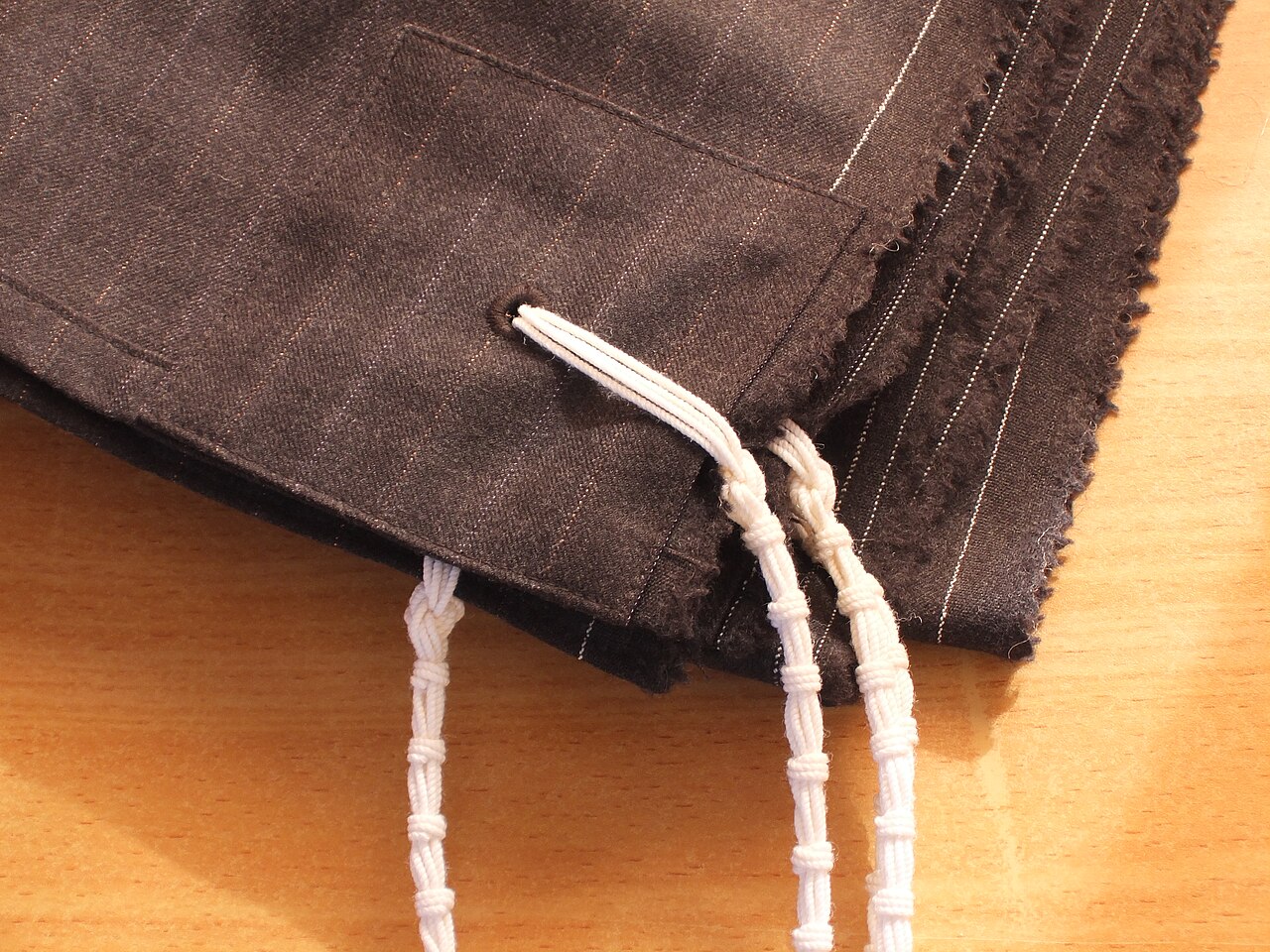
No two kinds of seed in a vineyard, no plowing with an ox and a donkey together, no garment "of divers sorts, as of woollen and linen together." "Thou shalt make thee fringes upon the four quarters of thy vesture."
Then laws on sexual conduct. A husband who falsely accuses his bride of not being a virgin is fined and may never divorce her; if the charge is true, she is stoned. Adultery with a married woman: both die. If a betrothed woman is lain with in a city, both die, "the damsel, because she cried not." "But if a man find a betrothed damsel in the field, and the man force her, and lie with her: then the man only that lay with her shall die: But unto the damsel thou shalt do nothing… For he found her in the field, and the betrothed damsel cried, and there was none to save her." If a man seizes an unbetrothed virgin and lies with her, he pays her father fifty shekels of silver, "and she shall be his wife… he may not put her away all his days."
Small laws, large ideas
- Lost property: neighborliness required, not optional, even for an enemy's animal (Exodus 23:4–5).
- Clothing (22:5): the Hebrew keli geber is literally "a man's gear," perhaps including weapons; its original purpose is debated (gender boundaries, or a ban on cross-dressing in foreign cult).
- The mother bird: one of two commandments with the promise of long life (the other is honoring parents).
- The parapet: liability for safety, an early building code.
- Sha'atnez: wool and linen together; the priests' garments mixed them (Exodus 28:6), which suggests the mix belonged to the holy.
- Tassels: compare Numbers 15:37–41.
City and field
Deuteronomy 22:23–27 assumes that a woman in a city could cry for help and be heard, so silence was read as consent; in the field no one could hear, so she is presumed innocent. The verb in 22:25 is chazaq, "seize, overpower." Middle Assyrian Laws (A §12) similarly distinguish a woman seized on the street who resists. These rules recognize force; they also judge a woman by whether she was heard.
Deuteronomy 22:28–29
The verb here is tafas, "take hold of, seize," a different word from chazaq in 22:25. Some scholars argue 22:28–29 therefore describes seduction or an act without the same violence, parallel to Exodus 22:16–17, where the father may refuse the marriage. Others argue that seizing is still force, and that the law gives the woman no choice and binds her to the man who did it. The text does not say what she wanted. It does forbid the man ever to divorce her, which in its world secured her support. All of these points belong in the picture.
The Case for the Biblical Account
Scripture's account
Neighborly duties, mixtures, tassels, and laws on marriage, adultery and sexual assault (Deuteronomy 22).
What evidence would we expect?
Ancient laws on the same subjects; textile evidence; later interpretation.
The discoveries
Middle Assyrian Laws A §§12–16 and 55–56; Hammurabi §§129–130; the Kuntillet Ajrud textiles, which include a wool-linen mix; rabbinic and later Jewish practice of sha'atnez.
Testing the discoveries
The legal situations are well paralleled. The Ajrud textiles mixing linen and wool come from a religious site, consistent with mixed fabric being associated with the sacred.
The strongest reconstruction
Deuteronomy 22 shares the legal concerns of the ancient Near East and adds its own concern for holiness and the vulnerable.
What remains possible
The exact meaning of 22:5 and the nature of the act in 22:28–29.
What the evidence shows
- Deuteronomy 22:25 uses chazaq (overpower); 22:28 uses tafas (seize).
- Middle Assyrian Laws distinguish a woman seized in the street who resists.
- Deuteronomy 22:28–29 describes rape rather than seduction.
- These laws express modern consent.
- Textiles mixing wool and linen were found at Kuntillet Ajrud.Source: Z. Meshel, Kuntillet ʿAjrud (Ḥorvat Teman): An Iron Age II Religious Site (2012)
Continue the journey
Journey of a PassageDeuteronomy 22:28–29: Seizing an unbetrothed woman: what the words sayThe same Hebrew stands in every witness checked.More from this lesson
Echoes Across Civilizations
Optional: how other ancient peoples told similar stories. Open one to compare, then come back to the lesson.
Ancient law collectionsBabylonian · Sumerian and Babylonian
Did other ancient peoples have laws like those in the Book of the Covenant?
- Babylonian: The Laws of Hammurabi Shared literary world
- Sumerian and Babylonian: The Laws of Ur-Nammu, Lipit-Ishtar and Eshnunna Shared literary world
Why this matters to the rest of Scripture
- The seduction law; the father may refuse.
- An enemy's ox.
- Mixed kinds.
- Tassels.
- Tamar's plea to Amnon.
- The woman taken in adultery.