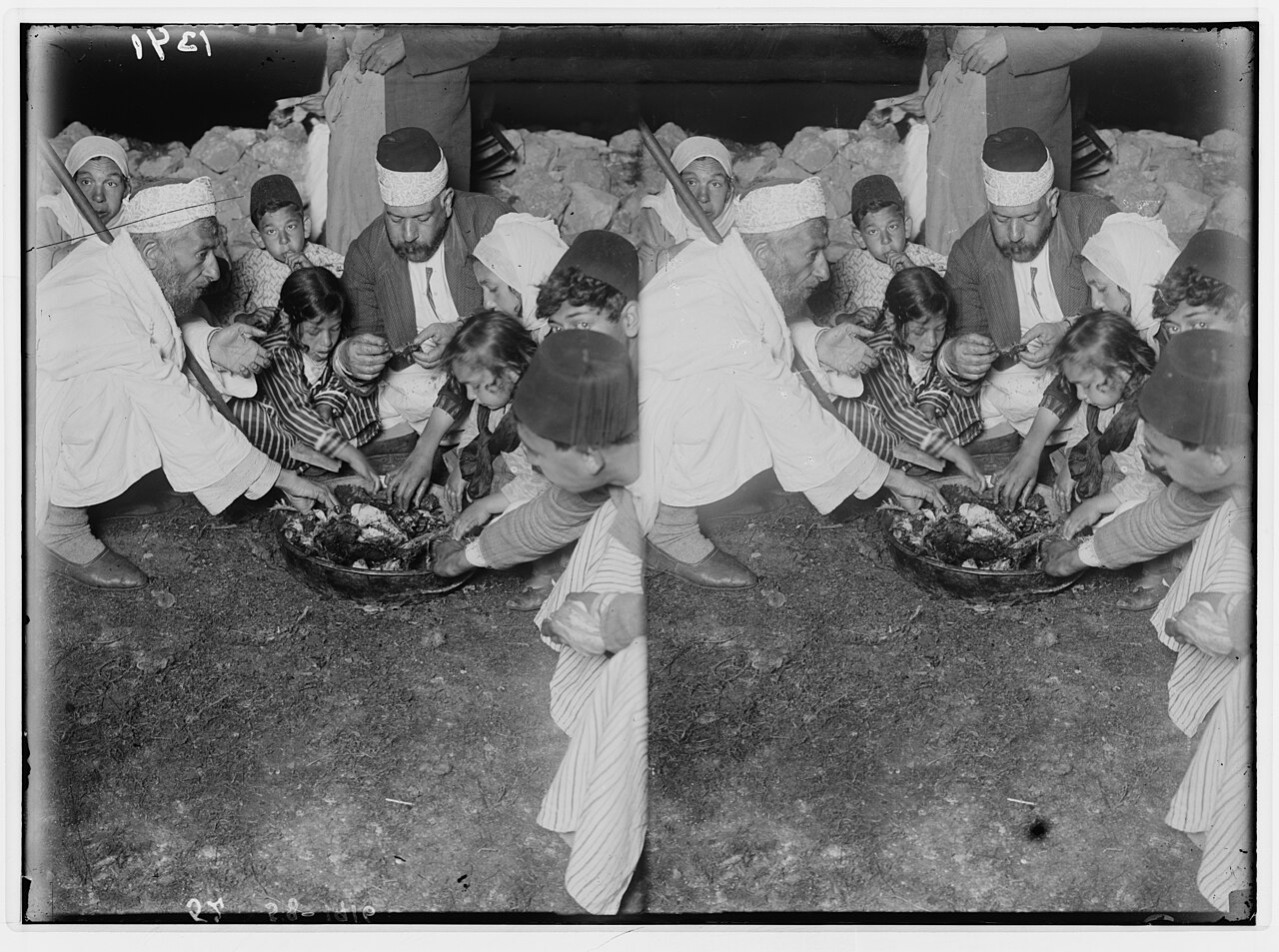
A Passover for North and South
"The good LORD pardon every one that prepareth his heart to seek God"
"For the king had taken counsel… to keep the passover in the second month." Letters go out: "Ye children of Israel, turn again unto the LORD God of Abraham, Isaac, and Israel, and he will return to the remnant of you, that are escaped out of the hand of the kings of Assyria."
"So the posts passed from city to city through the country of Ephraim and Manasseh even unto Zebulun: but they laughed them to scorn, and mocked them. Nevertheless divers of Asher and Manasseh and of Zebulun humbled themselves, and came to Jerusalem."
"For a multitude of the people… had not cleansed themselves, yet did they eat the passover otherwise than it was written. But Hezekiah prayed for them, saying, The good LORD pardon every one That prepareth his heart to seek God… though he be not cleansed according to the purification of the sanctuary. And the LORD hearkened to Hezekiah, and healed the people." They keep another seven days "with gladness."
A second-month Passover
Numbers 9:6–13 allows those who are unclean or far away to keep Passover in the second month. Hezekiah applies the rule to the whole nation.
Reunion after 722 BC
Inviting the north after Samaria's fall reflects Chronicles' hope for "all Israel." Historians debate whether the event reflects Hezekiah's policy toward the former northern population (some northerners moved to Judah, as Jerusalem's growth in the late 8th century suggests) or Chronicles' ideal.
Grace over ritual
Hezekiah's prayer puts the heart's seeking of God above exact ritual purity, and God "healed the people" (compare 7:14).
What the evidence shows
- Numbers 9 provides for a second-month Passover.
- Jerusalem grew sharply in the late 8th century BC.
- Hezekiah's Passover included northerners.
Continue the journey
Journey of a Passage2 Chronicles 30:2–3 and Numbers 9:10–11: Passover in the second monthAll witnesses say Hezekiah kept Passover in the second month because the priests had not sanctified themselves and the people had not gathered.More from this lesson
Why this matters to the rest of Scripture
- The second Passover.
- Josiah's unique Passover.