Elephantine papyri (TAD A4.1–A4.10)
- Language
- Aramaic
- Composed
- 419–c. 400 BC
- Oldest surviving copy
- Original papyri (Berlin, Cairo, Brooklyn and elsewhere)
- Status
- Not scripture
Letters and memoranda on the Passover and the Elephantine temple.
Ancient Mysteries & Interpretations
Ezra quotes seven official documents in Aramaic. Their formulas, titles and vocabulary match genuine Achaemenid Aramaic letters from Egypt, the satrap Arshama's archive and Bactria. No original of any of them survives, and their theological language has led some scholars to think they were composed or reworked by Jewish writers. Opinion ranges from authentic archival copies to literary creations.
Style: authentic Persian-period · Originals: none survive · Authenticity: disputed
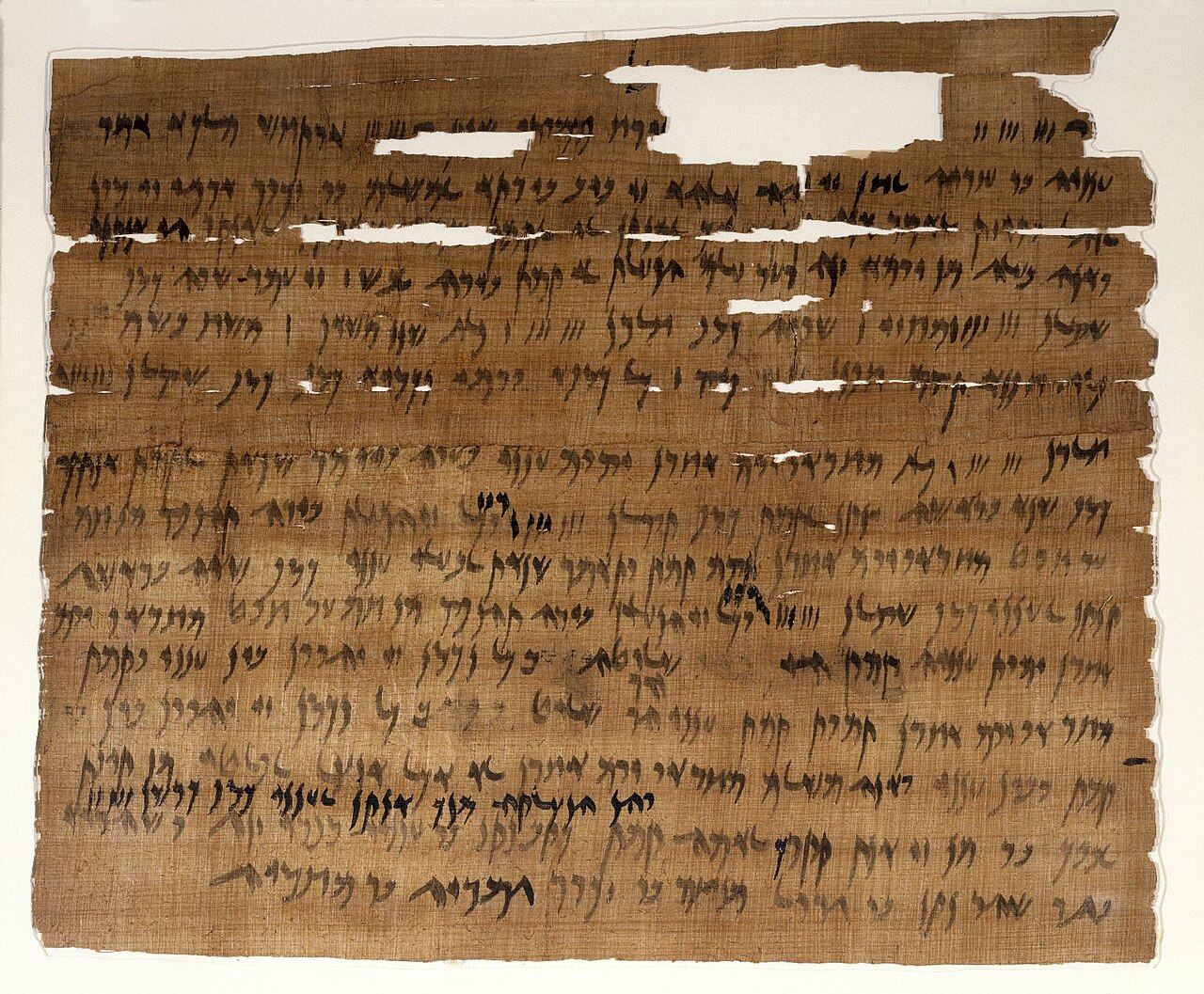
"This is the copy of the letter that they sent unto him, even unto Artaxerxes the king; Thy servants the men on this side the river, and at such a time" (Ezra 4:11).
Letters and memoranda on the Passover and the Elephantine temple.
Letters of the satrap of Egypt to his officials.
Shared features: the address "to X, your servants Y"; the transition "and now" (ke'enet / ke'an); titles such as be'el te'em ("chancellor") and spr' ("scribe"); terms for taxes (mindah, belo, halak); Persian loanwords (nishtewan "letter," ganzaya "treasury," adrazda "diligently"); references to searching archives.
Scholarly reconstruction
The letters were copied from archives, perhaps through Jewish officials, and inserted with editorial framing.
Assessment: Fits the formal features; no original has been found to compare.
Scholarly reconstruction
Real documents lie behind the letters but were adapted, especially in their religious language.
Scholarly reconstruction
Later writers composed the letters in imitation of Persian style.
Assessment: Possible, but the accuracy of the forms would then require expert knowledge of the chancery.
The documents most likely rest on genuine Persian-period correspondence, preserved in edited form.
The letters survive only in copies of Ezra: 4Q117 (fragments of 4:9–11; 5:17–6:5) and later manuscripts.
What the evidence shows