Jeremiah 4: Without Form, and Void
Circumcise your hearts, a lion from the thicket, the prophet's anguish, and creation undone
"Break up your fallow ground, and sow not among thorns. Circumcise yourselves to the LORD, and take away the foreskins of your heart, ye men of Judah and inhabitants of Jerusalem: lest my fury come forth like fire" (4:3–4).
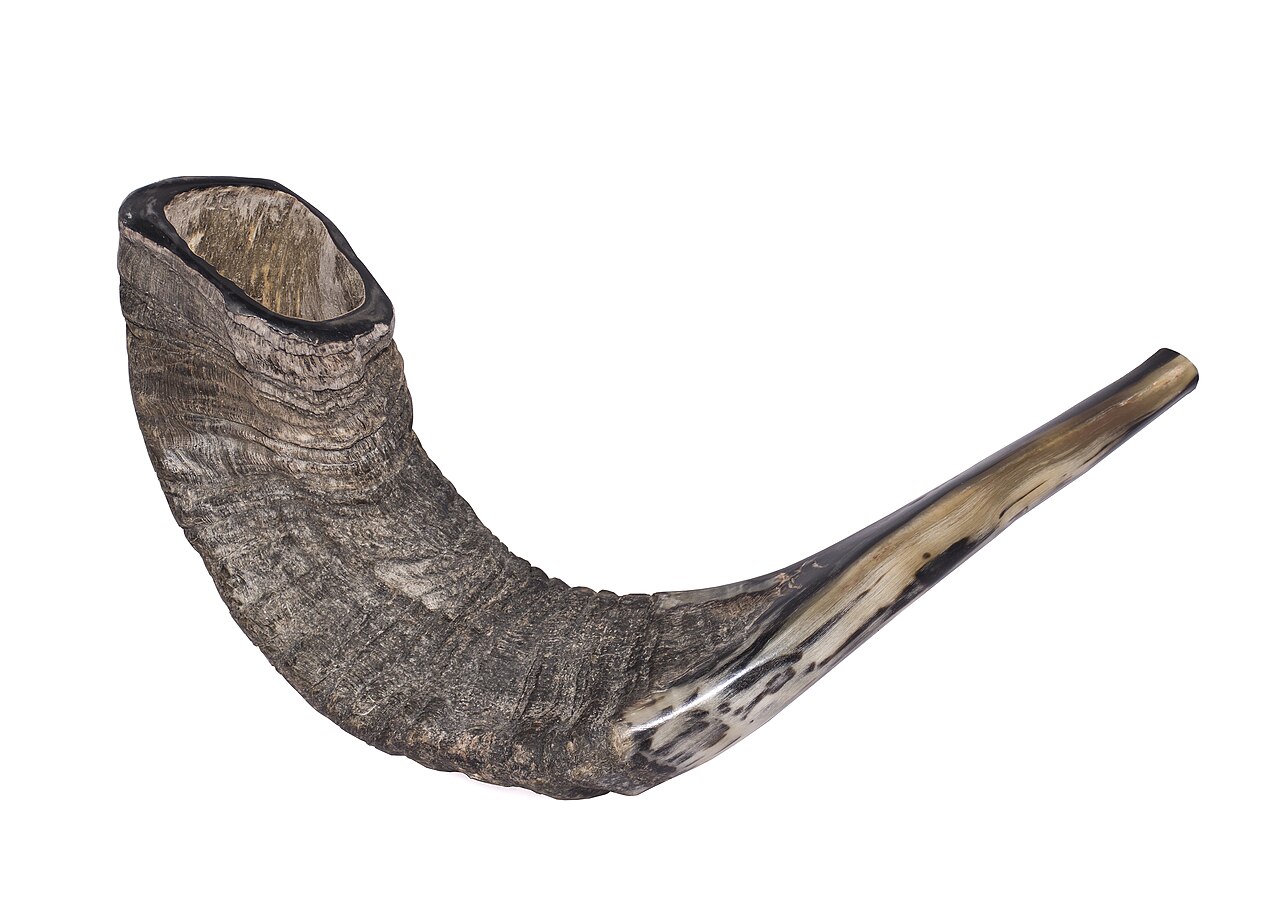
"Declare ye in Judah, and publish in Jerusalem; and say, Blow ye the trumpet in the land… for I will bring evil from the north, and a great destruction. The lion is come up from his thicket, and the destroyer of the Gentiles is on his way" (vv. 5–7).
"My bowels, my bowels! I am pained at my very heart; my heart maketh a noise in me; I cannot hold my peace, because thou hast heard, O my soul, the sound of the trumpet, the alarm of war. Destruction upon destruction is cried; for the whole land is spoiled" (vv. 19–20).
"I beheld the earth, and, lo, it was without form, and void; and the heavens, and they had no light. I beheld the mountains, and, lo, they trembled, and all the hills moved lightly. I beheld, and, lo, there was no man, and all the birds of the heavens were fled. I beheld, and, lo, the fruitful place was a wilderness" (vv. 23–26).
| Verses | What it says | What to notice |
|---|---|---|
| 4:1–2 | If you return… nations will bless themselves in him | Echoes Genesis 12:3. |
| 4:3–4 | Plow up fallow ground; circumcise your hearts | Heart circumcision also in Deuteronomy 10:16; 30:6; Romans 2:29. |
| 4:5–9 | Blow the shofar; to the fortified cities; a lion from the thicket; kings and priests dismayed | "Evil from the north" as in 1:14. |
| 4:10 | "Ah, Lord GOD, you have deceived this people, saying peace" | Some Greek manuscripts read "they said"; the Hebrew has the prophet accuse God. |
| 4:11–18 | A hot wind from the desert; chariots like a whirlwind, horses swifter than eagles; watchers from Dan and Ephraim | Dan and Ephraim: news moving south toward Jerusalem. |
| 4:19–22 | "My insides! My insides! I writhe… I cannot be silent"; my people are foolish | The first of the prophet's cries of anguish. |
| 4:23–28 | Tohu va-vohu; no light; mountains quaking; no human; birds gone; desert; yet I will not make a full end | Genesis 1 in reverse. |
| 4:29–31 | Cities empty; Zion dressed in scarlet; lovers seek her life; a woman's cry in labor | Daughter Zion gasping, "murderers." |
Signals of war
"Blow the trumpet… set up the standard toward Zion" (4:5–6; 6:1) describe the shofar blasts and signal fires used to warn towns. Lachish letter 4, written as Babylon advanced (about 588 BC), says "we are watching for the signals of Lachish… for we cannot see Azekah": a real example of the signal system Jeremiah's poetry assumes (reported; see "Jeremiah and the Fall of Jerusalem").
Who is the foe from the north?
Chapters 4–6 describe an invader from the north without naming it. Earlier scholars proposed the Scythians (following Herodotus 1.103–106); most now think the poems refer to Babylon, which approached Judah from the north along the Fertile Crescent, as 25:9 later makes explicit. The poems may have been composed before the enemy was identified and later applied to Babylon. The text keeps the enemy mythic and faceless.
The prophet's body
Me'ai, me'ai ("my bowels, my bowels") names the inner organs as the seat of emotion. Jeremiah's anguish is expressed physically, without ever being reduced to a diagnosis; the book records a prophet whose message wounds him (see "Jeremiah's Confessions," planned).
What the evidence shows
- Jeremiah 4:23 echoes Genesis 1:2.
- The foe from the north in Jeremiah 4–6 is Babylon. Most scholars; the poems do not name it.
- The foe from the north was the Scythians. An older view based on Herodotus.
- Lachish letter 4 refers to watching for fire signals.Source: The Lachish ostraca (Tel Lachish, 1935; British Museum and Israel Museum); H. Torczyner, Lachish I (1938)
More from this lesson
Why this matters to the rest of Scripture
- "Without form, and void."
- Deuteronomy 10:16; 30:6Circumcision of the heart.
- "Circumcision is that of the heart."