Jeremiah 9: Oh That My Head Were Waters
A fountain of tears, a land of deceit, the mourning women, and what is worth boasting of
"Oh that my head were waters, and mine eyes a fountain of tears, that I might weep day and night for the slain of the daughter of my people! Oh that I had in the wilderness a lodging place of wayfaring men; that I might leave my people, and go from them!" (9:1–2).
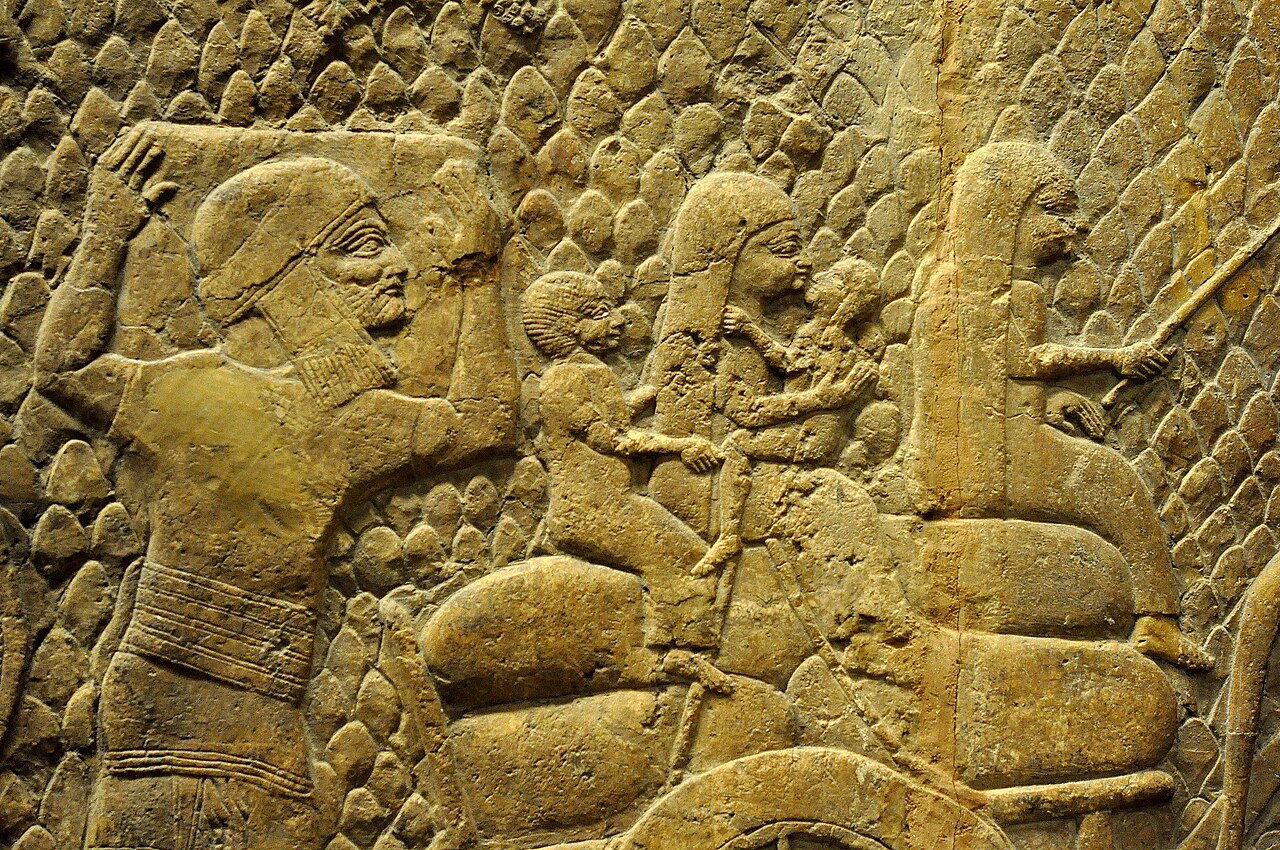
"Consider ye, and call for the mourning women, that they may come; and send for cunning women, that they may come: And let them make haste, and take up a wailing for us… For death is come up into our windows, and is entered into our palaces, to cut off the children from without, and the young men from the streets" (vv. 17–21).
"Thus saith the LORD, Let not the wise man glory in his wisdom, neither let the mighty man glory in his might, let not the rich man glory in his riches: But let him that glorieth glory in this, that he understandeth and knoweth me, that I am the LORD which exercise lovingkindness, judgment, and righteousness, in the earth: for in these things I delight, saith the LORD" (vv. 23–24).
| Verses | What it says | What to notice |
|---|---|---|
| 9:1 (Hebrew 8:23) | Oh that my head were water and my eyes a fountain of tears | In Hebrew Bibles this is the last verse of chapter 8. |
| 9:2–6 (Hebrew 9:1–5) | A wilderness lodging away from my people; tongues bent like bows; trust no brother; every neighbor slanders | Brother supplanting (aqov ya'qov): a pun on Jacob (Genesis 27:36). |
| 9:7–9 (Hebrew 9:6–8) | I will refine and test them; their tongue a deadly arrow | The assayer image of 6:27–30. |
| 9:10–11 (Hebrew 9:9–10) | Weeping for mountains and pastures; Jerusalem a heap, a lair of jackals | No birds or beasts remain. |
| 9:12–16 (Hebrew 9:11–15) | Who is wise enough to explain? They forsook my torah, walked after the Baals; wormwood and gall; scattered among nations | Prose explanation in Deuteronomic style. |
| 9:17–22 (Hebrew 9:16–21) | Call the keening women; teach your daughters a lament; death has come up through our windows | Professional mourners; compare 2 Chronicles 35:25. |
| 9:23–24 (Hebrew 9:22–23) | Not wisdom, might or riches, but knowing me: steadfast love, justice, righteousness | Paul condenses it: "He that glorieth, let him glory in the Lord" (1 Corinthians 1:31). |
| 9:25–26 (Hebrew 9:24–25) | Circumcised yet uncircumcised: Egypt, Judah, Edom, Ammon, Moab, those with clipped temples; Israel uncircumcised in heart | Circumcision was practiced by several of Judah's neighbors. |
Mourning women
Professional women mourners (meqonenot) led laments at funerals and public disasters across the ancient Near East and Mediterranean; Egyptian tomb paintings show them, and the practice continued in Judaism and the Middle East into modern times. Jeremiah 9:20 has women teach their daughters laments: one of the Bible's clearest references to a women's expert tradition of poetry (INV-11, planned).
"Death is come up into our windows"
Some scholars compare the Ugaritic Baal myth, in which Baal at first refuses a window in his palace, perhaps to keep Death (Mot) out (KTU 1.4, reported), and Mesopotamian images of the demon Lamashtu entering through windows. Whether Jeremiah alludes to such myths is uncertain; the image works as poetry of sudden, invasive death either way.
Weeping prophet
Chapters 8–9 are the source of Jeremiah's reputation as the "weeping prophet." Lamentations, later attributed to him (2 Chronicles 35:25 says he composed laments for Josiah; the Greek preface to Lamentations names him), strengthened that image. The book itself presents his grief as part of his message, not as a personal temperament to be diagnosed.
What the evidence shows
- English Jeremiah 9:1 is Hebrew 8:23.
- Professional women mourners are attested in the ancient Near East.
- Jeremiah 9:21 alludes to the Ugaritic Mot.
- 1 Corinthians 1:31 condenses Jeremiah 9:24.
More from this lesson
Why this matters to the rest of Scripture
- Laments for Jerusalem.
- Jeremiah's lament for Josiah.
- Boast in the Lord.