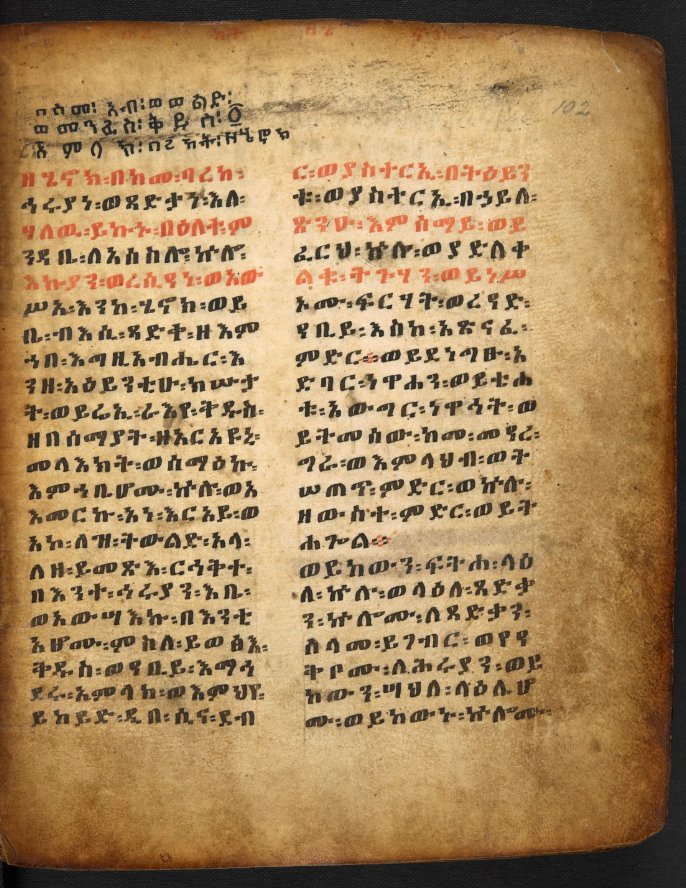
Two hundred angels called Watchers descend, take human wives, and teach forbidden arts. Their children are giants who devastate the earth, leading to the Flood.
Similar
Expands Genesis 6 directly
Heavenly beings and human women
Giants before the Flood
Different
Many added details: names of angels, forbidden knowledge
A later Jewish interpretation of Genesis, not an independent ancient tradition
Mesopotamia · Mesopotamia
The Apkallu (the seven sages)
Shared literary world
Composed
Traditions of the 2nd–1st millennium BC
Earliest surviving copy
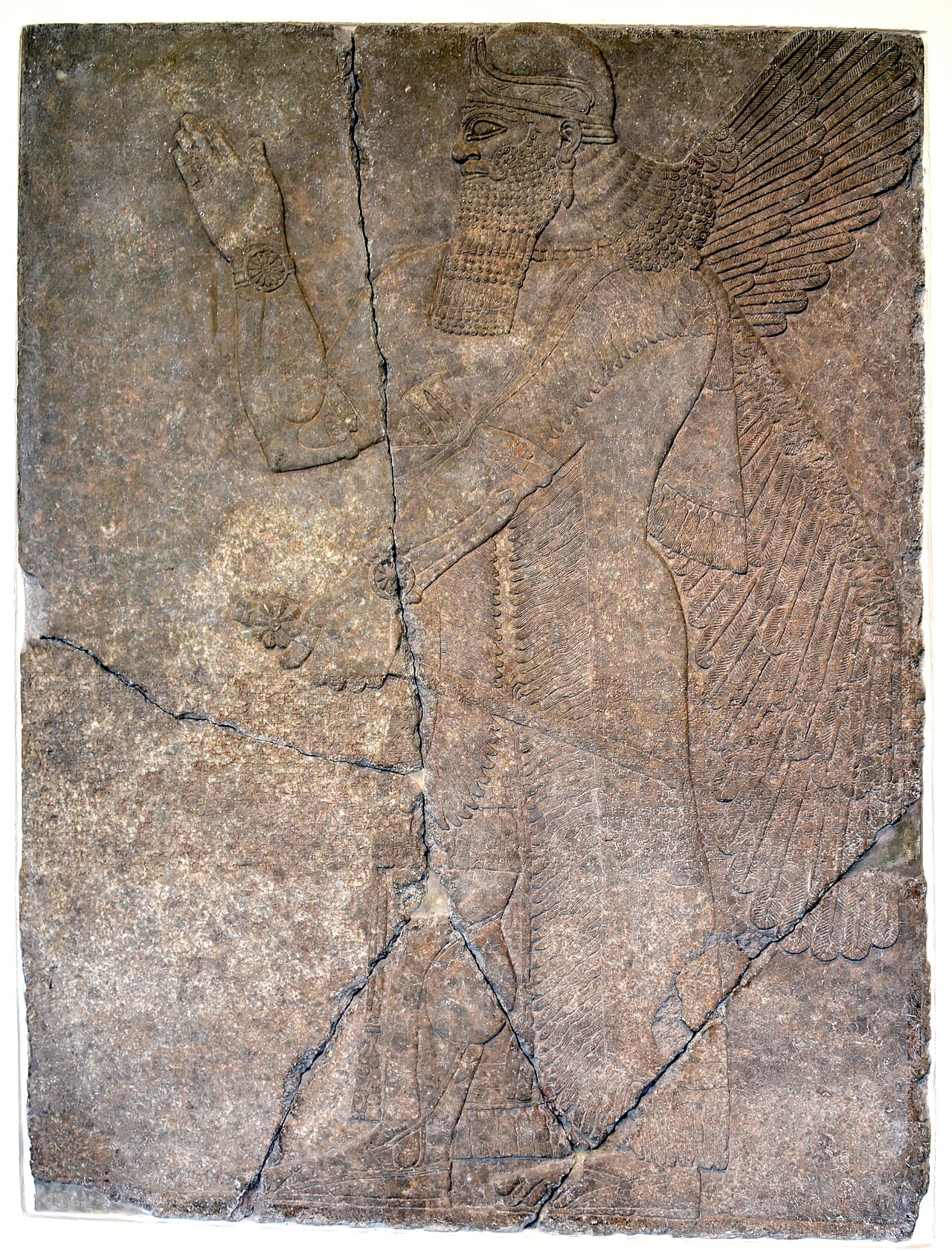
Texts and palace reliefs, especially 9th–7th century BC Assyria
Seven semi-divine sages, sometimes shown as part fish or winged, came before the Flood and taught humanity the arts of civilization. After the Flood, sages were part human.
Similar
Extraordinary beings before the Flood
Knowledge passed from heavenly beings to humans (compare 1 Enoch)
Different
The sages are honored as benefactors, not condemned
Greece · Mediterranean
Titans, Giants, and demigod heroes
Resemblance only
Composed
Hesiod's Theogony, c. 700 BC
Earliest surviving copy
Medieval manuscripts of earlier texts; ancient papyrus fragments
Before the present order, Titans and Giants fought the Olympian gods. Heroes such as Heracles were born to gods and mortal women.
Similar
Children of gods and human women who become famous heroes
A former age of mighty beings
Different
Many gods with their own conflicts
Heroes are celebrated rather than judged
Modern speculative theory · not an ancient source
Ancient-astronaut interpretations
The claim
Some modern writers, beginning with Erich von Däniken's Chariots of the Gods? (1968) and Zecharia Sitchin's The 12th Planet (1976), propose that the "sons of God" or Mesopotamian gods (the Anunnaki) were visitors from another world and the Nephilim their offspring.
What the ancient texts actually say
The ancient texts speak of divine and heavenly beings. They do not describe spacecraft or other planets; Sitchin's translations of Sumerian words are rejected by specialists in the language.
Historical assessment
These are modern interpretations of ancient texts, not ancient sources. No authenticated archaeological evidence of extraterrestrial visitors has been found. Such theories can also overlook the real skill of ancient peoples who built their own monuments. We present them so readers recognize them, labeled for what they are.
Further reading: Kenneth Feder, Frauds, Myths, and Mysteries: Science and Pseudoscience in Archaeology
Goliath of Gath →What does archaeology show about Gath and Goliath, and how tall was he?
Back to the story
Noah and the Flood →God sends a flood on a violent world, preserves Noah, his family, and the animals in the ark, and promises never to do it again.
The Twelve Spies →Twelve tribal leaders scout Canaan for forty days and bring back a cluster of grapes so large two men carry it on a pole. All agree the land is good. Ten say its people are too strong; Caleb says, "Let us go up at once."
Nations, Wanderings, and the Eastern Battles →Israel circles Mount Seir and is told not to touch the lands of Edom, Moab and Ammon, which God has given to others. Then it defeats Sihon and Og, and Moses gives their land to Reuben, Gad and half of Manasseh. Moses pleads to cross the Jordan and is told: "Let it suffice thee."
Caleb's Inheritance →The allotment of the land begins at Gilgal. Caleb, now eighty-five, reminds Joshua of the promise Moses made forty-five years before, when they were the only scouts who trusted God. He asks for Hebron, the hill country of the giant Anakim, and receives it.
Sihon and Og →Israel asks Sihon, king of the Amorites, for passage on the King's Highway. He attacks and is defeated, and Israel takes Heshbon. Og of Bashan, remembered as the last of the giant Rephaim, falls at Edrei. Excavations at Heshbon and Dibon, an Egyptian route list, and a Ugaritic text about a king in Ashtaroth and Edrei all bear on this chapter.
David and Goliath →In the valley of Elah a Philistine champion from Gath, Goliath, challenges Israel to single combat for forty days. David, bringing food to his brothers, volunteers. He refuses Saul's armor, takes five stones and a sling, and strikes Goliath in the forehead. The story survives in two ancient editions, and Goliath's height differs between witnesses.
Rizpah's Vigil and the Giants of Gath →A three-year famine is traced to Saul's killing of the Gibeonites. The Gibeonites demand seven of Saul's descendants; David hands over two sons of Rizpah and five grandsons of Saul, and they are executed. Rizpah guards their bodies from birds and beasts from harvest until the rains. Moved, David buries the bones of Saul and Jonathan. Then four battles against giants of Gath, including Elhanan's killing of "Goliath the Gittite." Content warning: executions.