Era 5 · The Promised LandJoshua
Caleb's Inheritance
"As my strength was then, even so is my strength now"
Eleazar the priest, Joshua and the tribal heads distribute the land west of the Jordan by lot, "as the LORD commanded by the hand of Moses." The Levites receive towns, not territory.
Caleb son of Jephunneh the Kenizzite comes to Joshua: "Forty years old was I when Moses the servant of the LORD sent me from Kadesh-barnea to espy out the land… I wholly followed the LORD my God." "And now, behold, the LORD hath kept me alive… these forty and five years… and now, lo, I am this day fourscore and five years old. As yet I am as strong this day as I was in the day that Moses sent me."
"Now therefore give me this mountain… for thou heardest in that day how the Anakims were there, and that the cities were great and fenced: if so be the LORD will be with me, then I shall be able to drive them out." Joshua blesses him and gives him Hebron. "And the name of Hebron before was Kirjath-arba; which Arba was a great man among the Anakims. And the land had rest from war."
Counting the years
Caleb was 40 at Kadesh and is 85 now: 45 years. Taking 38 years from Kadesh to the Zered (Deuteronomy 2:14) plus about 2 before, the conquest so far would have lasted about 7 years. This is the narrative's own internal reckoning; it does not give an absolute date.
Caleb the Kenizzite
The Kenizzites are listed in Genesis 15:19 among peoples of Canaan, and Kenaz is an Edomite clan name (Genesis 36:11). Some scholars think Caleb's clan was of southern, non-Israelite origin and joined Judah; others take "Kenizzite" as a family name within Judah. The text presents him as the model of wholehearted loyalty, whatever his ancestry.
Hebron
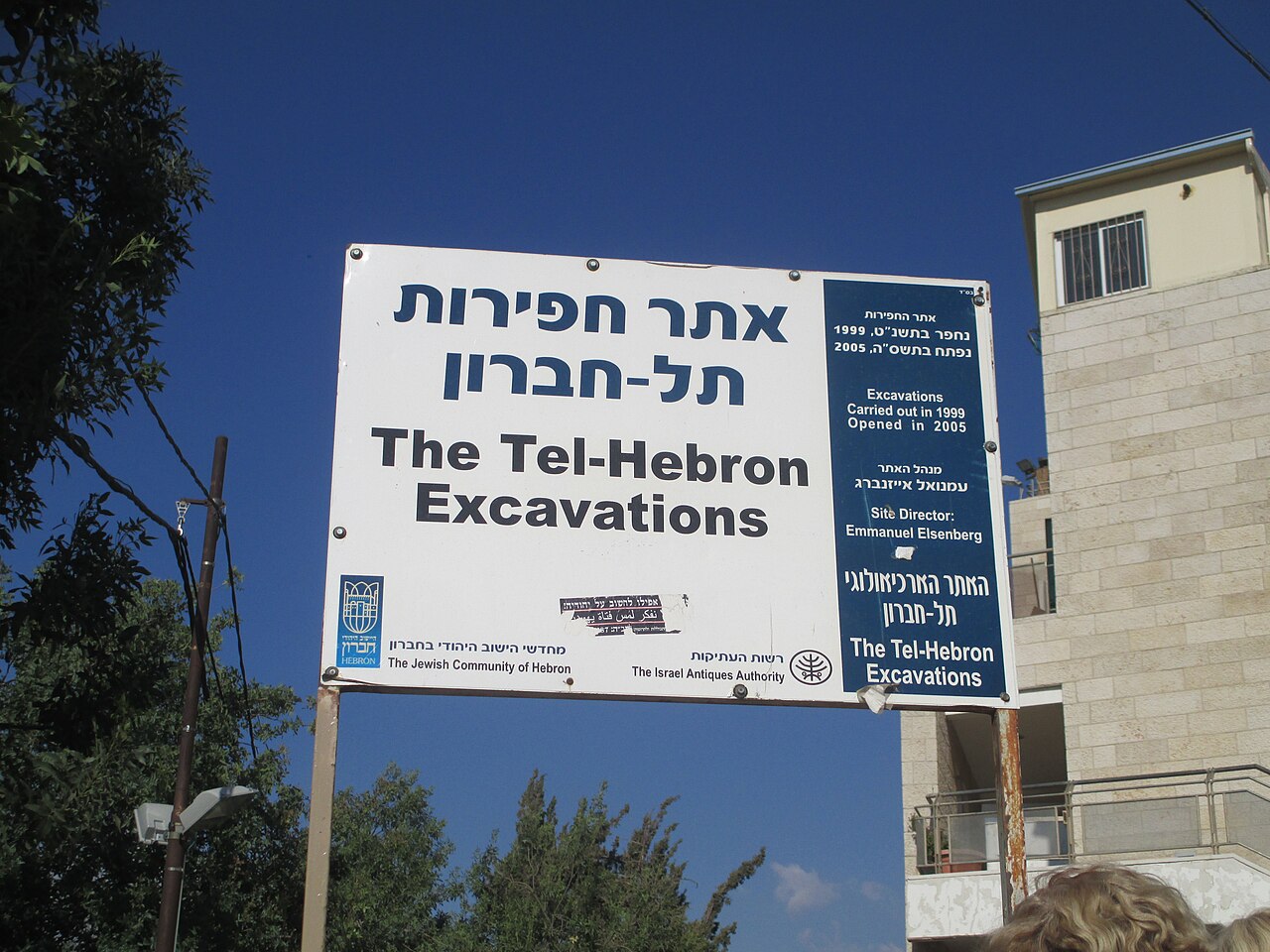
Hebron (Tel Rumeida) has impressive Middle Bronze Age walls and long occupation. The giant "Anakim" belong to the Bible's traditions about tall pre-Israelite peoples (Numbers 13:33; Deuteronomy 2:10–11); no giant remains have been found, and photographs of "giant skeletons" circulating online are known hoaxes.
The Case for the Biblical Account
Scripture's account
Caleb receives Hebron (Joshua 14).
What evidence would we expect?
A fortified Hebron; clan traditions about Caleb in the south.
The discoveries
Tel Rumeida's Middle Bronze fortifications and later occupation; the Calebite clan in Judah's genealogies (1 Chronicles 2) and the Negev of Caleb (1 Samuel 30:14).
Testing the discoveries
Hebron's identification is secure; no inscription names Caleb.
The strongest reconstruction
Joshua 14 joins Judah's Calebite clan to Israel's wilderness story through Caleb's faithfulness.
What remains possible
The origin of the Kenizzites; the literal ages.
What the evidence shows
- Hebron is Tel Rumeida, with Middle Bronze walls.
- Caleb's clan was originally non-Israelite.
- Giant skeletons have been found in the region. Circulating photographs are hoaxes.
- "I wholly followed the LORD my God."
Continue the journey
Echoes Across CivilizationsGiants, Watchers, and heavenly beingsWhat did other cultures say about beings between heaven and earth?More from this lesson
Echoes Across Civilizations
Optional: how other ancient peoples told similar stories. Open one to compare, then come back to the lesson.
Giants, Watchers, and heavenly beingsJewish (Second Temple) · Mesopotamia · Greece
What did other cultures say about beings between heaven and earth?
- Jewish (Second Temple): 1 Enoch, the Book of the Watchers Shared literary world
- Mesopotamia: The Apkallu (the seven sages) Shared literary world
- Greece: Titans, Giants, and demigod heroes Resemblance only
Also covered: Ancient-astronaut interpretations, clearly labeled as a modern theory.
Compare side by side →Why this matters to the rest of Scripture
- Numbers 13:30; 14:24Caleb at Kadesh.
- "Save Caleb."
- Hebron taken; the sons of Anak.
- Abraham buys the cave at Hebron.