Era 5 · The Promised LandJoshua
Seven Tribal Portions and Joshua's City
"They gave him the city which he asked"
Simeon's inheritance is "within the inheritance of the children of Judah," because Judah's share was too large: Beersheba, Moladah, Hormah, Ziklag and other towns of the Negev. Zebulun receives the hills north of the Jezreel valley; Issachar the valley itself, with Jezreel and Shunem; Asher the coast from Carmel toward Sidon and Tyre; Naphtali the eastern Galilee with Hazor and Kedesh, down to the Sea of Galilee (Chinnereth).
Dan receives land in the Shephelah toward Joppa, including Zorah, Eshtaol, Aijalon, Timnah and Ekron. "And the coast of the children of Dan went out too little for them: therefore the children of Dan went up to fight against Leshem, and took it… and called Leshem, Dan, after the name of Dan their father."
"When they had made an end of dividing the land… the children of Israel gave an inheritance to Joshua… According to the word of the LORD they gave him the city which he asked, even Timnath-serah in mount Ephraim: and he built the city, and dwelt therein."
Simeon disappears
Simeon's towns lie within Judah's, and in later history the tribe is absorbed into Judah. Moses' blessing does not name Simeon (Deuteronomy 33), and Jacob's says Simeon would be "scattered" (Genesis 49:7). The second census showed Simeon shrinking (Numbers 26).
Dan's move north
Judges 18 tells the full story of Dan's migration to Laish (Leshem), its burning and renaming, and the shrine set up there. At Tel Dan, excavations by Avraham Biran found an Iron Age cultic precinct with a large platform and altar, and in 1993–94 the Tel Dan Stele, a 9th-century BC Aramaic inscription mentioning the "House of David." The Greek Septuagint of Joshua 19:47–48 has longer and different wording, including a note that the Amorites pressed Dan in the hills (checked in the library's Greek).
Where are all these towns?
Many of the towns in chapter 19 can be located (Beersheba, Ziklag, Shunem, Jezreel, Kedesh, Hazor, Zorah, Joppa), but many cannot. The site's atlas shows only towns with an identified or proposed site, and lists the rest as "location unknown" rather than inventing places for them.
Joshua's town
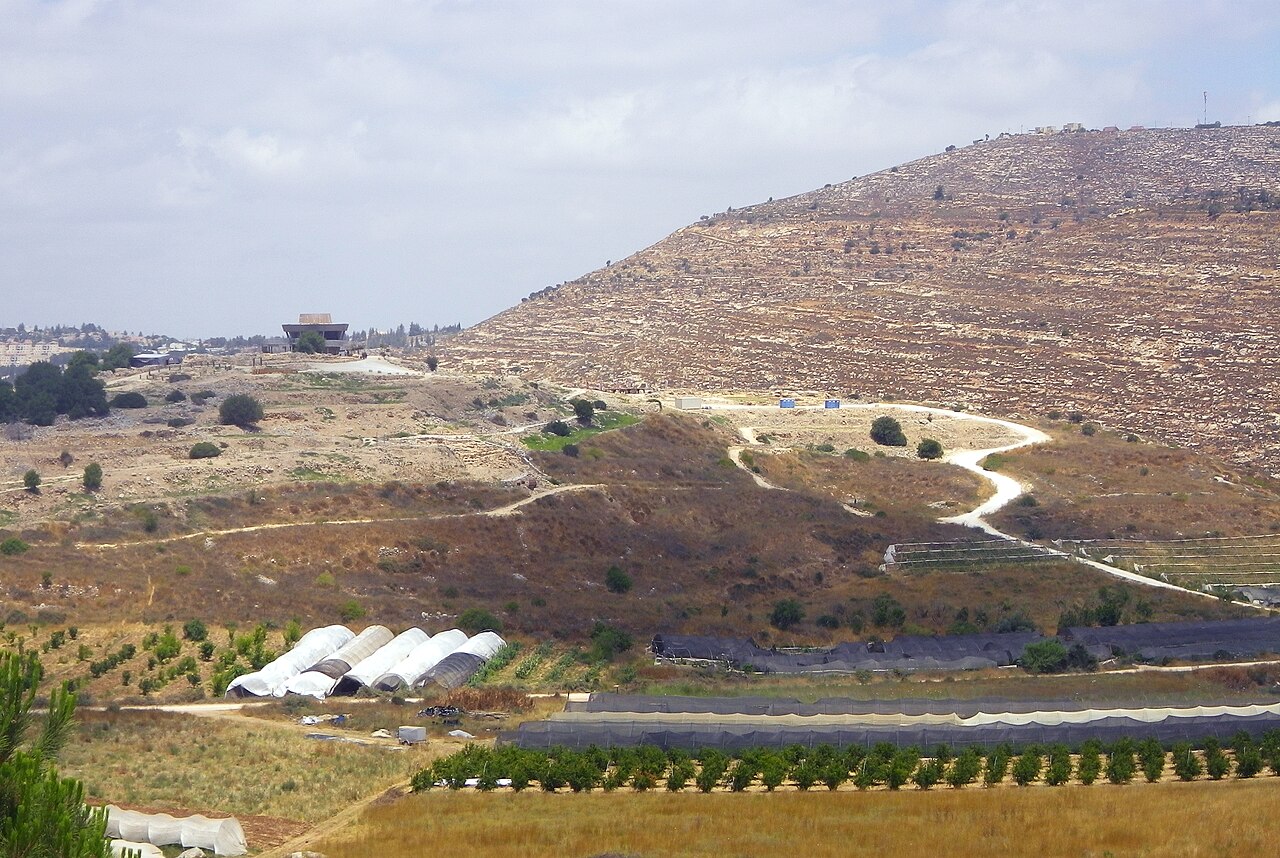
Timnath-serah (in Judges 2:9, Timnath-heres) is usually identified with Khirbet Tibnah, northwest of Jerusalem. A traditional tomb of Joshua is venerated at Kifl Haris, a Palestinian village; Samaritan and Jewish traditions honor it. Neither identification is confirmed by excavation.
The Case for the Biblical Account
Scripture's account
Allotments of six tribes; Dan's move; Joshua's town (Joshua 19).
What evidence would we expect?
Identifiable towns; a Danite center in the north.
The discoveries
Tel Dan's Iron Age shrine and the Tel Dan Stele; many identified Galilean and Negev towns; Khirbet Tibnah as Timnath-serah.
Testing the discoveries
The geography is largely real; Dan's migration is narrated more fully in Judges and may reflect a later editorial layer here.
The strongest reconstruction
Joshua 19 records tribal geography that includes later developments such as Dan's northern home.
What remains possible
The location of many towns; the date of Dan's migration.
What the evidence shows
- The Tel Dan Stele mentions the "House of David."
- Joshua's tomb is at Kifl Haris. A tradition.
- The Septuagint's 19:47–48 differs from the Hebrew. Checked in the library (Giguet).
Continue the journey
Connected elsewhere in ScriptureThe Tribe of Dan and Moses/ManassehJudges 18: Dan's migration to Laish.More from this lesson
Why this matters to the rest of Scripture
- Dan's migration to Laish.
- Joshua buried at Timnath-heres.
- Genesis 49:5–7, 13–21Jacob's blessings on these tribes.
- "The land of Zabulon, and the land of Nephthalim."