Era 5 · The Promised LandJoshua
Rahab and the Spies
"The LORD your God, he is God in heaven above, and in earth beneath"
Joshua secretly sends two men from Shittim: "Go view the land, even Jericho." They come to "an harlot's house, named Rahab, and lodged there." The king of Jericho hears and sends to her: "Bring forth the men." She has hidden them under stalks of flax on her roof, and says they left at dusk: "pursue after them quickly; for ye shall overtake them."
Then she goes up to the spies: "I know that the LORD hath given you the land… For we have heard how the LORD dried up the water of the Red sea for you… and what ye did unto the two kings of the Amorites… our hearts did melt… for the LORD your God, he is God in heaven above, and in earth beneath." She asks them to swear to spare "my father, and my mother, and my brethren, and my sisters, and all that they have."
"Our life for yours," they answer. Her house is "upon the town wall," and she lets them down by a cord through the window. They tell her to bind "this line of scarlet thread in the window" and gather her family inside. They hide three days in the hills and return to Joshua: "Truly the LORD hath delivered into our hands all the land."
Who was Rahab?
The Hebrew zonah means a prostitute, and that is the standard reading. The Aramaic Targum and Josephus call her an innkeeper, perhaps to soften it or because inns and prostitution were associated. Either way, a foreign woman with an unrespected trade acts with courage, cunning and faith, and negotiates the survival of her whole family.
Rahab in later Scripture
Matthew 1:5 lists "Rachab" as the mother of Boaz and an ancestor of David and Jesus. Hebrews 11:31 counts her among the heroes of faith; James 2:25 among those whose faith was shown by works. Whether Matthew's Rachab is the same person is the usual reading but is not stated elsewhere in the Old Testament.
A house in the wall
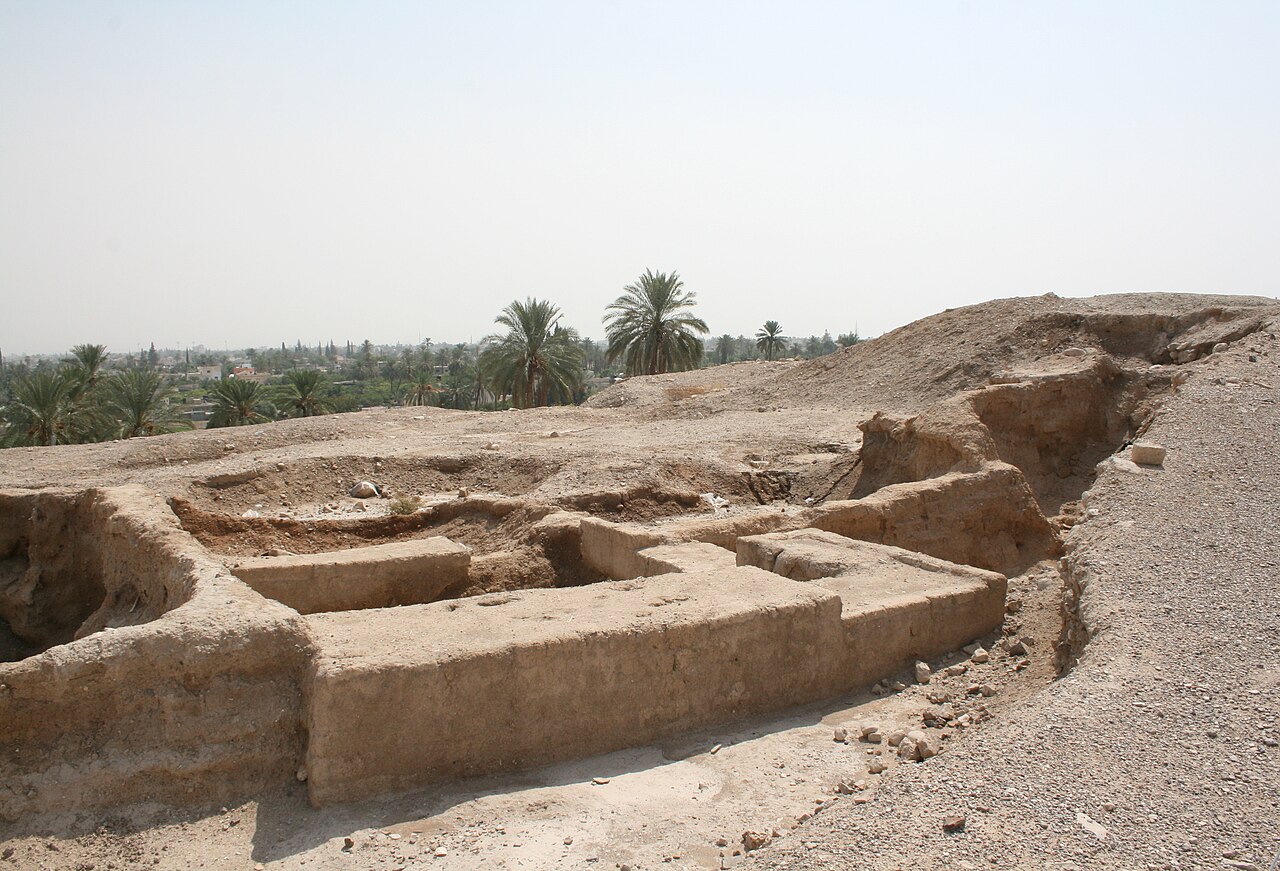
At Jericho, archaeologists have found Middle Bronze Age fortifications: a stone revetment wall with a mudbrick wall on top, and houses built against the walls in some areas. Bryant Wood has argued that Rahab's house fits this setting; most archaeologists date those walls before any proposed date for Joshua (see the Jericho investigation). No house has been identified as Rahab's, and photographs of a "Rahab wall" need their excavation phase stated.
The Case for the Biblical Account
Scripture's account
Rahab hides the spies and is promised safety (Joshua 2).
What evidence would we expect?
A walled Jericho; houses on or against the wall; flax processing.
The discoveries
Middle Bronze Age walls and houses at Tell es-Sultan; flax cultivation in the Jordan valley; Rahab's later reception in Matthew, Hebrews and James.
Testing the discoveries
The walled city most clearly attested at Jericho is Middle Bronze Age; the dating of its destruction is disputed.
The strongest reconstruction
The story fits a walled Canaanite city; whether it fits the archaeological Jericho depends on the chronology.
What remains possible
See the Jericho investigation for the dating debate.
What the evidence shows
- The Hebrew zonah means prostitute; the Targum and Josephus call her an innkeeper.
- Matthew's Rachab and Joshua's Rahab are the same woman. The common reading; not stated in the Old Testament.
- Rahab's house has been found.
- "The LORD your God, he is God in heaven above."
Continue the journey
Ancient MysteriesJericho: Did the Walls Fall?Does the destroyed city at Tell es-Sultan match Joshua 6?More from this lesson
Investigations
Optional deep dives: the ancient sources, the physical evidence, and every interpretation side by side, including unconventional ones, each labeled for what it is.
Jericho: Did the Walls Fall?Site: secure · Destruction: real · Date: disputed (majority 16th century BC) · Link to Joshua: disputed
Does the destroyed city at Tell es-Sultan match Joshua 6?
Tell es-Sultan, ancient Jericho, has the remains of a fortified city destroyed by fire, with collapsed walls and storage jars still full of grain. Excavators agree on the destruction. They disagree on its date: most place it in the 16th century BC; a minority argue for about 1400 BC, matching an early Exodus. No large walled city of the 13th century BC has been found.
Open the full investigation →Why this matters to the rest of Scripture
- Rahab and her family spared.
- "Salmon begat Booz of Rachab."
- "By faith the harlot Rahab perished not."
- "Was not Rahab the harlot justified by works?"
- The first spies.