"Now these are the kings of the land, which the children of Israel smote… on the other side Jordan toward the rising of the sun": Sihon king of the Amorites in Heshbon, and Og king of Bashan, "of the remnant of the giants." "Them did Moses the servant of the LORD and the children of Israel smite."
"And these are the kings of the country which Joshua and the children of Israel smote on this side Jordan on the west." The list follows, one line each: "The king of Jericho, one; the king of Ai, which is beside Bethel, one; The king of Jerusalem, one; the king of Hebron, one"… through Hazor, Megiddo, Taanach, Dor and Tirzah. "All the kings thirty and one."
A land of city-kings
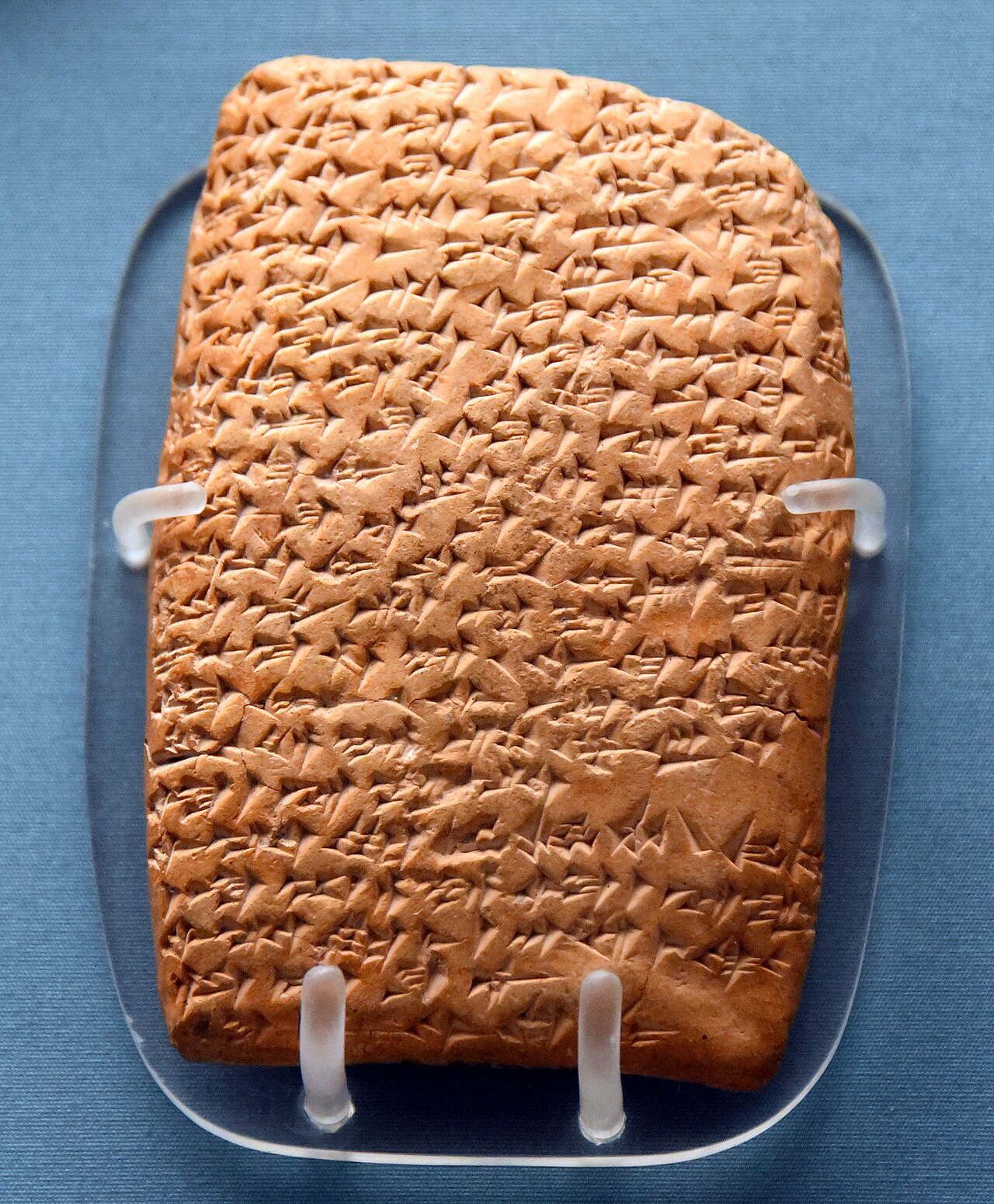
The 14th-century BC Amarna letters show Canaan as a patchwork of small city-states, each with its own ruler: Jerusalem, Gezer, Lachish, Megiddo, Hazor, Shechem and others, all nominally under Egypt and often fighting each other. A list of thirty-one local kings fits that political world.
The places
| Place | Usual identification | Confidence | Late Bronze–Iron I evidence |
|---|---|---|---|
| Jericho | Tell es-Sultan | Secure | Destroyed (date disputed); little Late Bronze occupation |
| Ai | et-Tell (or Khirbet el-Maqatir) | Disputed | Early Bronze ruin; Iron I village |
| Jerusalem | City of David | Secure | Amarna-era city-state; not taken (15:63) |
| Hebron | Tel Rumeida | Secure | Long occupation |
| Lachish | Tel Lachish | Secure | Destroyed c. 1150–1130 BC |
| Gezer | Tel Gezer | Secure | Not taken (16:10) |
| Debir | Tell Beit Mirsim or Khirbet Rabud | Debated | Varies by site |
| Hazor | Tel Hazor | Secure | Destroyed by fire, 13th century BC |
| Megiddo | Tel Megiddo | Secure | Canaanite city continues into Iron I |
| Taanach, Dor, Tirzah | Tell Ta'annek, Tel Dor, Tell el-Far'ah North | Secure | Various |
| Geder, Hormah, Adullam, Libnah, Makkedah and others | Several candidates | Uncertain | Unknown |
Several kings in the list (Megiddo, Taanach, Dor, Gezer) belong to cities that, according to Joshua 17 and Judges 1, Israel did not take. The list is best read as a record of kings defeated, not cities settled.
The Case for the Biblical Account
Scripture's account
Two kings east and thirty-one west of the Jordan were defeated (Joshua 12).
What evidence would we expect?
Canaanite city-states with kings; destructions at many of them.
The discoveries
Amarna letters naming kings of many of these cities; varied archaeological histories; several cities continuing unconquered.
Testing the discoveries
The political picture fits Late Bronze Canaan. The archaeology does not show a single wave of destruction.
The strongest reconstruction
Joshua 12 is a summary list of victories over Canaan's city-kings, cast in the style of ancient royal lists.
What remains possible
That the list gathers the outcomes of many encounters over time.
What the evidence shows
- The Amarna letters show Canaan divided into many city-states with local kings.
- All thirty-one cities show destruction in the conquest period.
- Several of the listed cities are said elsewhere in Joshua and Judges not to have been taken.
Continue the journey
Ancient MysteriesIsrael in Egyptian Records: the Merneptah Stele and the Amarna LettersWhat do Egypt's own texts say about Canaan and Israel in this period?More from this lesson
Investigations
Optional deep dives: the ancient sources, the physical evidence, and every interpretation side by side, including unconventional ones, each labeled for what it is.
Israel in Egyptian Records: the Merneptah Stele and the Amarna LettersStele and letters: authentic · "Israel" as a people c. 1208 BC: documented · Joshua or a conquest: not mentioned
What do Egypt's own texts say about Canaan and Israel in this period?
Pharaoh Merneptah's victory stele (c. 1208 BC) names Israel as a people in Canaan, the earliest widely accepted mention outside the Bible. A century earlier, the Amarna letters show Canaan's city-kings writing to Pharaoh and complaining about the 'Apiru. Neither mentions Joshua or describes a conquest.
Open the full investigation →Why this matters to the rest of Scripture
- Sihon and Og.
- Cities not taken.
- "Who smote great nations, and slew mighty kings."