Era 5 · The Promised LandJoshua
How Joshua Came to Us
From the Torah to the Former Prophets: authorship, Dead Sea Scrolls, a Greek Joshua that differs, and verses missing from the oldest codices
Joshua follows Deuteronomy directly: "Now after the death of Moses." Jewish tradition places it first among the Former Prophets, the history from the conquest to the exile; Christian Bibles place it first among the historical books. The Talmud says "Joshua wrote his book and eight verses of the Torah" (Bava Batra 14b–15a), with the account of his death added by Eleazar and Phinehas. The book itself says Joshua "wrote these words in the book of the law of God" (24:26), referring to the covenant at Shechem, not to the whole book.
The witnesses
| Witness | Kind | Date | Notes |
|---|---|---|---|
| 4QJosh-a (4Q47) | Hebrew manuscript, fragmentary | 2nd–1st c. BC (Hasmonean script) | Apparently places the altar ceremony before 5:2; partly reconstructed |
| 4QJosh-b (4Q48) | Hebrew manuscript, fragmentary | 1st c. BC (to verify) | Small fragments; IAA record to be verified before display |
| Old Greek (Septuagint) | Translation tradition | Translated c. 2nd c. BC | Different order (8:30–35 after 9:2) and many pluses and minuses |
| P.Schøyen 2648 | Greek papyrus | 3rd c. AD | Among the oldest physical Greek witnesses to Joshua |
| Codex Vaticanus, Alexandrinus | Greek codices | 4th–5th c. AD | Major Greek witnesses; differ among themselves |
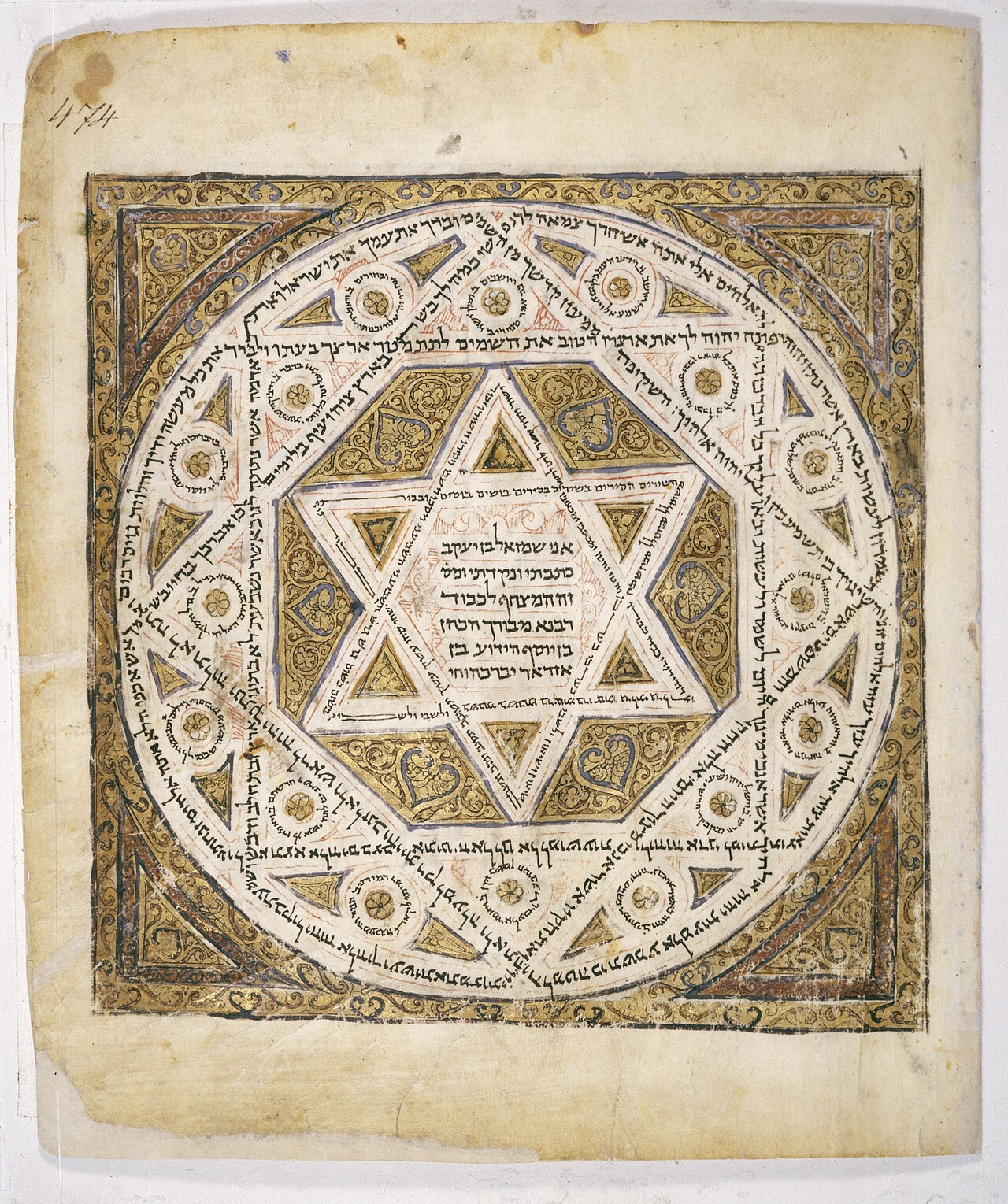
| Aleppo and Leningrad codices | Masoretic Hebrew | c. 930 and 1008 | The standard Hebrew; lack 21:36–37 |
| Vulgate, Peshitta | Latin and Syriac translations | c. AD 400; early centuries AD | Mostly follow a Hebrew text like the Masoretic |
A translation tells us about the Hebrew text its translator read, but that Hebrew text (the "Vorlage") is a reconstruction, not a surviving manuscript. The site keeps four things apart: the common text, an editor's reconstruction, a physical manuscript, and a translated reading.
Where the copies differ
| Passage | What differs | Kind |
|---|---|---|
| 3–4 | Two sets of memorial stones | Literary; not a manuscript variant |
| 5:2–9 | Greek explains the circumcision differently | Greek–Hebrew difference |
| 6 | Greek narrative of the procession is shorter | Greek–Hebrew difference |
| 8:30–35 | After Ai (MT), after 9:2 (LXX), near the crossing (4Q47) | Order of passages |
| 10:12–13 | Book of Jashar cited (MT); not mentioned (LXX) | Greek minus; poem and prose |
| 15:59a | Eleven towns including Bethlehem in Greek only | Hebrew lost by eye-skip (likely) |
| 19:47–48 | Longer, different Greek about Dan | Greek plus |
| 20:4–6 | Mostly absent in Greek | Hebrew expansion (likely) or Greek abbreviation |
| 21:36–37 | Absent in Leningrad and Aleppo; present elsewhere | Accidental loss in part of the Masoretic tradition |
| 22:34 | Altar named "Ed" in some witnesses only | Manuscript variant |
| 24:31, 33 | Greek adds the flint knives in Joshua's tomb and a longer ending | Greek plus |
Composition: how scholars have explained it
Joshua recorded the events, and Eleazar, Phinehas or other near-contemporaries completed the book; small later notes ("unto this day") were added. Supporters point to old lists, eyewitness-style detail and the Talmud's tradition.
Martin Noth (1943) argued that Deuteronomy through Kings is one history written during the exile, using older sources; Frank Cross proposed a first edition under Josiah and a second in the exile. Joshua's speeches (1; 23) and its theology echo Deuteronomy.
Many scholars see older materials embedded: local stories explaining place names, boundary lists, town lists perhaps from the monarchy's administration, and the Book of Jashar poem.
The differences between the Greek and Hebrew suggest the book was still being edited in the Second Temple period, with the Masoretic and Old Greek reflecting different editions.
How Joshua became Scripture and was read
Joshua is in every Jewish and Christian canon; it is not part of the Samaritan Bible, which contains only the Torah (the Samaritans have their own later "Book of Joshua" in Arabic). Ben Sira praises Joshua (Sirach 46:1–8); Josephus retells the book; the rabbis discussed its laws of war; Hebrews 4:8 contrasts Joshua's "rest" with God's, and Joshua's Greek name is Iesous, Jesus.
Research status for Joshua
| Area | Status | What remains |
|---|---|---|
| Chapter coverage 1–24 | Research complete | 24 chapter lessons plus two thematic lessons and this one |
| Altar placement (8:30–35) | Evidence unresolved | 4Q47 letters marked extant or restored against DJD XIV; Greek against Margolis or Rahlfs-Hanhart |
| 15:59a, 19:47–48, 20:4–6, 24:31–33 (Greek) | Evidence unresolved | Checked only through Giguet's French translation; critical-edition check needed |
| 21:36–37 | Evidence unresolved | Manuscript list from Masoretica and the SBL edition to be recorded |
| Jericho, Ai, Hazor, Merneptah, Amarna | Research complete | Images still to be identified and rights-checked |
| 4Q48 and P.Schøyen 2648 | Research outstanding | Coverage to be verified in the IAA and Schøyen records |
What the evidence shows
- The Talmud attributes the book to Joshua, completed by Eleazar and Phinehas.
- Joshua is part of a Deuteronomistic History.
- The Old Greek and Masoretic Text of Joshua reflect different editions.
- Joshua is inspired Scripture.
Toward Judges
Judges begins, "Now after the death of Joshua," and retells the incomplete conquest (Judges 1), Joshua's death (2:6–9), and a generation "which knew not the LORD." The tensions this book leaves open become the story of the next.
Continue the journey
Journey of a PassageJoshua 8:30–35: Where does the altar ceremony belong?The altar on Mount Ebal and the reading of the law stand after the fall of Ai in the Hebrew, after 9:2 in the Greek, and apparently right after the crossing of the Jordan in a Dead Sea Scroll.More from this lesson
Investigations
Optional deep dives: the ancient sources, the physical evidence, and every interpretation side by side, including unconventional ones, each labeled for what it is.
The Lost Book of Jashar and the Day the Sun Stood StillBook: lost · Later "Jasher" books: not the original · Eclipse: a proposal
What was the Book of Jashar, and what happened at Gibeon?
Joshua and 2 Samuel quote a "book of Jasher," an ancient collection of poems now lost. Books published since 1625 under the same name are different works. The sun-and-moon poem it supplied has been read as a miracle, as poetry, as a prayer for darkness, and as an eclipse.
Open the full investigation →Why this matters to the rest of Scripture
- Judges 1:1; 2:6–10After the death of Joshua.
- "For if Jesus [Joshua] had given them rest."
- "Brought in with Jesus [Joshua] into the possession of the Gentiles."
- Ben Sira's praise of Joshua.
Sources to explore
- Society of Biblical Literature, The Hebrew Bible: A Critical Edition (prospectus, discussing Joshua 21:36–37) ↗
- M. Segal, "From the Jordan to Mt. Ebal and Back," Vetus Testamentum 75 (2025) ↗
- "Conquests Need Monuments and Monuments Need Inscriptions: The Textual Location of the Mount Ebal Altar Episode in Joshua," JBL 143 (2024) ↗
- Masoretica: medieval Hebrew manuscripts of Joshua 21:37 ↗
Overviews are a starting point. Each links onward to the primary sources and specialist studies behind it.