Era 5 · The Promised LandJoshua
The Levitical Cities
"There failed not ought of any good thing which the LORD had spoken"
The heads of the Levites come to Eleazar and Joshua at Shiloh: "The LORD commanded by the hand of Moses to give us cities to dwell in, with the suburbs thereof for our cattle." The lot falls: the priests, sons of Aaron, receive thirteen towns from Judah, Simeon and Benjamin; the other Kohathites ten, the Gershonites thirteen, the Merarites twelve.
"All the cities of the Levites within the possession of the children of Israel were forty and eight cities with their suburbs."
"And the LORD gave unto Israel all the land which he sware to give unto their fathers… And the LORD gave them rest round about… There failed not ought of any good thing which the LORD had spoken unto the house of Israel; all came to pass."
The missing verses (21:36–37)
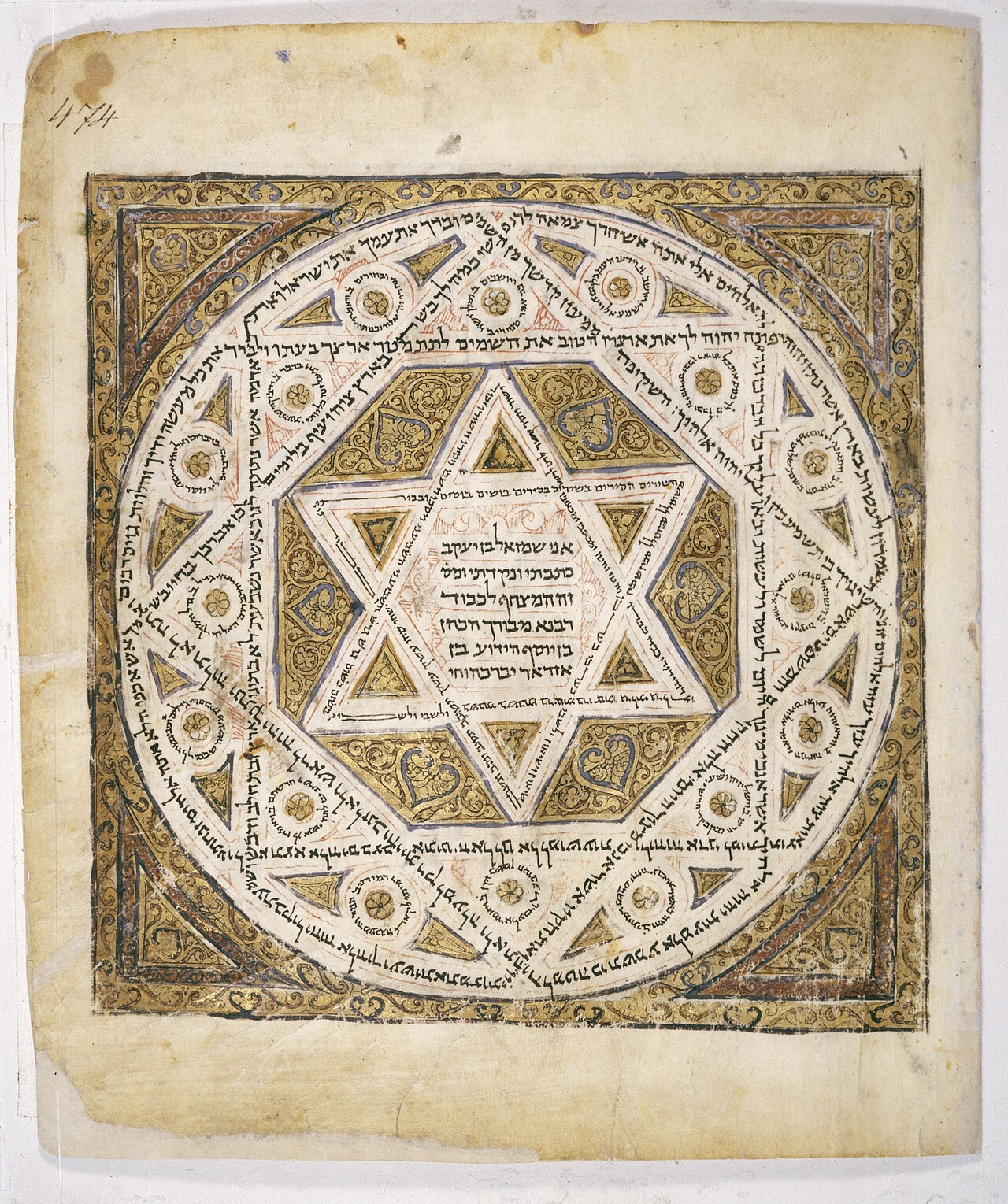
Joshua 21:36–37 lists four towns from Reuben: Bezer, Jahaz, Kedemoth and Mephaath. These verses are absent from the Leningrad Codex (1008) and the Aleppo Codex (c. 930), the two most authoritative Masoretic manuscripts. They are present in many other medieval Hebrew manuscripts, in printed Hebrew Bibles, in the Greek and the Latin, and the same four towns appear in the parallel list of 1 Chronicles 6:78–79 (Hebrew 6:63–64). Without them, the Merarites' total of twelve towns, and the overall forty-eight, do not add up.
The library's Hebrew (the Westminster Leningrad Codex edition) includes the verses with a marker noting that they are not in the Leningrad manuscript. This is a real manuscript difference, not a gap in the site's data. Most scholars think the verses fell out of one branch of the Masoretic tradition by accident and should be restored; the SBL's critical edition project discusses the case. Some English Bibles include them without comment; others add a note.
Levitical towns in history
1 Chronicles 6 gives a similar list with some differences. Scholars debate whether the list reflects an early ideal, an arrangement of the united monarchy (William F. Albright, Benjamin Mazar), or a later program. Several of the towns are known sites; a few are uncertain.
The Case for the Biblical Account
Scripture's account
Forty-eight Levitical towns are assigned (Joshua 21).
What evidence would we expect?
Consistent lists in Joshua and Chronicles; identifiable towns.
The discoveries
1 Chronicles 6's parallel list; the absence of 21:36–37 in the Leningrad and Aleppo codices and its presence elsewhere.
Testing the discoveries
The arithmetic of the chapter requires the four towns; the parallel in Chronicles supports them.
The strongest reconstruction
Verses 36–37 belong to the text and were lost in part of the Masoretic tradition.
What remains possible
The historical period of the Levitical-town system.
What the evidence shows
- Joshua 21:36–37 is absent from the Leningrad and Aleppo codices. Marked in the library's Hebrew edition.Source: Society of Biblical Literature, The Hebrew Bible: A Critical Edition (prospectus, discussing Joshua 21:36–37) ↗
- The verses are present in other medieval Hebrew manuscripts.Source: Masoretica: medieval Hebrew manuscripts of Joshua 21:37 ↗
- The verses are original and were accidentally lost.
- "There failed not ought of any good thing which the LORD had spoken."
Continue the journey
Journey of a PassageJoshua 21:36–37: Two verses missing from the oldest Hebrew codicesFour Levitical towns of Reuben, Bezer, Jahaz, Kedemoth and Mephaath, are listed in most Bibles but are absent from the Leningrad and Aleppo codices.More from this lesson
Why this matters to the rest of Scripture
- Forty-eight towns commanded.
- The parallel list.
- Levi "scattered in Israel."
- "There hath not failed one word of all his good promise."