Era 9 · RestorationEcclesiastes
How Ecclesiastes Came to Us
From a sage's voice to Qumran, Greek, Latin, the Masoretes and your screen
No autograph of Ecclesiastes survives, and no ancient source names its author. What survives is the book, two fragments from the 2nd and 1st centuries BC, translations from the following centuries, and complete Hebrew manuscripts from the 10th and 11th centuries AD.
"Of making many books there is no end" (12:12). This is the story of one of them.
Then and Later
Ecclesiastes through time
- 2nd millennium BCAncient wisdom Gilgamesh (Siduri's advice; the three-ply rope), Egyptian harpers' songs and instructions: themes Ecclesiastes shares.
- c. 10th century BCSolomon The king whose voice the book adopts (1 Kings 3–11).
- c. 450–250 BC (debated)Composition Most scholars date the Hebrew to the Persian or early Hellenistic period; tradition, to Solomon.
- Mid-2nd century BC4Q109 The oldest surviving copy (reported), from Qumran Cave 4.
- 1st century AD (debated)Mishnah debates; Greek Shammai and Hillel dispute its sanctity; a literal Greek translation in Aquila's style.
- c. AD 388–398Jerome Commentary on Ecclesiastes, then the Vulgate from Hebrew.
- c. 930 and 1008Aleppo and Leningrad Codices Masoretic codices. The Aleppo Codex's pages for Ecclesiastes are among those lost since 1947; the Leningrad Codex is the oldest complete witness.
- 1611King James Version "Vanity of vanities" enters English.
- 1952–2000Qumran published 4Q109 and 4Q110 found and edited (DJD XVI).
- 2019Göttingen Greek Critical edition of Greek Ecclesiastes (P. J. Gentry).
Stage 1. Ancient wisdom about life and death
Long before Ecclesiastes, peoples of the Near East reflected on death, desire, labor and justice. The Old Babylonian Siduri passage (Gilgamesh) and the Sumerian three-ply-rope proverb are the closest parallels; Egyptian harpers' songs urge enjoyment before death. These show a shared tradition, not a documented source.
Stage 2. The royal voice
The book speaks as "son of David, king in Jerusalem." Jewish and Christian tradition read it as Solomon's. Its late Hebrew (relative she-, Aramaic features, Persian loanwords pardes and pitgam) leads most scholars to read the royal voice as a literary persona adopted by a later sage. Faith readers may hold either view; the historical evidence is set out in "Who Was Qoheleth?"
Stage 3. Composition and framing
The book combines first-person reports, proverbs, poems (1:4–11; 3:1–8; 12:1–7), seven calls to enjoyment and a third-person frame (1:1–2; 7:27; 12:8–14). Models: one author with a frame narrator; an author plus one or more editors. No manuscript shows an earlier form without the frame.
Stage 4. Qumran
Two Hebrew fragments: 4Q109 (4QQoh-a), mid-2nd century BC by palaeography, reported to preserve parts of 5:13–17; 6:1?, 3–8, 12; 7:1–10, 19–20; and 4Q110 (4QQoh-b), reported to preserve parts of 1:10–15. They show a text close to the Masoretic Text. Exact readings and dates are a C check (EC-C03).
Stage 5. Greek
Greek Ecclesiastes is very literal, in the style of Aquila (c. AD 130); its exact origin is debated. It differs meaningfully from the Hebrew in a few places (1:1; 2:25; 5:6; 8:10; 8:12; 11:9). The library's Greek is Giguet's French (D check); C checks use Gentry's Göttingen edition.
Stage 6. Syriac, Aramaic and Latin
The Syriac Peshitta translates from Hebrew, with some readings shared with the Greek (e.g. 2:25, reported). The Targum of Qoheleth (probably early medieval in its present form) is an expansive Aramaic paraphrase that reads the book as Solomon's prophecy and adds teaching on repentance, judgment and the world to come. Jerome's Commentary (c. 388) and Vulgate (c. 398) work from Hebrew; the Vulgate sometimes moralizes (1:15; 5:1; 7:18). None of these is treated here as a lost Hebrew reading without argument.
Stage 7. Masoretes and codices
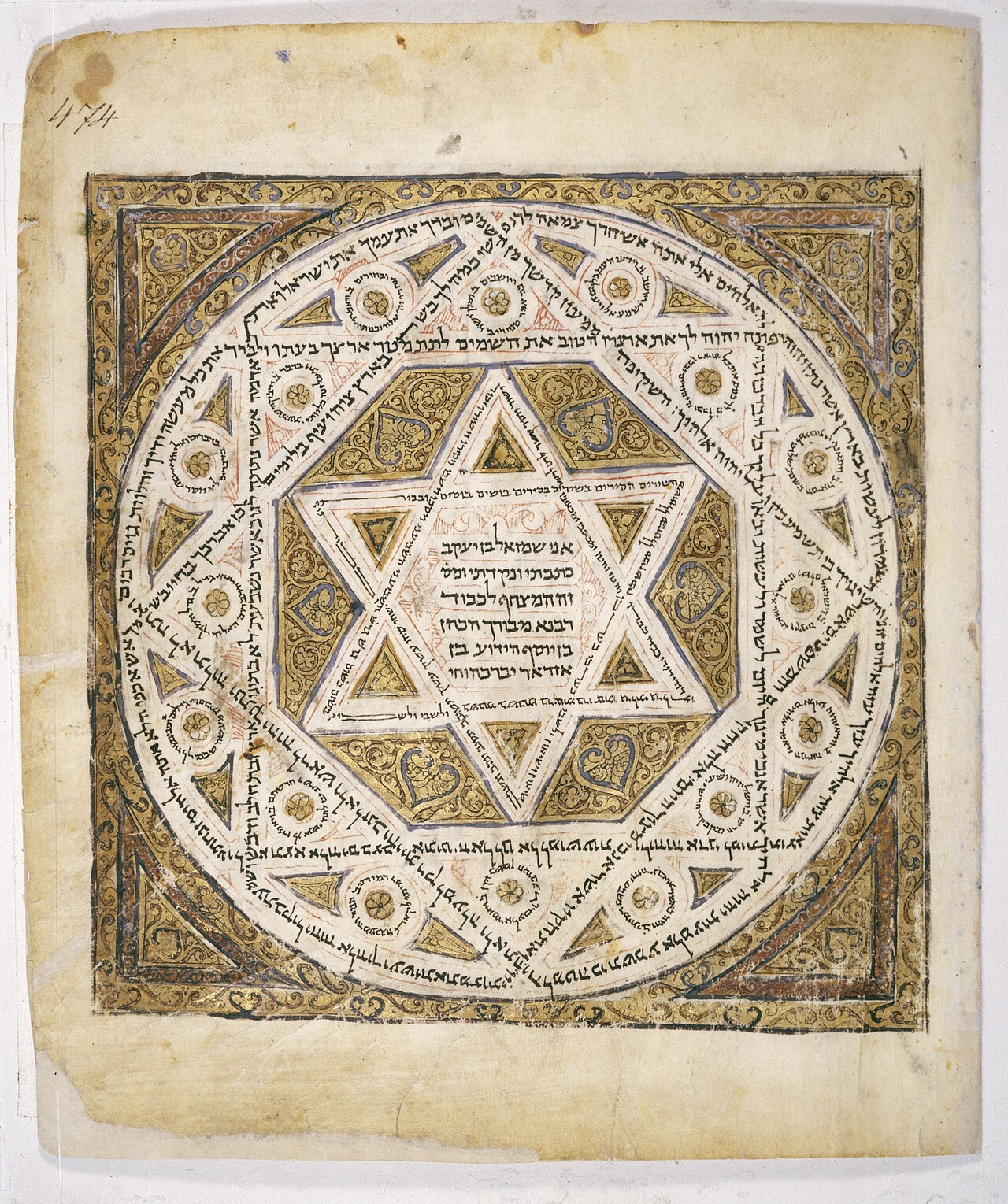
The Masoretes (7th–10th centuries AD) fixed vowels, accents and reading notes; the Leningrad Codex has twelve ketiv/qere notes in Ecclesiastes (listed in the chapter lessons). The Aleppo Codex (c. 930) once contained the book, but its leaves for Ecclesiastes are among those lost since 1947, so the Leningrad Codex (1008) is the oldest complete Hebrew witness. The library's Hebrew is the Westminster Leningrad Codex. A medieval manuscript can faithfully transmit a much older text; age alone neither proves nor disproves accuracy.
Stage 8. Canon and liturgy
Mishnah Yadayim 3:5 and Shabbat 30b record debates and the decision to keep the book. It stands among the Five Scrolls, read at Sukkot. Christian Bibles place it after Proverbs. It is distinct from Ecclesiasticus (Sirach).
Stage 9. Printing, translation and modern study
Printed Hebrew Bibles (Soncino 1488; Bomberg Rabbinic Bibles 1517 and 1524–25), Luther's Prediger (1534), the KJV (1611). Modern study added comparative literature, linguistic dating and the Qumran finds, and continues to debate hevel, the frame narrator, 3:11, 7:16, 7:28 and 12:13–14.
Open questions
The author; the date of composition; the relationship of 4Q109 and 4Q110 to the Masoretic Text in detail; the identity of the Greek translator; the sources of particular parallels; whether the royal voice is pure fiction or draws on older Solomonic tradition; the history of the epilogue. None is a reason to hide the evidence or to declare the book unreliable.
Open checks (C)
EC-C03 Qumran fragments against DJD XVI and images; EC-C04 Greek against the Göttingen edition; EC-C06 Hebrew variants (2:25; 8:10; 8:12; 11:5) against critical apparatus; EC-C08 Gilgamesh and Sumerian parallels against A. R. George; and the rest of the register in the master index. Until they close, the volume is built, not research-certified.
What the evidence shows
- The oldest surviving copy of Ecclesiastes is 4Q109 (mid-2nd century BC). Reported; C check.Source: E. Ulrich et al., Qumran Cave 4.XI: Psalms to Chronicles (DJD XVI, 2000)
- The Leningrad Codex has twelve ketiv/qere notes in Ecclesiastes.Source: The site's library: Westminster Leningrad Codex, KJV, Clementine Vulgate, Giguet's French of the Greek
- Greek Ecclesiastes was translated in the 3rd century BC. Its style points to the 1st–2nd century AD.
- Ecclesiastes was written by Solomon.
Continue the journey
Connected elsewhere in ScriptureSolomon Asks for Wisdom1 Kings 3–11: Solomon, the royal voice.More from this lesson
Why this matters to the rest of Scripture
- Solomon, the royal voice.
- Scribes collecting wisdom: "the men of Hezekiah… copied out."
- The book's own account of how a sage's words were weighed, arranged and handed on.