Era 6 · The First KingsSong of Songs
Investigation: Geography as Poetry
En-gedi, Lebanon, Hermon, Gilead, Tirzah, Carmel, Heshbon and Damascus
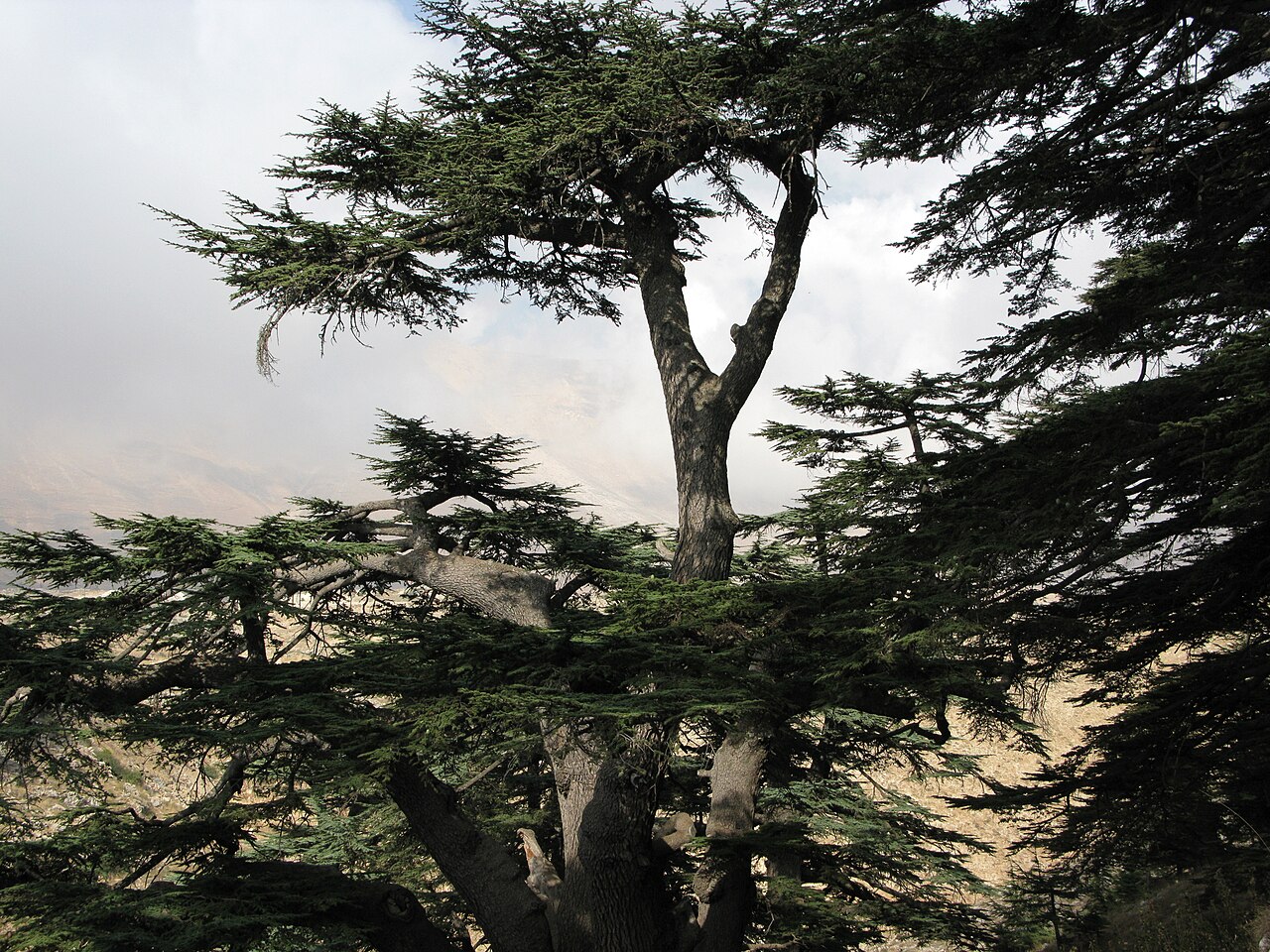
"Come with me from Lebanon, my spouse… look from the top of Amana, from the top of Shenir and Hermon" (4:8). The Song's lovers range in imagination from the Dead Sea to Damascus.
| Name | Reference | Identification | Atlas |
|---|---|---|---|
| En-gedi | 1:14 | Spring oasis on the Dead Sea's west shore | Secure |
| Sharon | 2:1 | Coastal plain north of Jaffa | Region |
| Gilead | 4:1; 6:5 | Hill country east of the Jordan | Region |
| Lebanon | 3:9; 4:8, 11, 15; 5:15; 7:4 | The Lebanon mountain range | Region |
| Hermon / Senir | 4:8 | Mount Hermon (Senir its Amorite name) | Secure |
| Amana | 4:8 | Probably a peak or river of the Anti-Lebanon (2 Kings 5:12 qere) | Not pinned |
| Tirzah | 6:4 | Tell el-Far'ah (North) | Secure |
| Jerusalem | Throughout | The city | Secure |
| Mahanaim | 6:13 | "Two camps": a dance, or the Gilead town (uncertain location) | Association disputed |
| Heshbon, Bath-rabbim | 7:4 | Tell Hesban, Jordan; Bath-rabbim unknown (a gate?) | Heshbon secure |
| Damascus | 7:4 | The Aramean capital | Secure |
| Carmel | 7:5 | Mount Carmel ridge | Secure |
| Shunem | 6:13 (by association) | Modern Sulam | Association disputed |
| Kedar | 1:5 | Arabian tribal confederation | Region, approximate |
| Bether | 2:17 | Unknown (place? "cleft"?) | Not pinned |
| Baal-hamon | 8:11 | Unknown | Not pinned |
Geography and dating
The pairing of Tirzah with Jerusalem (6:4) has been used to date the poem to the 10th–9th century, when Tirzah was a capital. The northern mountains (Lebanon, Hermon) and Transjordan (Gilead, Heshbon) have suggested a northern or Transjordanian setting for some poems. Neither argument is decisive: poets use famous names long after their heyday.
The wilderness and the garden
Twice someone "cometh up from the wilderness" (3:6; 8:5): the Judean desert east of Jerusalem, a place of smoke, heat and danger, against which the gardens, vineyards and orchards of the Song look all the richer. The poem's landscape moves between wild places (mountains with lions and leopards, the wilderness) and cultivated ones (vineyards, nut orchards, the locked garden).
En-gedi's gardens in archaeology
Excavations at Tel Goren above the En-gedi springs (B. Mazar and others, 1960s) found a late Iron Age settlement (7th–6th centuries BC) with installations the excavators interpreted as part of a perfume or balsam industry; later periods made En-gedi famous for balsam and dates (Josephus; the En-gedi synagogue inscription warns villagers not to reveal "the town's secret," often taken to mean the balsam process). The Song mentions only henna "in the vineyards of En-gedi" (1:14). The finds illustrate why the place stood for fragrance; they do not date the Song.
Why these places?
Most of the Song's place names lie at the edges of Israel's world: the snowy north (Lebanon, Hermon), Transjordan (Gilead, Heshbon), the Arabian desert (Kedar), the Aramean capital (Damascus), the Dead Sea oasis (En-gedi). They are places of height, distance, luxury and wildness. Combined with Jerusalem and Tirzah, they give the beloved a whole land's worth of beauty. This is poetic geography, and the site's Atlas marks each with the confidence the evidence allows.
What the evidence shows
- Tirzah is identified with Tell el-Far'ah (North).
- Baal-hamon, Bether and Amana can be precisely located.
Continue the journey
Journey of a PassageSong of Songs 2:15–17: Little foxes, mutual belonging and the mountains of Bether"Take us the foxes, the little foxes, that spoil the vines" (v.More from this lesson
Why this matters to the rest of Scripture
- Hermon, called Senir by the Amorites.
- Omri moves the capital from Tirzah to Samaria.
- Heshbon.