Era 6 · The First KingsSong of Songs
Investigation: The Garden and Its Fragrances
Nard, myrrh, henna, saffron, cinnamon, pomegranates and the trade that brought them
"Spikenard and saffron; calamus and cinnamon, with all trees of frankincense; myrrh and aloes, with all the chief spices" (4:14). No garden in Israel grew all of these. Some came by camel caravan up the incense road from South Arabia; some by sea from India; some from the gardens of Egypt. They were the luxuries of kings, temples and the rich.
| Hebrew | Usual identification | Origin | Confidence |
|---|---|---|---|
| nerd (1:12; 4:13–14) | Spikenard (Nardostachys jatamansi) | Himalayas, by trade through India | High |
| mor (1:13; 4:6, 14; 5:1, 5, 13) | Myrrh (Commiphora resin) | South Arabia, Somalia | High |
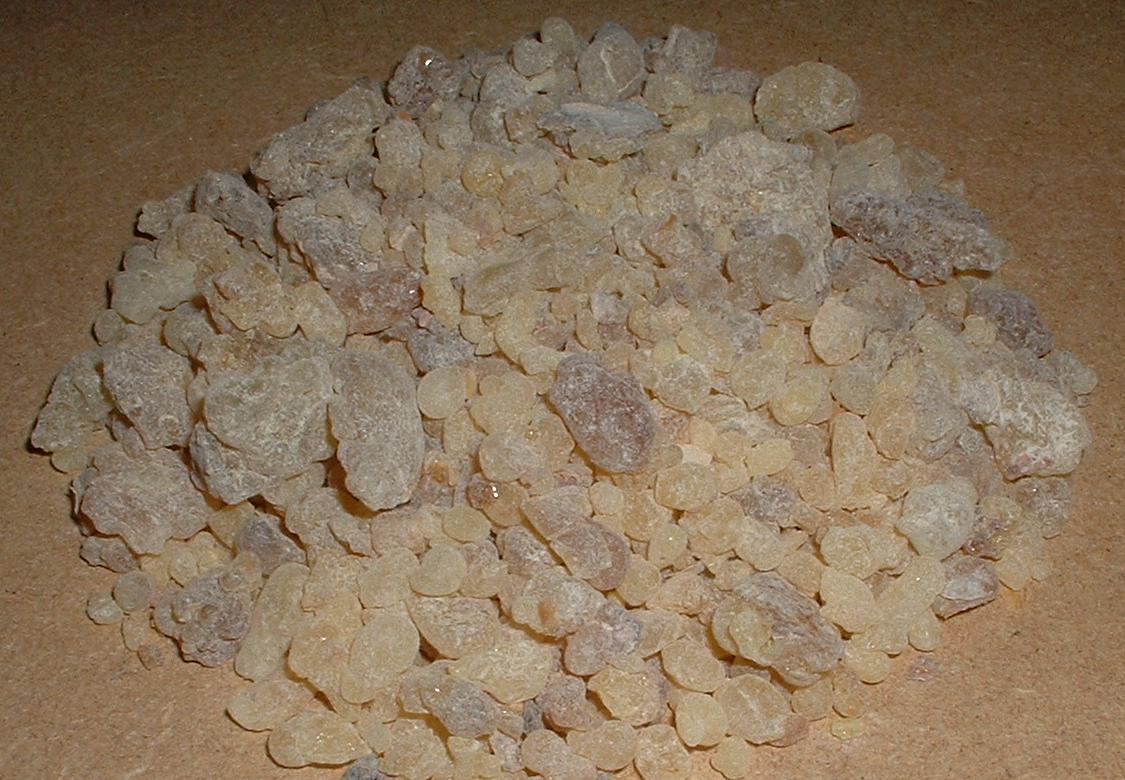
| levonah (3:6; 4:6, 14) | Frankincense (Boswellia resin) | South Arabia, Somalia | High |
| kofer (1:14; 4:13) | Henna (Lawsonia inermis) | Grown in warm places such as En-gedi | High |
| karkom (4:14) | Saffron (Crocus sativus) | Cultivated crocus | Medium |
| qaneh (4:14) | Calamus or aromatic cane | India or Arabia | Medium |
| qinnamon (4:14) | Cinnamon or cassia bark | South or Southeast Asia | Medium |
| ahalot (4:14) | Aloes-wood (eaglewood), not the aloe plant | India, Southeast Asia | Medium |
| rimmon (4:3, 13; 6:7, 11; 7:12; 8:2) | Pomegranate | Native | High |
| tappuach (2:3, 5; 7:8; 8:5) | "Apple": apricot, quince, citron or apple? | Uncertain | Low |
| shoshannah (2:1–2, 16; 4:5; 5:13; 6:2–3; 7:2) | Lily, lotus, or another bright flower | Native or Egyptian name | Low |
| chavatstselet (2:1) | "Rose" of Sharon: crocus, narcissus, asphodel, sea daffodil? | Native | Low |
| duda'im (7:13) | Mandrake (Mandragora officinarum) | Native | Medium |
| egoz (6:11) | Walnut (or nut trees generally) | Cultivated | Medium |
The incense road
Frankincense and myrrh came from South Arabia (modern Yemen and Oman) and the Horn of Africa, carried north by camel caravans through Arabia to Gaza and Damascus; Sheba's queen brought "spices very great store" (1 Kings 10:2, 10). Indian goods (nard, cinnamon, calamus, aloes) arrived through Arabian and Red Sea trade. Archaeology confirms the trade: incense altars and burners across Israel and Judah, South Arabian inscriptions found in Jerusalem, and the Nabataean caravan cities of the later period.
Using plants carefully
Ancient plant names do not map neatly onto modern botany. A word can name several plants, or change meaning over time. The site gives the usual identification and a confidence level; English Bible names ("rose," "apple") are traditional, not botanical. Material finds (perfume juglets, incense altars) illustrate how such goods were used; they never show what these particular lovers used (S-C09).
Perfume in daily and royal life
Perfumed oils were used for hospitality (Psalm 23:5; Luke 7:46), festivals (Amos 6:6), burial (2 Chronicles 16:14; John 19:39–40) and love (Proverbs 7:17; Esther 2:12, where each young woman had twelve months of myrrh and spices). Small juglets and alabaster flasks for perfume are common finds; the temple incense and anointing oil (Exodus 30:22–38) used the same costly ingredients and were forbidden for private use. The Song's lovers live in a world where such luxuries signaled celebration, status and desire.
The garden as a symbol
Gardens in the ancient Near East were royal and divine spaces (Eden, "the garden of God," Ezekiel 28:13; Assyrian and Persian royal parks). Calling the beloved a garden places her in that tradition: a cultivated paradise, enclosed, watered, full of rare fruit. Many readers hear Eden behind the Song: a man and a woman, a garden, delight without shame (Genesis 2:25). The Song does not cite Genesis, but the canonical echo is strong.
What the evidence shows
- The "rose of Sharon" and "apple" of the Song are uncertainly identified.
- Spikenard, cinnamon, calamus and aloes-wood reached Israel by long-distance trade.
- Excavated perfume vessels show what the lovers of the Song used. They illustrate the culture, not the poem's characters.
Continue the journey
Journey of a PassageSong of Songs 2:1–3: The "rose of Sharon" and the lily"I am the rose of Sharon, and the lily of the valleys": the woman speaks of herself (the next verse answers her with a feminine address).More from this lesson
Why this matters to the rest of Scripture
- The holy anointing oil: myrrh, cinnamon, calamus, cassia.
- The queen of Sheba's spices.
- Matthew 2:11; Mark 14:3; John 19:39Frankincense, myrrh, nard and aloes in the Gospels.