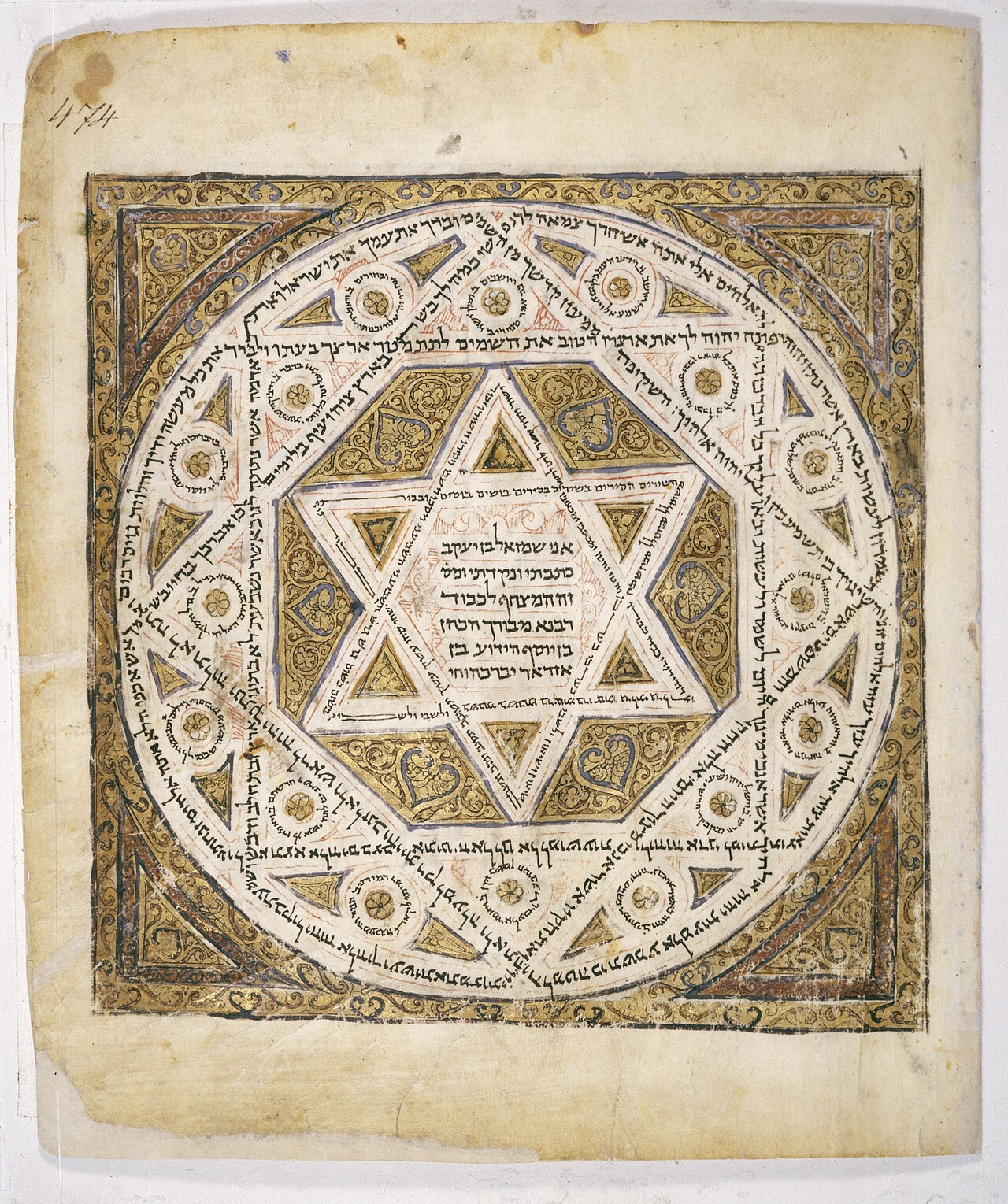
Era 6 · The First KingsProverbs
How Proverbs Came to Us
From sayings at the gate to collections, scrolls, translations and the screen
No autograph of any proverb survives, and no excavated text quotes a line of Proverbs from the time of the kings. What survives is the book itself, with its own headings recording its growth, and copies and translations from the last centuries BC onward.
"The words of the wise are as goads, and as nails fastened by the masters of assemblies" (Ecclesiastes 12:11): the later wisdom book's description of how sayings were collected and handed on.
A. Oral wisdom and written collections
Short sayings circulate orally; some proverbs in the book are probably much older than their written collection, others composed as literature. Their age cannot be read from their chapter number. The two-line form, sound-play and catchword links (see chapters 10–15) suit memorization.
B. The headings as evidence
1:1; 10:1; 22:17; 24:23; 25:1; 30:1; 31:1 (and the unheaded 31:10–31) show a book made of collections. This is internal evidence, not a modern hypothesis. 25:1 places one collection's editing in Hezekiah's reign (c. 700 BC). It does not date the whole. See Who Actually Wrote Proverbs?
C. Egypt and the international wisdom tradition
22:17–23:11 adapts the Egyptian Instruction of Amenemope; other sayings have Egyptian, Mesopotamian (Shuruppak, Counsels of Wisdom) and Aramaic (Ahiqar) parallels. Israel's sages read and adapted international wisdom, placing it under the LORD. See The Egyptian Scroll Behind the Hebrew Sayings?
D. Hebrew witnesses
Two small Qumran fragments are the oldest Hebrew copies: 4Q102 (4QProv-a, reported to preserve parts of 1:27–2:1) and 4Q103 (4QProv-b, reported to preserve parts of 13:6–9, 14:5–13, 14:31–35 and 15:1–8, 19–31), 1st century BC – 1st century AD. Their wording is close to the Masoretic Text. Exact ranges are a C check against DJD XVI. After them comes a long gap: the complete Hebrew text survives in the Aleppo Codex (c. 930; Proverbs intact) and the Leningrad Codex (1008), the basis of the library's WLC. Proverbs is one of the three books (with Psalms and Job) written with a special system of poetic accents. The Masoretes counted its 915 verses and marked 16:17 as the middle (reported). Critical edition: BHS (1977), and M. V. Fox's eclectic edition in the Hebrew Bible: A Critical Edition series (2015), which reconstructs a text from Hebrew and versional evidence.
E. Greek
The Old Greek Proverbs (probably 2nd century BC, Alexandria) has a different order for 24:23–31:31, many additions and some omissions, and a free, literary style. The New Testament quotes it (Hebrews 12:5–6; James 4:6; 1 Peter 4:18; 2 Corinthians 9:7). Later Jewish Greek revisers (Aquila, Symmachus, Theodotion) brought it closer to the Hebrew. No Göttingen critical edition is yet published. The library's Greek (Giguet's French) stores the Greek order in Hebrew slots, with duplications and a gap at 31:27–31 in the digital file. See Two Proverbs, Greek and Hebrew.
F. Latin, Syriac, Aramaic
Jerome translated Proverbs, Ecclesiastes and the Song of Songs from Hebrew in 398, saying in his preface that he did it in three days while recovering from illness; this is the Vulgate's Proverbs, which also carries some lines from the Greek (for example at 18:8). The Syriac Peshitta Proverbs shows influence from the Greek. The Aramaic Targum of Proverbs is closely related to the Peshitta, unusually for a Targum, and is generally thought to depend on it. Coptic, Ethiopic, Armenian and Slavonic versions follow the Greek.
G. Canon and controversy
Proverbs is in the Writings (Ketuvim), usually after Psalms and Job ("the three poetic books") and before Ruth in many Hebrew orders. The Talmud (Shabbat 30b) reports that some sages wanted to "hide" (withdraw) Proverbs because of its internal contradictions (26:4–5); Avot de-Rabbi Nathan says Proverbs, Song and Ecclesiastes were once hidden until the men of Hezekiah interpreted them. These reports show debate about interpretation, not that the book was ever outside Jewish Scripture in practice. In Christian Bibles it stands among the wisdom books after Psalms.
H. Reception
Rabbinic interpretation read Woman Wisdom as Torah and the strange woman as heresy; Proverbs became a source of ethical maxims (Pirke Avot quotes it). Christians read Wisdom through Christ, and 8:22 became central in the Arian controversy (see Was Wisdom Created?). Proverbs shaped European proverbial speech; Benjamin Franklin's Poor Richard and many common sayings echo it ("pride goes before a fall," "spare the rod"). Eshet Chayil is sung in Jewish homes every Friday night. Modern debates on child discipline, wealth and gender all return to it.
| Stage | Date | Evidence | Status |
|---|---|---|---|
| Individual sayings | Undatable; some perhaps from the monarchy | Form, parallels | Mostly unknown |
| Amenemope adapted (22:17–23:11) | After c. 1100 BC, probably monarchy | Literary parallel | Supported |
| Hezekiah collection edited | c. 715–686 BC (by 25:1's claim) | The book's heading | Documented claim |
| Prologue 1–9 and final arrangement | Persian period on many views; earlier on others | Style, themes | Debated |
| Old Greek translation | c. 2nd century BC | Greek manuscripts, NT quotations | Documented (date approximate) |
| Qumran fragments | 1st century BC – 1st century AD | 4Q102, 4Q103 | Documented (contents reported) |
| Jerome's Latin | AD 398 | Vulgate manuscripts; his preface | Documented |
| Masoretic codices | c. 930 (Aleppo); 1008 (Leningrad) | Codices | Documented |
I. What can be known, and what not
Known: a composite book with its own editorial headings; adaptation of Egyptian wisdom; an editorial stage under Hezekiah claimed by the text; a Greek translation with different order and many additions; fragmentary Hebrew copies from the 1st century BC – 1st century AD; complete medieval Hebrew codices. Debated: how much goes back to Solomon; the date of chapters 1–9; whether Greek differences reflect a different Hebrew. Unknown: any author's autograph; the identity of Hezekiah's men, Agur, Lemuel and the poet of 31:10–31; the route by which Amenemope reached Judah. Open source checks are listed in the master index (PV-C01–C05, PV3-C01–C02).
What the evidence shows
- Proverbs records its own composite origin in its headings.
- Two small Qumran fragments of Proverbs survive (4Q102, 4Q103). Contents reported; C check against DJD XVI.
- Jerome translated Proverbs, Ecclesiastes and the Song in three days (398). His own preface.
- The Targum of Proverbs depends on the Peshitta.
- Proverbs was excluded from the Jewish canon for a time. The Talmud reports debate, not exclusion.
Continue the journey
Journey of a PassageProverbs 25:1: "Copied out by the men of Hezekiah""These are also proverbs of Solomon, which the men of Hezekiah king of Judah copied out (he'tiqu)." The only editorial note in Proverbs that names a later king.More from this lesson
Why this matters to the rest of Scripture
- The Preacher "set in order many proverbs."
- The men of Hezekiah.
- Three thousand proverbs.