Era 6 · The First KingsProverbs
Investigation: Money, Credit, Justice and Vulnerable People
Surety, landmarks, scales, grain, interest, wages and kings
Israel was an agrarian society of villages and family land, with markets, merchants, royal taxes and creditors. A bad harvest could force a family to borrow seed or silver against its land, its clothes or its children (Nehemiah 5:1–5; 2 Kings 4:1). Proverbs speaks into that world.
| Topic | Proverbs | Law and prophets | Ancient Near East |
|---|---|---|---|
| Honest weights | 11:1; 16:11; 20:10, 23 | Leviticus 19:35–36; Deuteronomy 25:13–16; Amos 8:5 | Judahite stone weights; Amenemope ch. 16 |
| Surety (guaranteeing a debt) | 6:1–5; 11:15; 17:18; 20:16; 22:26–27; 27:13 | Genesis 43:9 | Mesopotamian guarantee contracts |
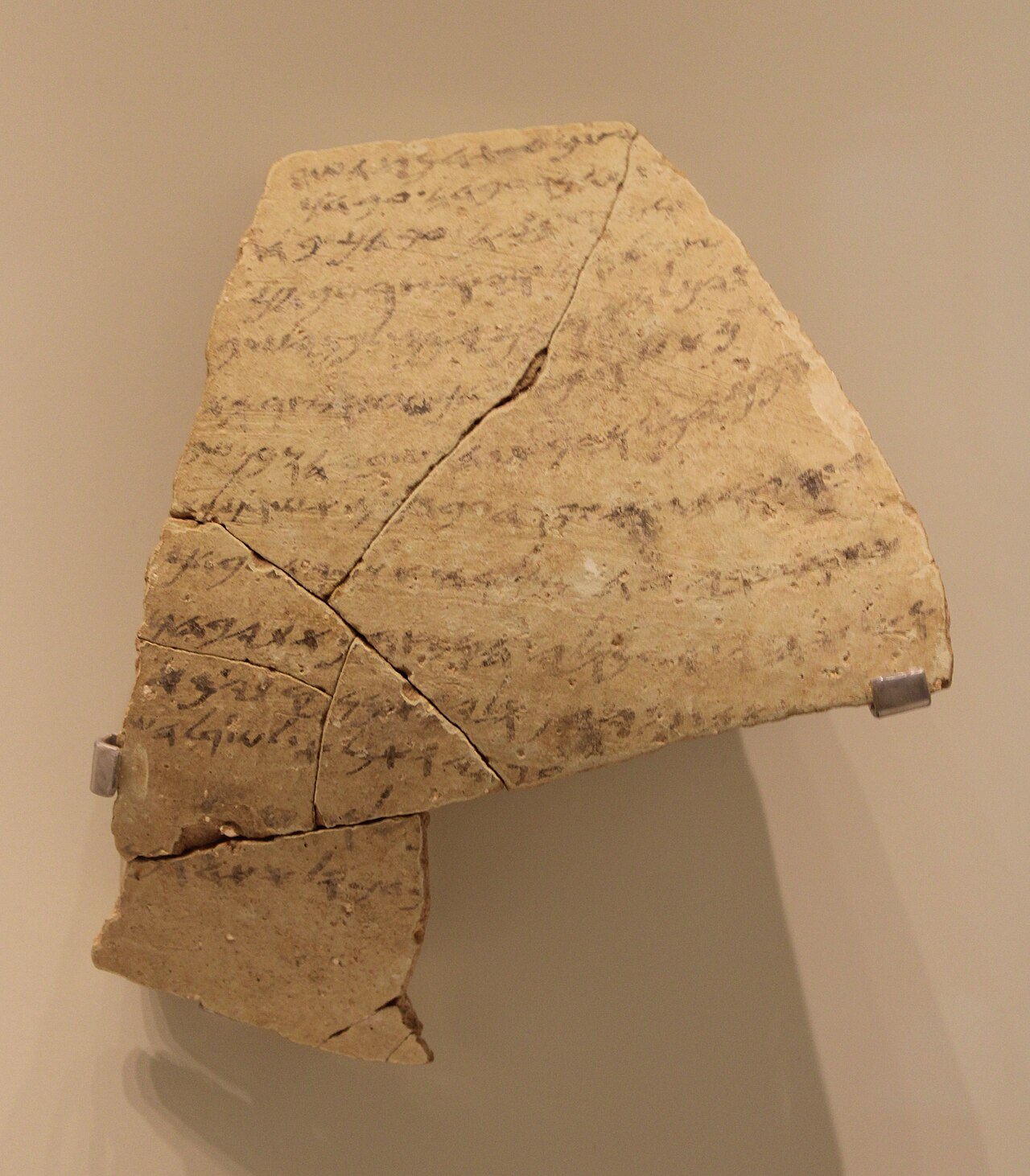
| Pledges | 20:16; 22:27 | Exodus 22:26–27 (return the cloak by night); Deuteronomy 24:6, 10–13 | Mesad Hashavyahu ostracon: a reaper's plea for his seized garment (7th century BC) |
| Interest | 28:8 | Exodus 22:25; Leviticus 25:35–37; Deuteronomy 23:19–20; Psalm 15:5 | Interest normal (Hammurabi's maximums about 20% silver, 33⅓% grain) |
| Boundary stones | 22:28; 23:10–11; 15:25 | Deuteronomy 19:14; 27:17; Hosea 5:10 | Babylonian kudurru curses; Amenemope ch. 6 |
| Grain in famine | 11:26 | Genesis 41–47 | State and private granaries |
| Bribes | 15:27; 17:23; 29:4 | Exodus 23:8; Deuteronomy 16:19 | Hammurabi §5 on judges |
| The king and the poor | 29:14; 31:8–9; 16:12 | Psalm 72; Jeremiah 22:15–16 | Hammurabi's prologue; Egyptian 'eloquent peasant' |
The Mesad Hashavyahu ostracon
A Hebrew letter on a potsherd from a coastal fort (c. 630 BC) records a harvest worker's petition to an official: his garment has been taken by an overseer, though he says he finished his quota; he asks for it back. It illustrates the pledged garment of Exodus 22:26–27 and Proverbs 20:16, and the vulnerability of workers. It does not mention Proverbs.
Ancient advice, modern finance
Proverbs' warnings about surety and its observation that "the borrower is servant to the lender" (22:7) were written for a world without limited liability, bankruptcy protection or regulated banking, where default could mean slavery. Its principles (prudence about debt, honesty, protecting the vulnerable, not exploiting need) translate; specific rules do not map directly onto mortgages, credit cards or modern interest. The site does not use Proverbs to endorse or condemn particular modern financial policies.
Structural concern
Several sayings look beyond individual virtue to systems: rulers who tax heavily ruin a land (29:4); a wicked ruler over the poor is a roaring lion (28:15); the poor man's field is swept away without justice (13:23); the king's throne stands on justice for the poor (29:14). Proverbs' economic ethic is personal and public.
What the evidence shows
- The Mesad Hashavyahu ostracon records a worker's plea for a seized garment.
- Torah limited pledges and forbade interest on loans to the poor.
- Proverbs prohibits modern credit.
Continue the journey
Journey of a PassageProverbs 11:1; 20:10, 23: "A false balance is abomination to the LORD""A false balance is abomination to the LORD: but a just weight is his delight." Honest weights are treated as a religious matter three times in Proverbs (11:1; 20:10, 23; compare 16:11).More from this lesson
Why this matters to the rest of Scripture
- Interest and the pledged cloak.
- Debt and servitude in Judah.
- False balances and the needy sold.