Era 6 · The First KingsProverbs
Proverbs 10: A Wise Son Maketh a Glad Father
The first Solomonic collection begins: two-line sayings about work, words and the righteous
"The proverbs of Solomon. A wise son maketh a glad father: but a foolish son is the heaviness of his mother" (10:1). The collection begins in the family, where all teaching in Proverbs begins.
"Treasures of wickedness profit nothing: but righteousness delivereth from death. The LORD will not suffer the soul of the righteous to famish… He becometh poor that dealeth with a slack hand: but the hand of the diligent maketh rich. He that gathereth in summer is a wise son: but he that sleepeth in harvest is a son that causeth shame" (10:2–5). Four sayings, four angles on wealth: ethics, God's care, effort, timing.
Most of the chapter is about words. "The mouth of a righteous man is a well of life" (v. 11). "Hatred stirreth up strifes: but love covereth all sins" (v. 12). "In the multitude of words there wanteth not sin: but he that refraineth his lips is wise" (v. 19). "The tongue of the just is as choice silver" (v. 20). "The lips of the righteous feed many" (v. 21).
"As the whirlwind passeth, so is the wicked no more: but the righteous is an everlasting foundation" (10:25).
How to read a two-line saying
Most sayings in 10:1–15:33 are antithetic: the second line turns the first around ("A wise son… but a foolish son…"). The contrast is not always exact. In 10:1 the wise son gladdens his father, the foolish son grieves his mother: the two parents are not a contrast but a pair, so the saying means both parents are affected either way. Reading the gap between the lines is part of the art.
Harvest and timing
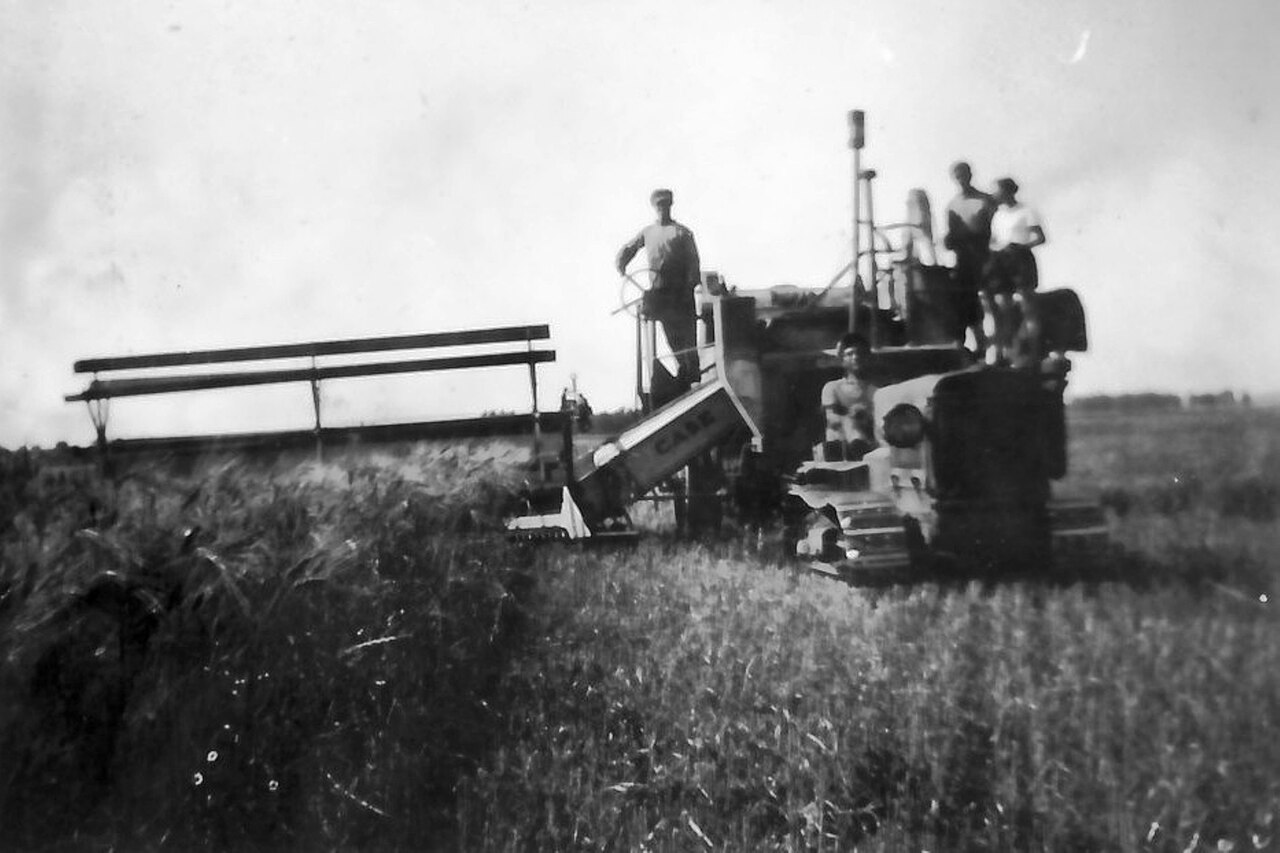
"He that gathereth in summer… he that sleepeth in harvest" (10:5). Grain was harvested in late spring and early summer (barley in April–May, wheat in May–June); fruit in late summer. The Gezer Calendar (10th century BC) lists the agricultural months. Missing the short window meant hunger for a year. The saying is about seizing the right moment as well as working.
| Verse | The saying | Form | What to notice |
|---|---|---|---|
| 10:1 | A wise son maketh a glad father | Antithetic | Heading "The proverbs of Solomon" begins the collection 10:1–22:16; father and mother share the joy and grief |
| 10:2 | Treasures of wickedness profit nothing | Antithetic | Same second line as 11:4: righteousness "delivereth from death" |
| 10:3 | The LORD will not suffer the righteous to famish | Antithetic | A general conviction about God's care, not a guarantee; see 13:23 and the investigation on wealth |
| 10:4 | He becometh poor that dealeth with a slack hand | Antithetic | Effort and outcome; Proverbs also knows poverty caused by injustice (13:23) |
| 10:5 | He that gathereth in summer is a wise son | Antithetic | Timing in the agricultural year |
| 10:6 | Blessings are upon the head of the just | Antithetic | "Violence covereth the mouth of the wicked" repeats in v. 11: catchword link |
| 10:7 | The memory of the just is blessed | Antithetic | Name and reputation outlive a person; "the name of the wicked shall rot" |
| 10:8 | The wise in heart will receive commandments | Antithetic | "A prating fool shall fall" (literally "the fool of lips"): repeated in v. 10 |
| 10:9 | He that walketh uprightly walketh surely | Antithetic | The crooked will "be known": found out |
| 10:10 | He that winketh with the eye causeth sorrow | Antithetic (repeated line) | The winking schemer of 6:13; the Greek has a different second line ("he who reproves boldly makes peace") |
| 10:11 | The mouth of a righteous man is a well of life | Antithetic | Water image for life-giving speech; compare 13:14; 18:4 |
| 10:12 | Hatred stirreth up strifes: but love covereth all sins | Antithetic | Quoted in 1 Peter 4:8 and echoed in James 5:20; "covers" = forgives, does not expose |
| 10:13 | In the lips of him that hath understanding wisdom is found | Antithetic | "A rod is for the back" of the senseless: physical punishment of fools; see the note on the rod at 13:24 |
| 10:14 | Wise men lay up knowledge | Antithetic | Storing knowledge like grain; the fool's mouth is "near destruction" |
| 10:15 | The rich man's wealth is his strong city | Antithetic | An observation, not approval: wealth protects, poverty ruins; 18:11 adds that the rich only imagine their wall high |
| 10:16 | The labour of the righteous tendeth to life | Antithetic | Wages (pe'ullah) lead to life or to sin |
| 10:17 | He is in the way of life that keepeth instruction | Antithetic | Accepting correction as the path of life |
| 10:18 | He that hideth hatred with lying lips… is a fool | Synthetic | Concealed hatred and open slander are both folly |
| 10:19 | In the multitude of words there wanteth not sin | Antithetic | Restraint in speech; compare James 1:19; 3:2 |
| 10:20 | The tongue of the just is as choice silver | Antithetic | Silver and the heart of the wicked "of little worth" |
| 10:21 | The lips of the righteous feed many | Antithetic | The verb ra'ah, "shepherd, feed": good words nourish a community |
| 10:22 | The blessing of the LORD, it maketh rich | Synthetic | "He addeth no sorrow with it" or "toil adds nothing to it"; the Hebrew allows both |
| 10:23 | It is as sport to a fool to do mischief | Antithetic | The fool enjoys wrongdoing as a game |
| 10:24 | The fear of the wicked, it shall come upon him | Antithetic | What one dreads or desires comes about |
| 10:25 | As the whirlwind passeth, so is the wicked no more | Antithetic | Storm and foundation; compare Jesus' house on the rock (Matthew 7:24–27) |
| 10:26 | As vinegar to the teeth, and as smoke to the eyes | Comparison | The lazy messenger irritates those who send him; vinegar (wine gone sour) set teeth on edge |
| 10:27 | The fear of the LORD prolongeth days | Antithetic | Long life as the general reward; Ecclesiastes 7:15 reports exceptions |
| 10:28 | The hope of the righteous shall be gladness | Antithetic | Hope versus mere expectation that perishes |
| 10:29 | The way of the LORD is strength to the upright | Antithetic | "The way of the LORD" is a refuge (ma'oz) for the upright, ruin for evildoers |
| 10:30 | The righteous shall never be removed | Antithetic | Staying in the land; compare 2:21–22 and Psalm 37 |
| 10:31 | The mouth of the just bringeth forth wisdom | Antithetic | The image is a tree bearing fruit; "the froward tongue shall be cut out" like a branch |
| 10:32 | The lips of the righteous know what is acceptable | Antithetic | Fitting speech; the chapter ends as it ran, on the mouth |
A new collection
10:1 repeats the name of Solomon, marking the start of the largest collection, 10:1–22:16. It contains 375 verses, and the numerical value of the consonants of the name Shelomoh (shin 300 + lamed 30 + mem 40 + he 5) is 375. Many scholars think this is deliberate (P. W. Skehan); others think it coincidence. The site checked the arithmetic and the verse count in the library's Hebrew (375 verses in 10:1–22:16, D check), but cannot show intention.
Grouping by catchwords
The sayings were not thrown together at random. Verses 6 and 11 share their second line ("violence covereth the mouth of the wicked"); verses 8 and 10 share theirs ("a prating fool shall fall"); vv. 18–21 all speak of lips and tongue. Scholars such as K. Heim and R. Van Leeuwen have traced clusters joined by sound and theme. Seeing a cluster changes how a saying reads: v. 22's "blessing of the LORD" answers vv. 2–5's talk of effort.
Love covers all sins (10:12)
1 Peter 4:8 quotes the second line ("charity shall cover the multitude of sins"), closer to the Hebrew than to the Greek, which reads "love covers all who do not love strife." James 5:20 echoes it. In the proverb, "covering" means forgiving and not stirring up old offences; compare 17:9.
In the library's Greek
Giguet's Greek of 10:1 has no heading "The proverbs of Solomon": the Greek begins the chapter directly with "The wise son gladdens his father." The heading is missing in the Old Greek (reported, C check). The Greek also differs at 10:10 ("he who reproves boldly makes peace"). Elsewhere in chapter 10 the library's Greek follows the Hebrew closely (D check).
What the evidence shows
- Proverbs 10:1–22:16 contains 375 verses in the library's Hebrew.Source: The site's library: Westminster Leningrad Codex, KJV, Clementine Vulgate, Giguet's French of the Greek
- The numerical value of the Hebrew name Shelomoh is 375.
- The collection was deliberately sized to 375 sayings to match Solomon's name. Proposed by P. W. Skehan; could be coincidence.
- 1 Peter 4:8 quotes Proverbs 10:12.
- The library's Greek lacks the heading of 10:1.Source: The site's library: Westminster Leningrad Codex, KJV, Clementine Vulgate, Giguet's French of the Greek
Continue the journey
Journey of a PassageProverbs 10:12: "Love covereth all sins" and 1 Peter 4:8"Hatred stirreth up strifes: but love covereth all sins." The Hebrew says love covers all transgressions (pesha'im).More from this lesson
Why this matters to the rest of Scripture
- "Charity shall cover the multitude of sins."
- The house on the rock and the storm.
- The power of the tongue.